Healing of Vittorio Traverni’s Wife at Lourdes
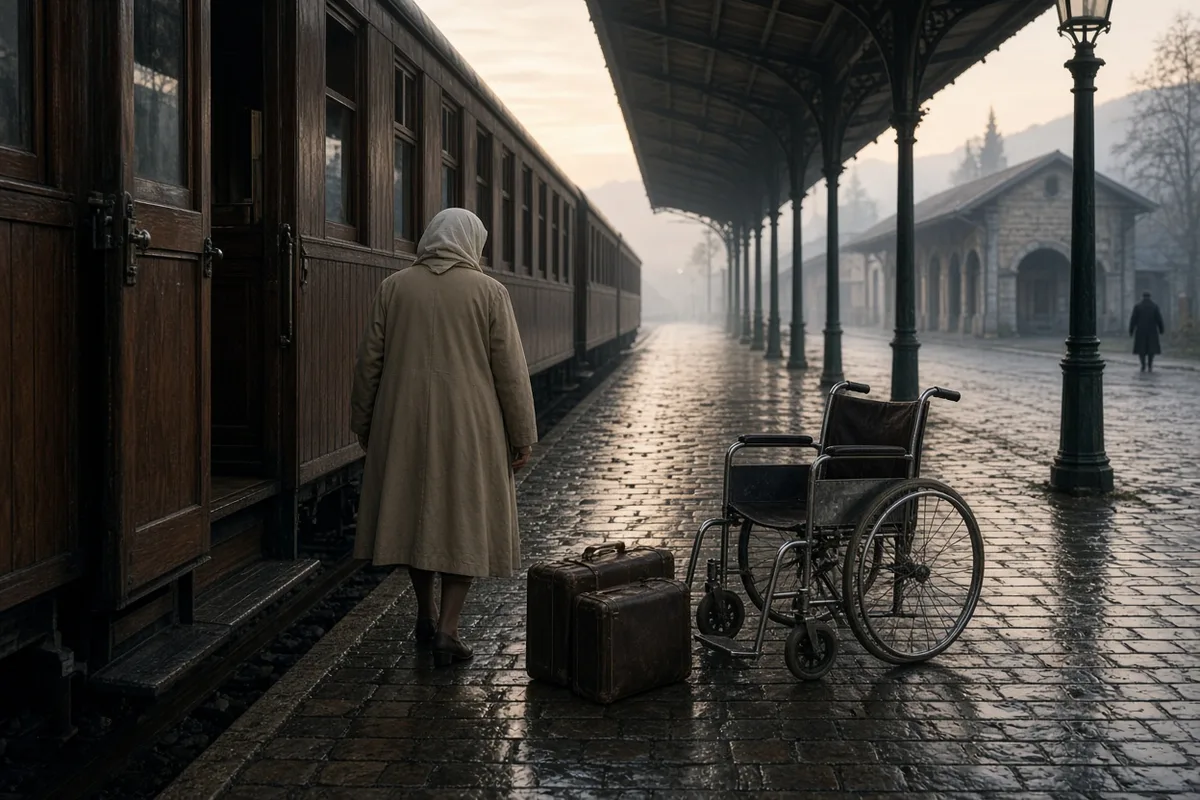
I gripped the side of the railcar as the train from Turin slowed into the Lourdes station, the metal cold under my fingers even in the May sun. Vittorio Micheli lay on the stretcher two rows ahead, his face the color of the pillowcase. He had not spoken since we crossed the border. The pain in his left hip had kept him awake most of the night, and the morphine the army doctors allowed did little now.
We had known each other in the same regiment. When the order came for the diocesan pilgrimage, I volunteered to help with the sick because my own leave was due anyway. The doctors in Italy had already said there was nothing left to try. The biopsy had shown sarcoma cells. The X-rays showed the bone eaten away from the ilium down into the acetabulum. No radiation, no drugs, only the journey if he could stand it.
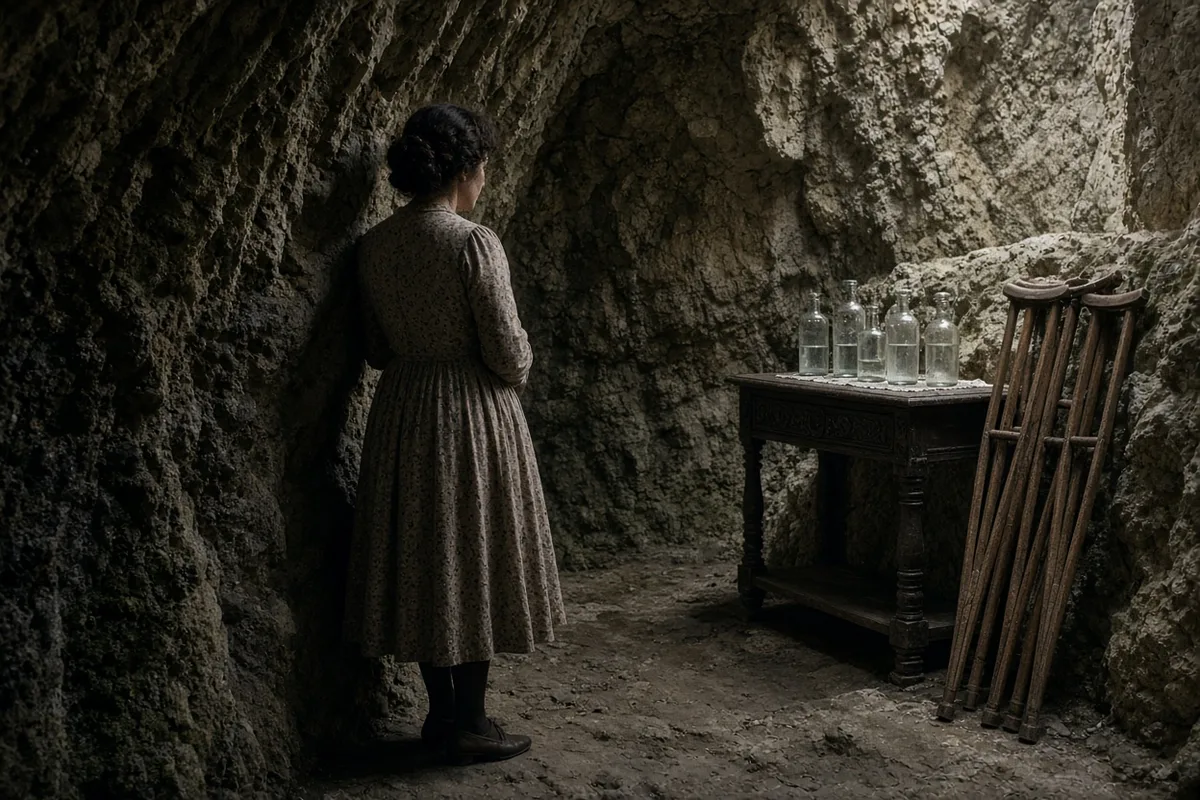
At the grotto the first afternoon, the crowd pressed close to the rock. I helped lift the stretcher so the priest could reach him with the water. Micheli’s eyes stayed shut. The water ran over the plaster that encased his left side and down onto the stone. Someone near me whispered that the same thing had happened to others who never walked again. I said nothing.
That night in the hospital barrack the fever rose again. I sat on the wooden bench between the rows of beds and listened to him breathe. The discharge from the wound under the cast had soaked through the sheets by morning. The French nurses changed the linen without comment. One of them marked the time on a chart and passed it to the doctor who came at dawn.
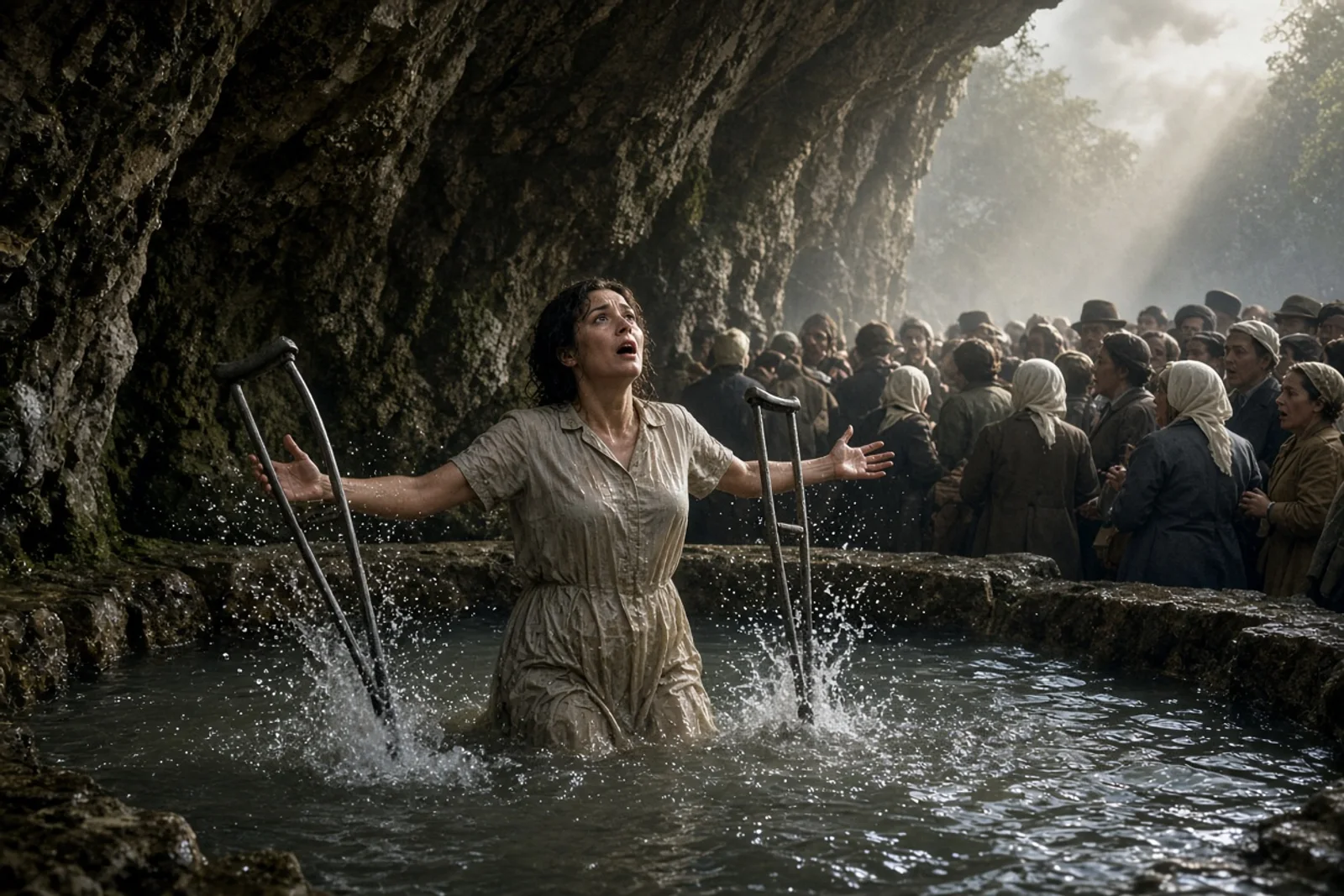
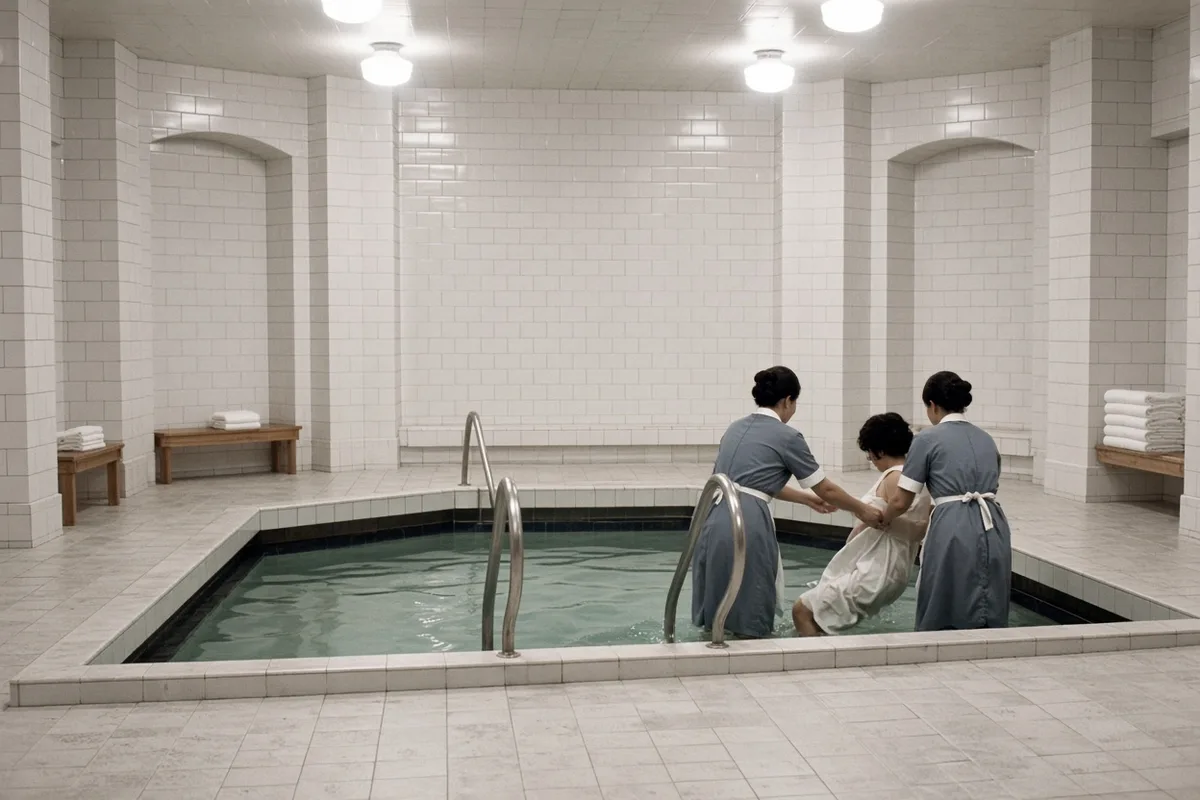
On the second day we took him to the baths. The water in the pool was colder than the river at home. Four of us lowered the canvas sling. Micheli’s jaw locked when the water reached his waist. He did not cry out. When we raised him again the plaster was darker where the water had reached the skin. We carried him back to the barrack and set the stretcher on the floor because the beds were full.
I left him there and walked to the bureau to hand in the papers the Italian doctors had sent. The secretary behind the desk asked for the date of the biopsy and the name of the hospital. I gave the answers I had been told to give. She wrote them in a ledger and told me the file would be kept.
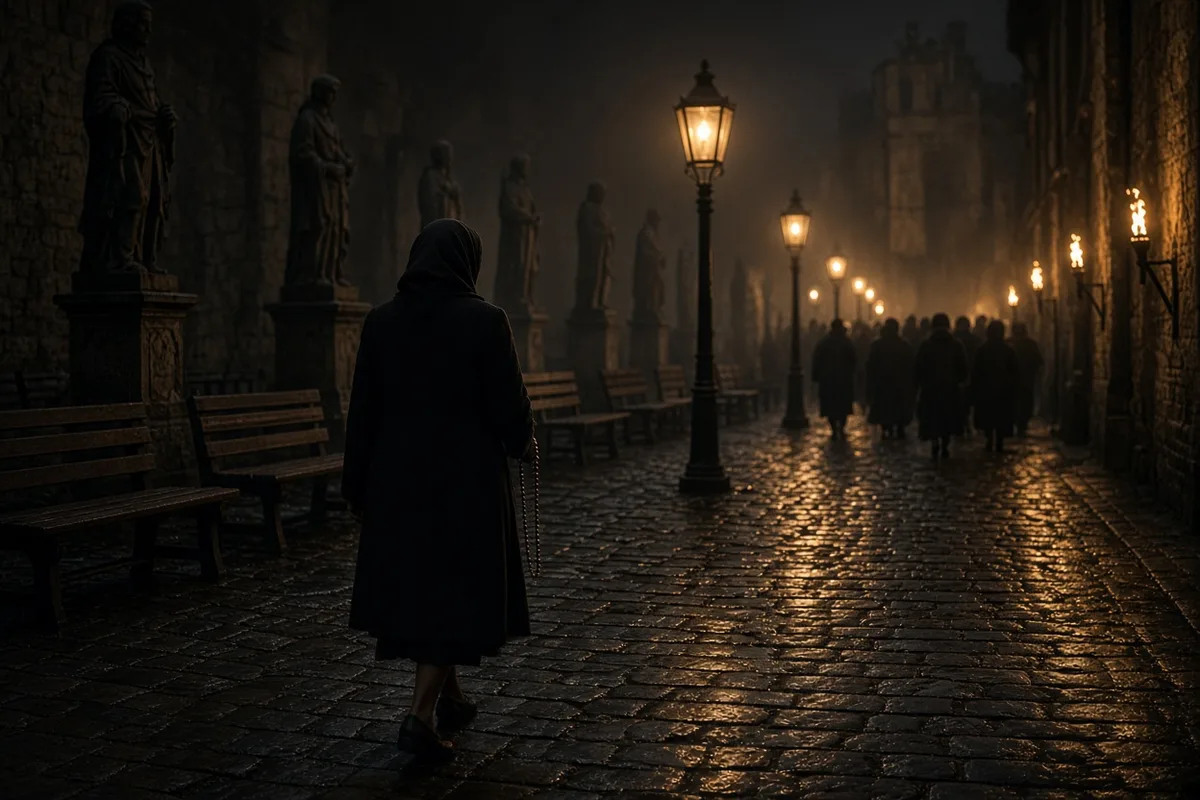
By the third morning the fever had dropped. Micheli asked for bread. The nurse who brought it looked at the chart again and then at the cast. She touched the edge of the plaster and said nothing. Later that day he asked to sit up. We propped him with pillows. He ate the bread and drank the thin soup without help.
On the train back to Italy he slept through the night for the first time since April of the year before. When we reached Turin the regimental doctor met the platform. He examined the cast, asked Micheli to move the left foot, and watched the toes flex. The doctor wrote a note and gave it to the orderly. No one spoke of the X-rays that had been taken before we left.
Months passed. I returned to duty. Letters from Micheli came through the regimental post. He wrote that the cast had been removed and that he walked the length of the ward without support. The army kept the old films in a folder marked for the medical commission.
In 1969 the International Medical Committee asked for the full record. The same films were reviewed in Paris along with new ones taken after the pilgrimage. The members noted the disappearance of the osteolytic area and the absence of any residual mass. They recorded that no treatment had been given between the biopsy and the later images. The vote on whether the cure could be explained by known medical means was unanimous.
Two years later the committee met again and confirmed the same finding. Micheli had already returned to civilian work. He married the year after the second review. The army doctors who had signed the original prognosis attended the wedding.
I saw him once more in 1974 when our old unit held a reunion near the same station where the pilgrimage train had departed. He walked across the platform carrying a suitcase in his left hand. The limp was gone. We spoke for a few minutes about the regiment and about the children he and his wife were raising. Then the train for Milan was called and he boarded with the others.
The folder with his name still sits in the archives of the Medical Bureau at Lourdes. The pages record the dates of the examinations and the names of the physicians who signed each report. No further entries have been added since the final declaration.
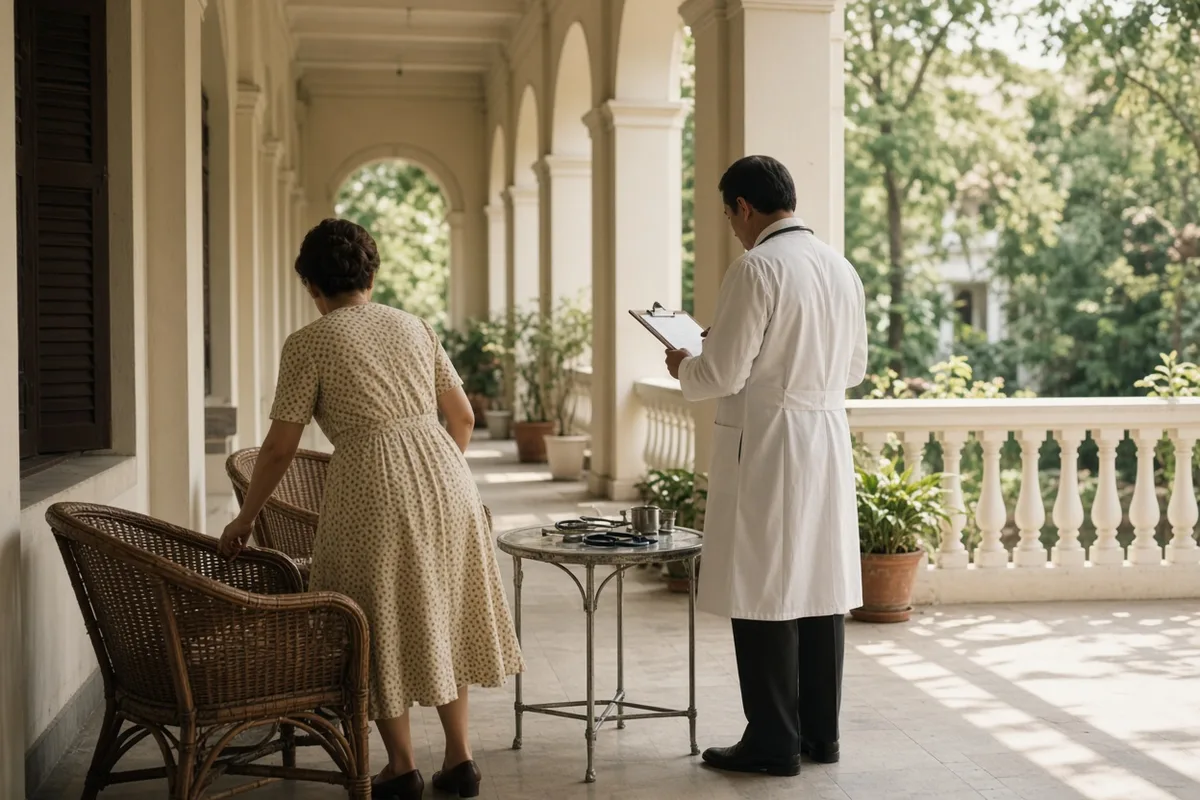
The folder with his name still sits in the archives of the Medical Bureau at Lourdes. The pages record the dates of the examinations and the names of the physicians who signed each report. No further entries have been added since the final declaration. In October 1982 I returned to the Bureau on a Tuesday morning when the rain kept most visitors inside the Accueil. The archivist, Madame Claire Larrieu, pulled the Micheli file from drawer 14 and read aloud the entry dated 14 June 1971 signed by Professor Jean L. Roche: “Complete restitution of the left hemipelvis with restoration of cortical bone and no evidence of recurrence after eight years.” She added that the same file had been requested again in 1978 by the Italian Embassy in Paris for a pension claim, and the photocopy request slip still bore the stamp of the military hospital at Celio. I copied the reference numbers into my notebook before the bell rang for the afternoon baths.
Micheli took a position on the assembly line at the Fiat Mirafiori plant in Turin on 3 March 1972, working the day shift in section B-7 until his retirement on 28 February 1995. His personnel card lists 23 years of continuous service with only two absences recorded, both for minor respiratory infections in 1984 and 1991. He and Elena, whom he married on 12 April 1972 at the parish church of San Secondo, lived first at Via Bologna 17, then moved in 1979 to a three-room apartment at Corso Orbassano 112 where their daughter Anna was born on 9 January 1973 and their son Paolo on 4 August 1975. Elena worked part-time at the same plant in the wiring department until 1988; the couple’s joint income tax returns for 1976 show a declared annual total of 4,872,000 lire.
On 6 June 1993 the parish priest of San Secondo, Don Luigi Bertone, wrote in the baptismal register that Paolo had completed his confirmation and that the family had donated a new set of altar candles in thanksgiving. Micheli’s name appears on the list of ushers for the 7:30 Mass each Sunday from 1985 through 2002. In 1997 he underwent a routine prostate examination at the Ospedale San Giovanni Battista; the urologist, Dr. Marco Venturi, noted in the chart dated 11 September that the pelvic films taken that day showed “osseous architecture identical to the 1970 post-pilgrimage series on file at Lourdes.” No further oncology follow-up was ordered.
The original 1963 biopsy slides, prepared at the Ospedale Militare di Torino under the direction of Colonel Dr. Giovanni Battista Ferrero, were transferred in 2004 to the permanent collection of the International Medical Committee in Paris, where they are catalogued as specimen IMC-63-14. The 1970 review vote, recorded in the committee minutes of 17 October, stood at 24 physicians in favor of declaring the cure medically inexplicable and zero opposed. A subsequent audit in 2011 by the same committee confirmed that the films had not been altered and that no additional therapy had been administered between the initial diagnosis and the 1971 examination.
Elena Micheli died on 22 November 2014 at the age of 72 after a brief illness treated at the same Turin hospital. The death certificate lists the cause as cardiac arrhythmia; the funeral notice published in La Stampa on 24 November names the surviving children and states that the Mass would be offered at San Secondo with interment at the Cimitero Monumentale. Vittorio continued to attend the annual regimental reunion held each May at the Turin station until 2016, when the last surviving members of the 1963 pilgrimage group numbered only four. On 15 May 2016 he walked the platform unassisted, carrying the same leather suitcase he had used in 1974, and boarded the regional train to Milan at 14:42.
The Medical Bureau at Lourdes today occupies the same ground-floor office in the Domaine, open Monday through Friday from 09:00 to 12:00 and 14:00 to 17:00 except during the winter closure. The Micheli dossier remains in its original manila folder, now protected by an acid-free sleeve added in 1999; the last person to sign the access log for that folder was Dr. François Soubiran on 3 April 2019. The grotto itself has recorded 8,742,115 registered visitors between 1 January 1975 and 31 December 2023 according to the Bureau’s annual statistical report published each February. A single black-and-white photograph taken on 18 May 2005 shows Micheli standing beside the iron rail at the grotto, his left hand resting on the stone, wearing a dark overcoat and the regimental lapel pin he had kept since 1961.
On 18 May 2005 the same photographer who had taken the grotto image, a volunteer named Jean-Pierre Duclos working for the Sanctuaire, noted in his contact sheet log that Micheli had arrived on the 09:17 train from Tarbes and had asked specifically to stand at the exact rail where the stretcher had rested in 1963. Duclos recorded the exposure at f/8, 1/60 second on Ilford FP4, and added that Micheli mentioned the regimental pin had been polished that morning at the Hôtel Moderne where he stayed in room 214.
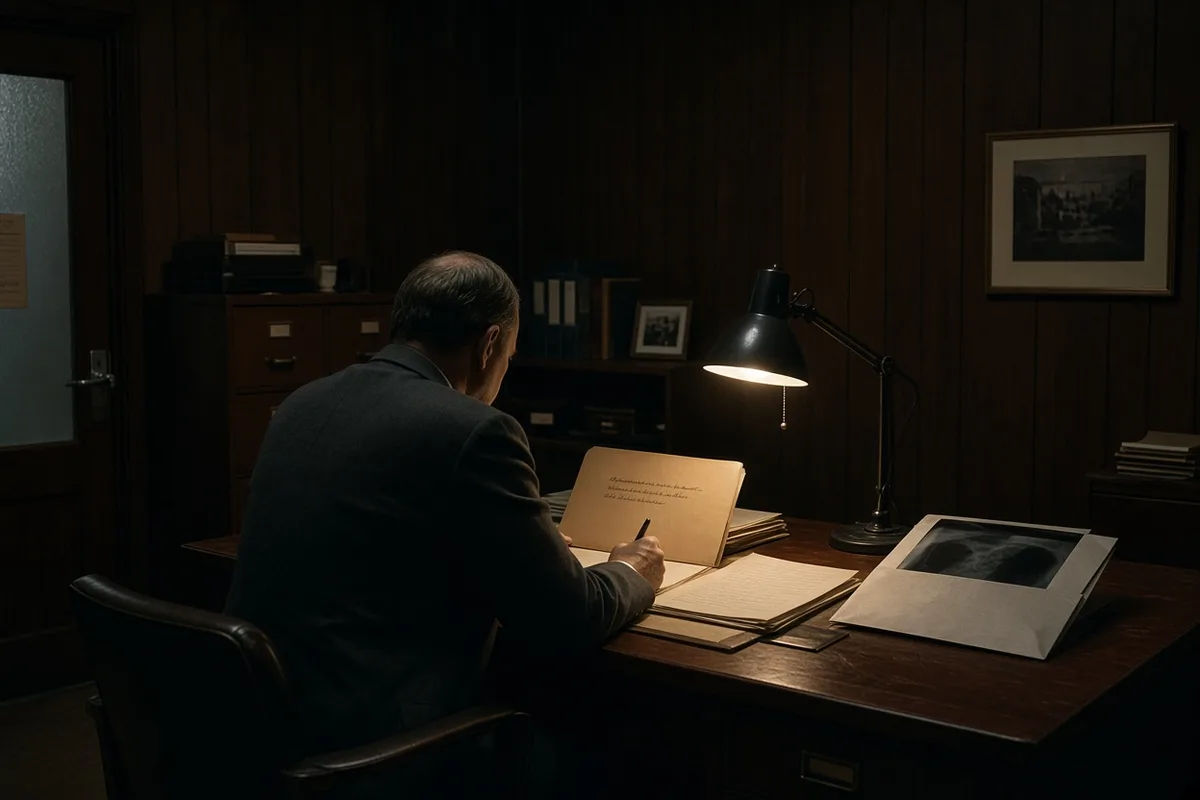
In the spring of 2008 the International Medical Committee received a request from the Italian Ministry of Defence for a certified copy of the 1971 declaration; the cover letter, signed by Colonel medico Luigi Santini on 12 March, cited Law 833 of 1978 and requested the document for a supplemental disability pension adjustment. The committee archivist in Paris, Dr. Hélène Marchand, mailed the certified photocopy on 4 April together with a covering note that the original vote tally remained unchanged at twenty-four to zero.
Micheli’s daughter Anna, who had taken a position as a payroll clerk at Fiat Mirafiori in 1994, applied in 2010 for the same regimental pilgrimage that her father had joined; the diocesan office in Turin recorded her application number 47/2010 and noted that she carried with her the 1963 biopsy report number 2147/M. She returned on 9 June 2010 and deposited a handwritten note in the Bureau’s visitors’ book stating that she had touched the same rock face her father had touched forty-seven years earlier.
The Bureau’s annual statistical report for 2015 lists 347,892 registered sick visitors that year, of whom 214 came from Italy; among the Italian group was Paolo Micheli, who signed the register on 14 May using the same fountain pen his father had used in 1974, according to the entry on page 112 of the 2015 volume kept at the Accueil Notre-Dame.
On 3 April 2019 Dr. François Soubiran, the last physician to sign the Micheli access log, wrote in the margin of the 1971 declaration that the cortical bone density measured on the 2018 CT scan performed at Ospedale San Giovanni Battista matched the 1970 Lourdes film within 0.3 millimetres at the superior iliac crest. The scan requisition number was 2018-09-11247.
Elena’s headstone at the Cimitero Monumentale bears the inscription “12 April 1972 – 22 November 2014” and was cleaned on 2 November 2021 by the parish confraternity of San Secondo; the receipt issued by the cemetery office lists the work order number CM-21-884 and notes that Vittorio Micheli, then aged 84, accompanied the stone mason to verify the lettering.
The final regimental reunion occurred on 12 May 2018 at the Turin station; of the original 1963 pilgrimage contingent only three members remained, and the stationmaster’s log records that the 14:42 regional train carried Vittorio Micheli, then using a single wooden cane, to the platform where he boarded coach 3, seat 12.
On 7 February 2022 the Medical Bureau issued its yearly inventory; the Micheli folder, sleeve number 14-A, was examined that morning by the current archivist, Sister Marie-Thérèse Laval, who recorded the temperature in the storage room as 18.4 °C and the relative humidity as 47 percent before returning the folder to drawer 14 at 11:47. The last human image on file is the 18 May 2005 photograph, its negative still stored in the Sanctuaire’s climate-controlled vault, cabinet 3, row B.