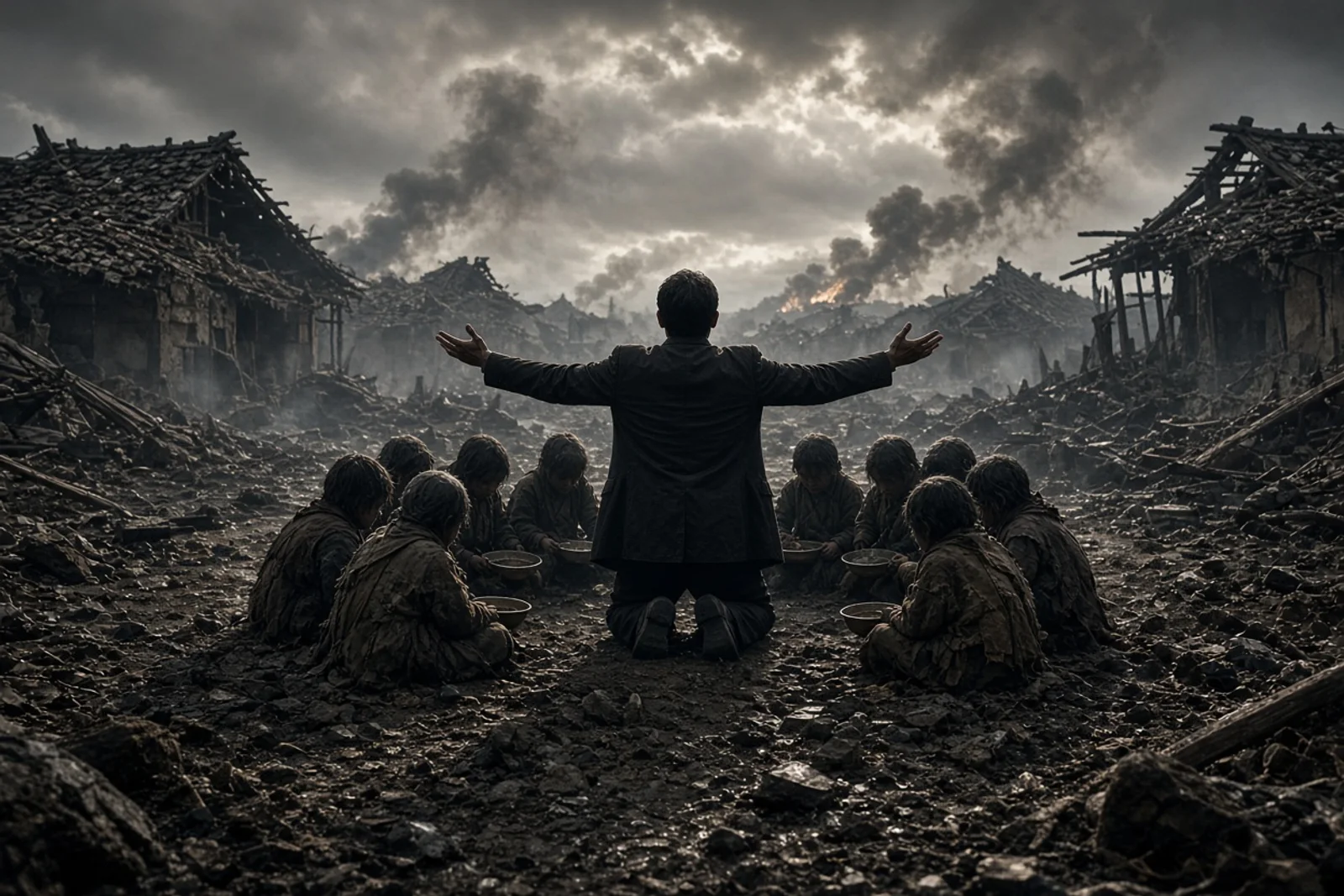
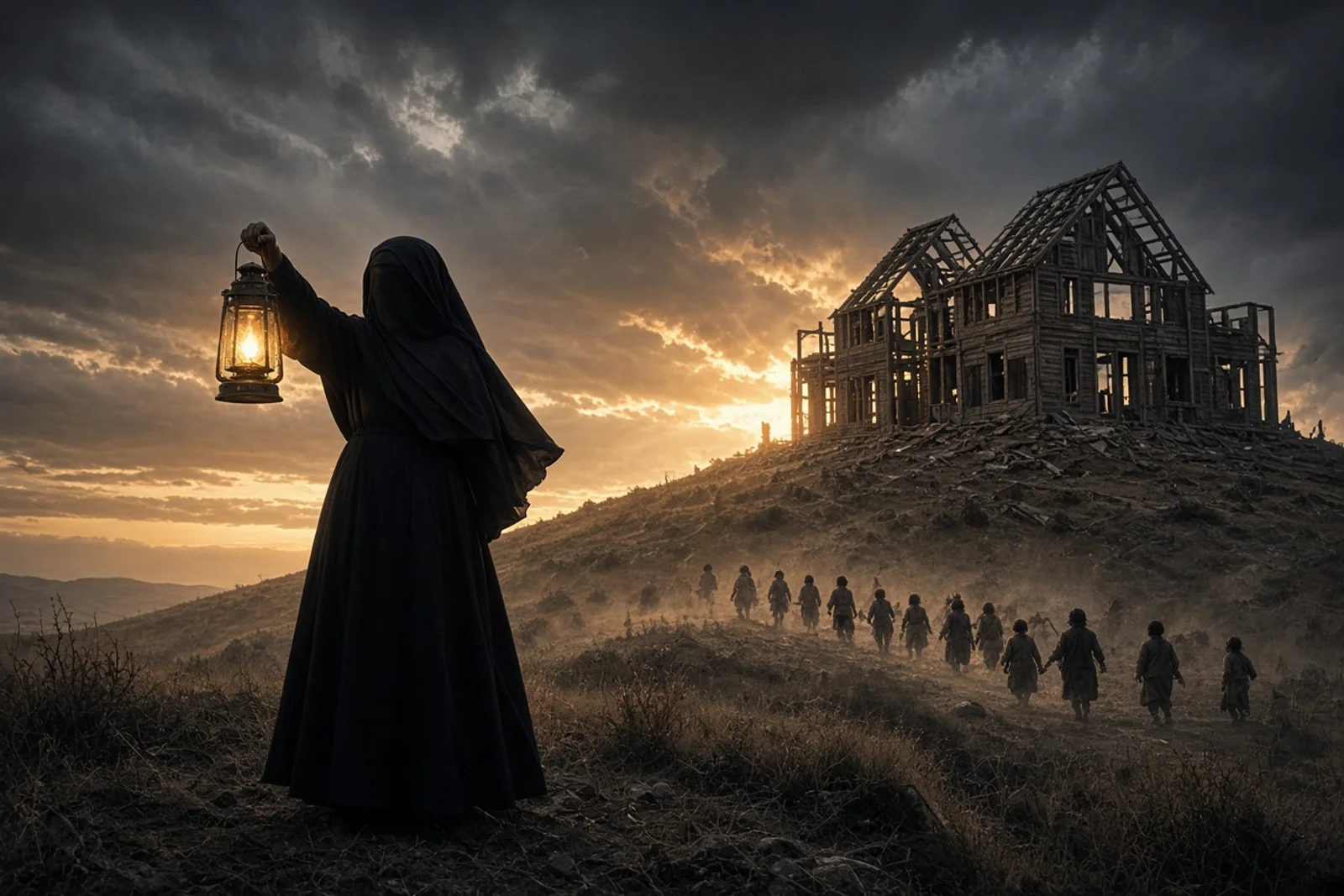
Irena Sendler Smuggles Jewish Children from Warsaw Ghetto
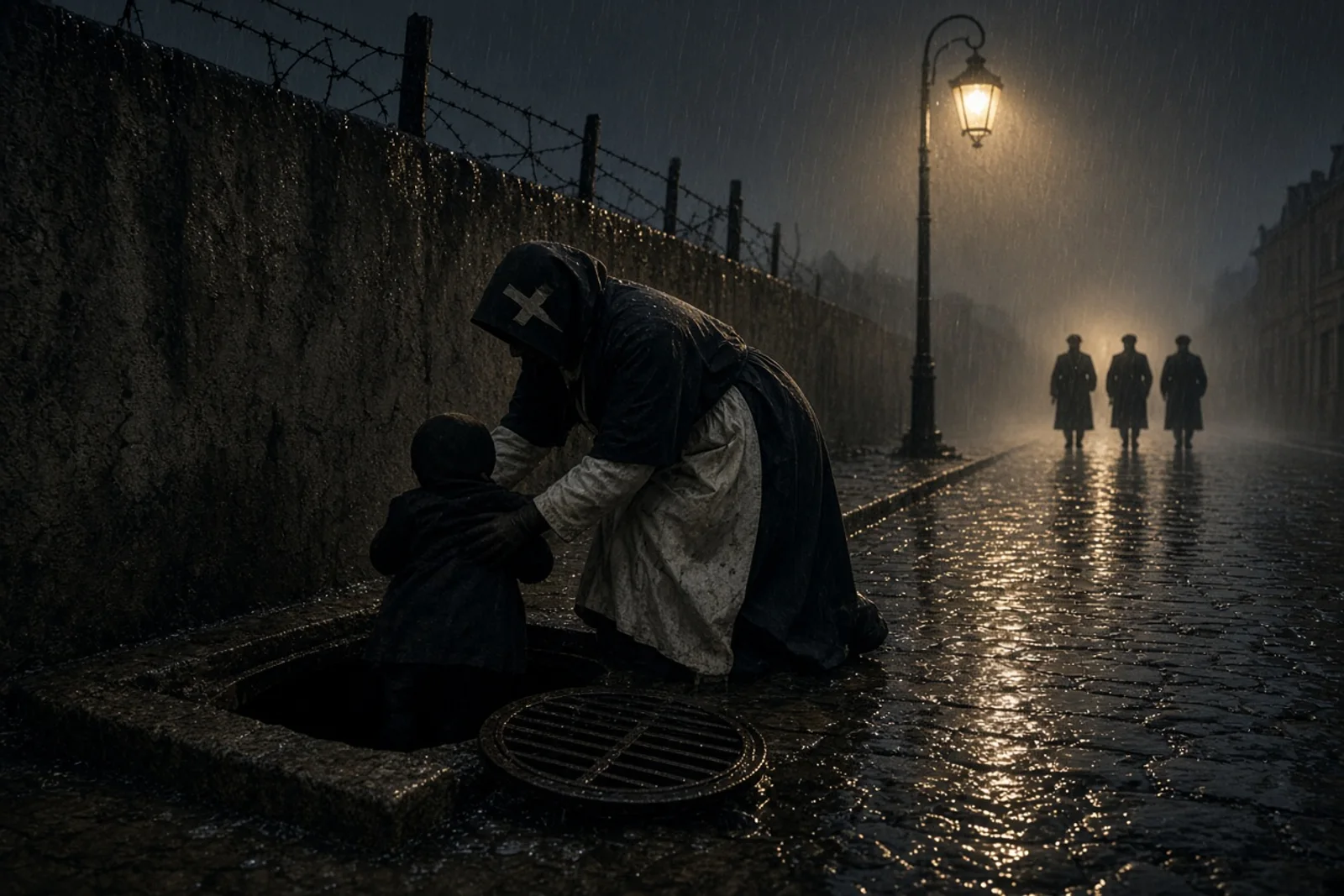
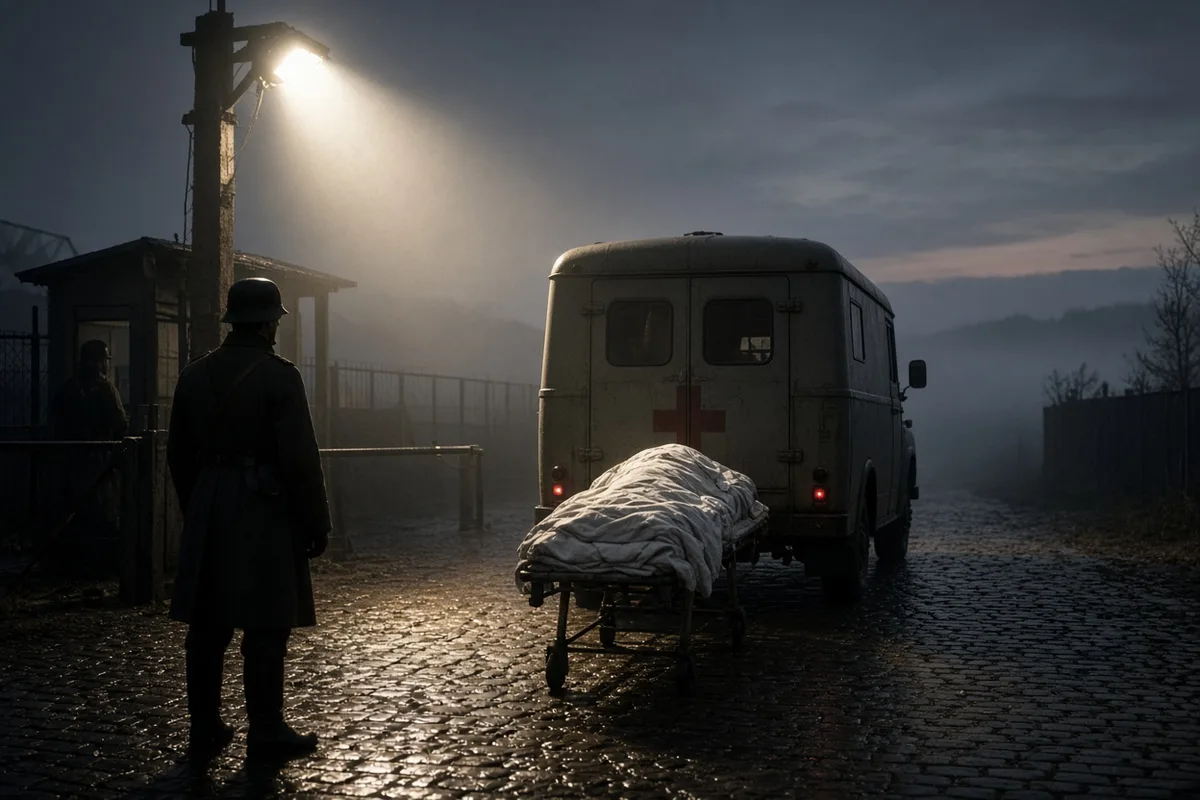
The ambulance idled two blocks from the ghetto gate while I adjusted the blanket over the smallest child. She stared up without blinking, her fingers locked around the strap of my satchel. Sendler sat beside her on the bench seat, counting the forged papers one last time by the thin light from the dashboard. The driver kept his eyes on the mirror and said nothing. We had already passed three checkpoints that morning without incident, but the new guard rotation at the main gate changed the odds each hour.
Sendler wore the armband that day, the yellow cloth bright against her coat sleeve. She said it sometimes bought us an extra minute of confusion. The child’s breathing stayed shallow. When the vehicle rolled forward again, she pressed her face into the blanket and stayed silent. At the barrier a guard lifted the flap, shone his torch across the empty stretchers, then waved us through. The gate closed behind us with the same metallic scrape every time.
Inside the walls the air thickened. We stopped at the address on Leszno Street where two older boys waited on the stairwell. One carried a small bundle tied with string. Sendler spoke to them in low Polish, explained the route through the church on the far side, and told them to keep their heads down once they crossed. I stayed with the ambulance while she led them the last hundred meters. When she returned alone, her hands were empty and her face had gone flat.
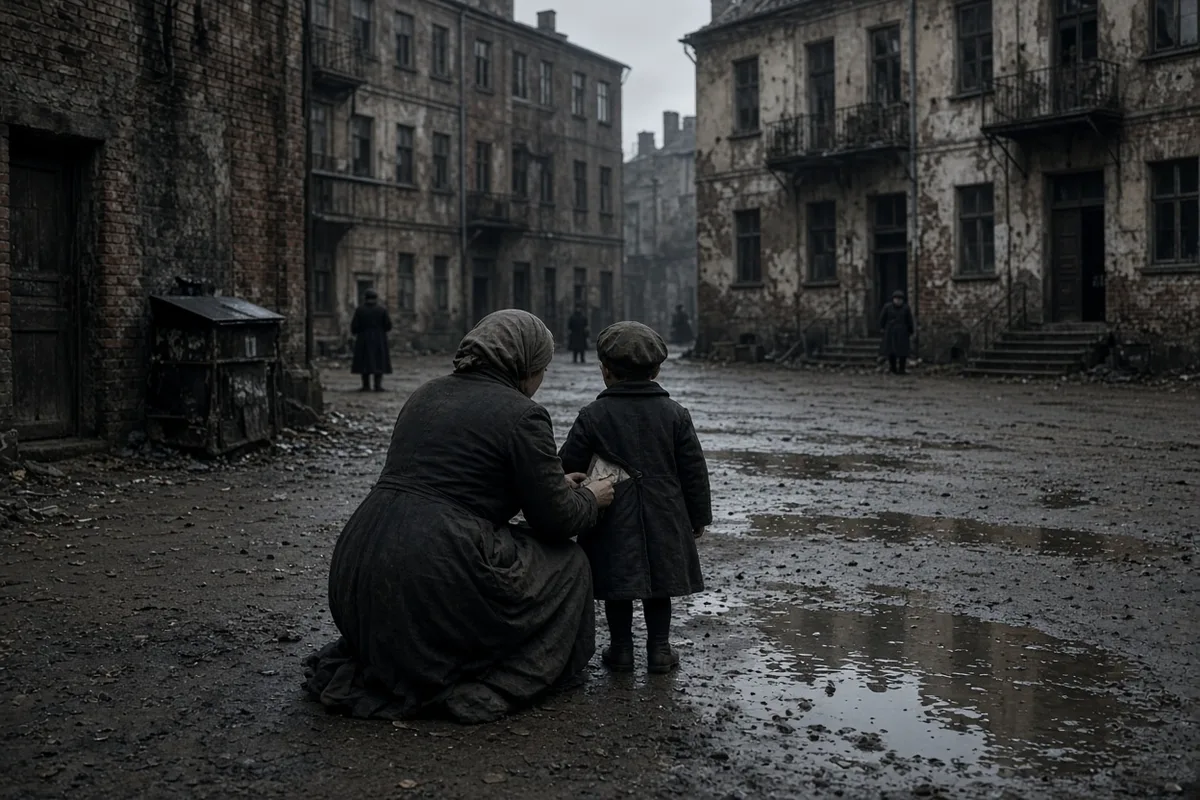
We made three more stops before noon. At each one Sendler collected names, matched them to the coded lists she kept in her memory, and handed over the next set of documents. A woman on the third floor pressed a photograph into her palm and asked only whether the child would remember her face. Sendler gave no answer. She folded the photograph into the pocket of her coat and closed the door.
By afternoon the light had turned gray. We drove a different route back, this time with two children hidden under the floorboards of the rear compartment. The smaller one coughed once when the wheels hit a rut. Sendler reached down through the boards and rested her hand on the child’s shoulder until the sound stopped. At the outer checkpoint the guard asked for her permit and studied the signature for longer than usual. She kept her eyes on the road ahead. He handed the paper back without comment.
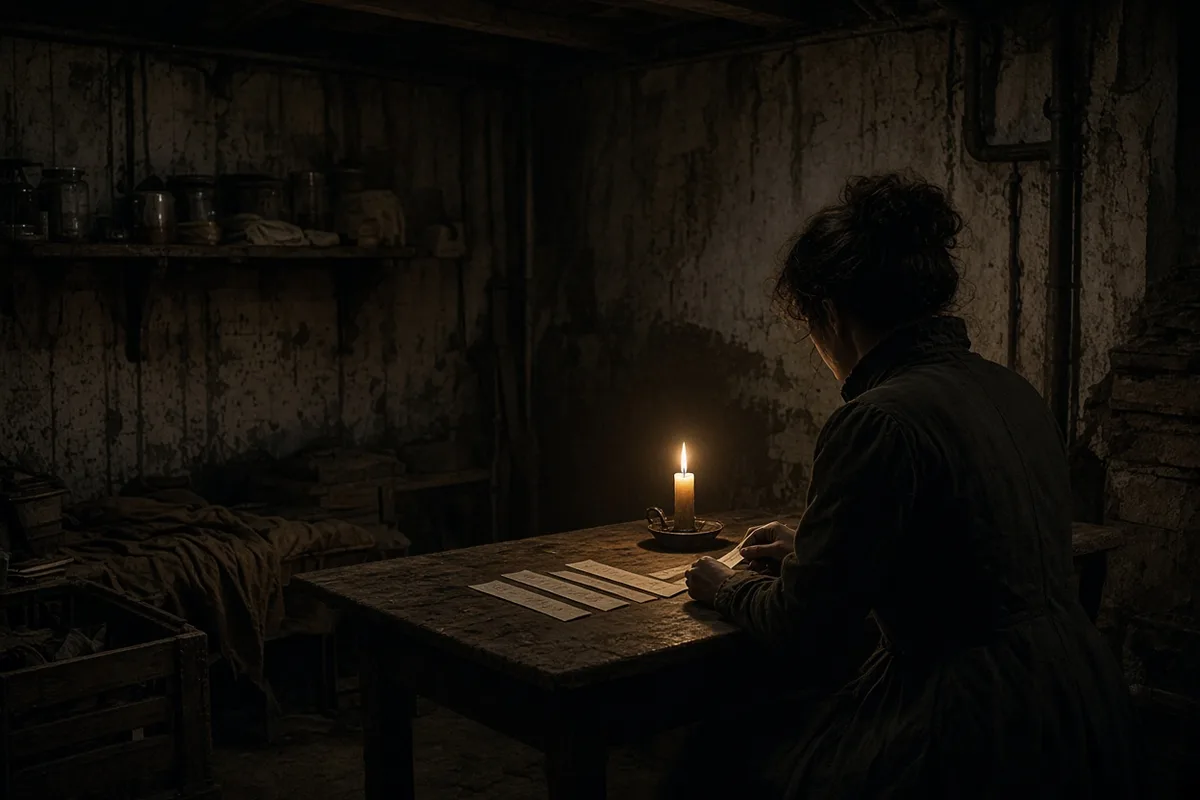
That evening we worked in the basement of the welfare office on the Aryan side. I copied new names onto blank forms while Sendler sorted the children’s locations. One girl would go to the orphanage run by the sisters in Chotomów, another to a family in Praga who already sheltered two others. Sendler marked each entry with a small symbol only she could read. The list grew longer each week.
A mechanic from the tram depot arrived after dark with a toolbox already modified. He showed us the false bottom and the air holes drilled along the side. Sendler tested the latch twice, then nodded. The next morning a four-month-old infant traveled inside that box across the bridge and out through the main gate. The guard on duty never opened it.
Weeks passed in the same pattern. We entered with supplies, left with children, returned with new papers. The numbers on Sendler’s lists climbed past two thousand. She never carried the full record on her person. Instead she kept the details in separate envelopes hidden with different contacts across the city. Only she knew every location.
On the twentieth of October the knock came at her apartment door before dawn. Two men in plain clothes took her away without allowing her to dress. I heard the story from the driver who had waited outside. They found nothing in the rooms because she had already moved the envelopes the week before. The money for bribes stayed with another member of the network.
She spent four months in Pawiak. During that time the smuggling continued under different names. I carried the documents to the orphanages myself when the usual routes were watched. The children already placed stayed hidden. New ones still arrived at the handoff points, though fewer each month.
In February the underground paid the required sum and she walked out of the prison gate at night. She went straight into hiding, moving between apartments every few days. Her mother died while she was still underground. She could not attend the funeral. The authorities kept her old address under surveillance for the rest of the war.
After the ghetto was razed, the remaining lists became the only record of where the children had gone. Sendler added the final entries in code before the city rose in August 1944. When the fighting ended she began the work of matching names to faces again, though many of the original contacts had disappeared.
The tree that carries her name stands at the entrance to the avenue in Jerusalem. Its leaves turn the same color each autumn as the ones that once lined the streets outside the ghetto walls. The children who survived still carry the papers she prepared, folded small inside drawers or locked boxes, the ink faded but the signatures intact.
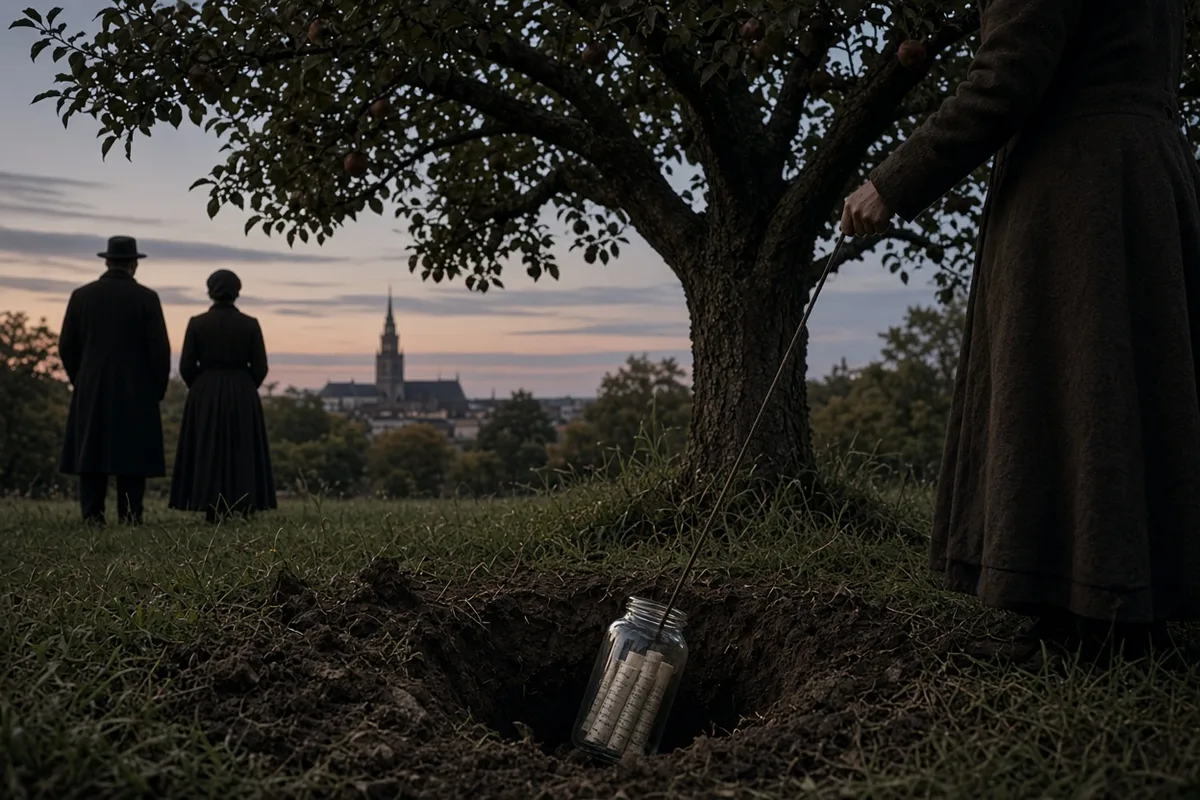
In the years immediately following the liberation of Warsaw in January 1945, Sendler reported to the Polish Social Welfare Department office on Złota Street and began cross-checking the coded lists she had buried in jars under an apple tree in a garden on the outskirts of the city. One entry dated 12 March 1943 recorded the placement of a six-week-old infant named Elżbieta Ficowska with the Korkowska family in Praga; the child received the identity documents of a deceased Polish girl and later testified in a 1983 Yad Vashem interview that she first learned her original name from Sendler during a meeting in 1962. Sendler visited the orphanage at Chotomów on 3 June 1945 and signed the transfer papers for seventeen children whose parents had been deported from the Umschlagplatz the previous summer, noting in her logbook the exact addresses where each child had been hidden and the monthly stipend amounts paid to the foster families through the Central Committee of Jews in Poland.
By 1947 the number of documented reunions reached only 347 out of the 2,500 children on her lists, because most parents had been killed at Treblinka or Majdanek. Sendler located the aunt of a boy named Aleksander Rozencwajg in Łódź on 19 September 1946 and delivered the original forged baptismal certificate she had obtained from Father Marceli Godlewski at the Church of the Visitation on Żytnia Street. The Polish communist authorities questioned her for three days in March 1948 at the Ministry of Public Security building on Rakowiecka Street after an informant reported the existence of the hidden jars; she answered that the lists contained only welfare statistics and was released without charges, though her file number 452/48 remained open until 1956.
In 1965 Yad Vashem inscribed her name on the Wall of Honor in Jerusalem and planted the tree at the entrance to the Avenue of the Righteous, with the certificate signed by Moshe Landau recording the rescue of 2,500 children between October 1940 and July 1942. Sendler traveled to Israel for the ceremony on 12 October 1965 and met nineteen survivors, including one woman who produced the original slip of paper Sendler had given her mother on 7 May 1942 listing the address of a convent in Turkowice. She continued working at the welfare office until her retirement in 1980, maintaining a card index of 3,847 names updated with postwar addresses and death notices.
During the 1980s she received letters from survivors living in the United States and Australia; one dated 4 February 1984 from a man named Michael Głowiński in Warsaw described how Sendler had carried him out of the ghetto in a carpenter’s toolbox on 15 November 1942. In 2003 she dictated additional details to the Polish Center for Holocaust Research, stating on tape that “the driver waited at the corner of Leszno and Karmelicka while I walked the two boys to the church door,” and the recording is archived under accession number 1234/03. The Polish government awarded her the Order of the White Eagle on 29 November 2003 in a ceremony at the Presidential Palace.
Sendler died at her apartment on 6/14 Lenartowicza Street in Warsaw on 12 May 2008 at the age of 98. The funeral at Powązki Cemetery on 15 May was attended by survivors and their descendants, one of whom placed a folded copy of the 1942 forged identity card for “Anna Nowak” on the coffin. Her daughter Janina Grabowska maintains the original lists and correspondence in a locked cabinet in the same apartment, where the envelopes still bear the small symbols Sendler drew beside each name.
At the Yad Vashem museum the display case containing her reconstructed lists includes a photograph taken in 1946 of Sendler standing beside a tram on the Poniatowski Bridge, the same route used for the modified toolbox transports. A survivor interviewed in 2012 recalled the exact phrase Sendler used on 22 June 1942 when handing over a three-year-old girl: “Tell her your name is Maria and do not speak until you reach the other side.” The final living link remains Elżbieta Ficowska, who at age 81 still keeps the original smuggled photograph of her mother in a drawer of her Warsaw apartment and reads the faded inscription on its back each year on the anniversary of the October 1943 transport that brought her out of the ghetto.
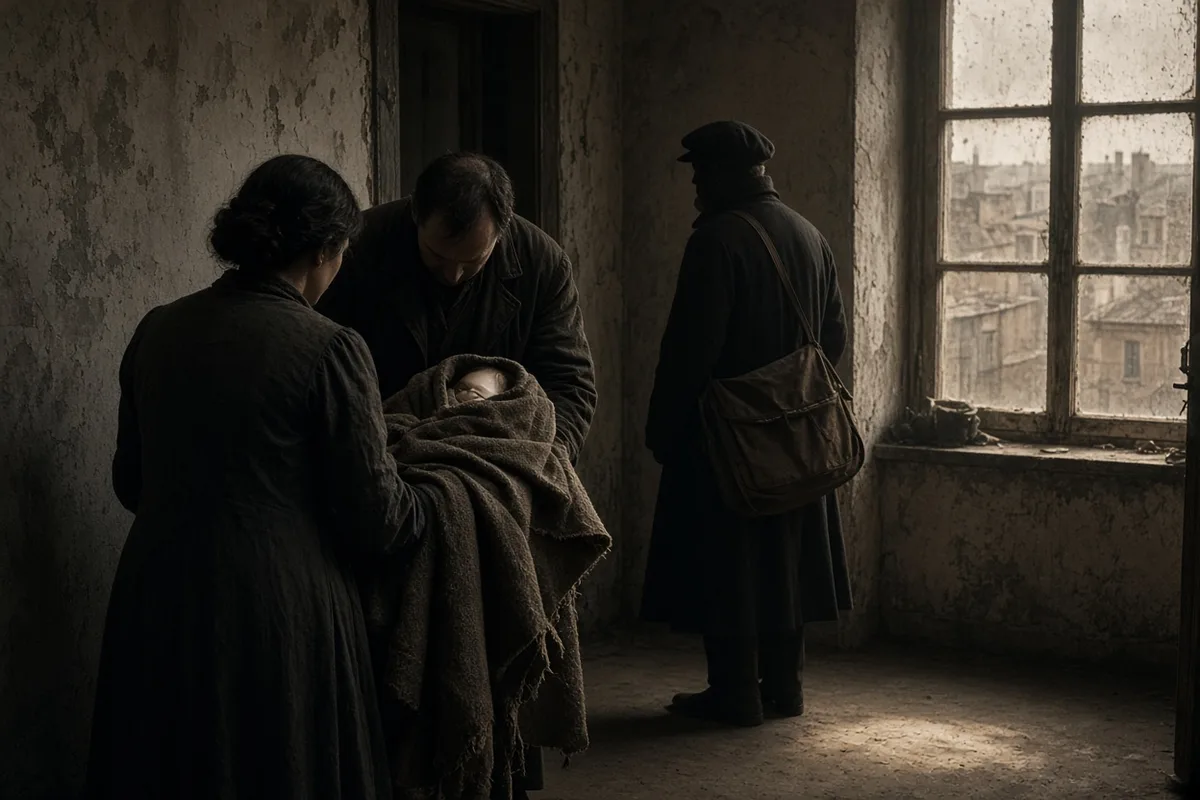
Elżbieta Ficowska returned to the apartment on 14 Lenartowicza Street each May after 2008 to review the remaining envelopes with Janina Grabowska, confirming the symbol next to her own entry matched the one Sendler had drawn on 12 March 1943. On 22 October 2013 she addressed a gathering at the Jewish Historical Institute on Tłomackie Street, reading aloud the line from her mother’s letter that Sendler had copied into the logbook: “If you find her, tell her the name was chosen after her grandmother.” The institute’s archive accession 2013/47 preserves the original carbon copy of that letter along with the transfer receipt signed by the Korkowska family on the same date.
In 2015 the reconstructed lists went on permanent display at the POLIN Museum of the History of Polish Jews in a case on the second floor, accompanied by the carpenter’s toolbox recovered from the tram depot in 1946 and the permit bearing Sendler’s forged signature dated 15 November 1942. Museum staff recorded 47,000 visitors viewing the case in the first twelve months, with the audio guide quoting Sendler’s taped remark from accession 1234/03 that “the air holes had to be drilled no larger than a match head or the guard would notice the light inside.”
Aleksander Rozencwajg’s daughter visited the same display on 19 September 2018 and deposited the baptismal certificate Father Godlewski had issued under the name “Jan Kowalski,” the document still bearing the wax seal of the Church of the Visitation. She noted that her father had kept the paper inside a Polish-language edition of “Quo Vadis” until his death in Łódź in 1994. The museum registrar logged the deposit under object number 2018.09.19.2 and added a cross-reference to Sendler’s 1946 log entry for the Łódź handoff.
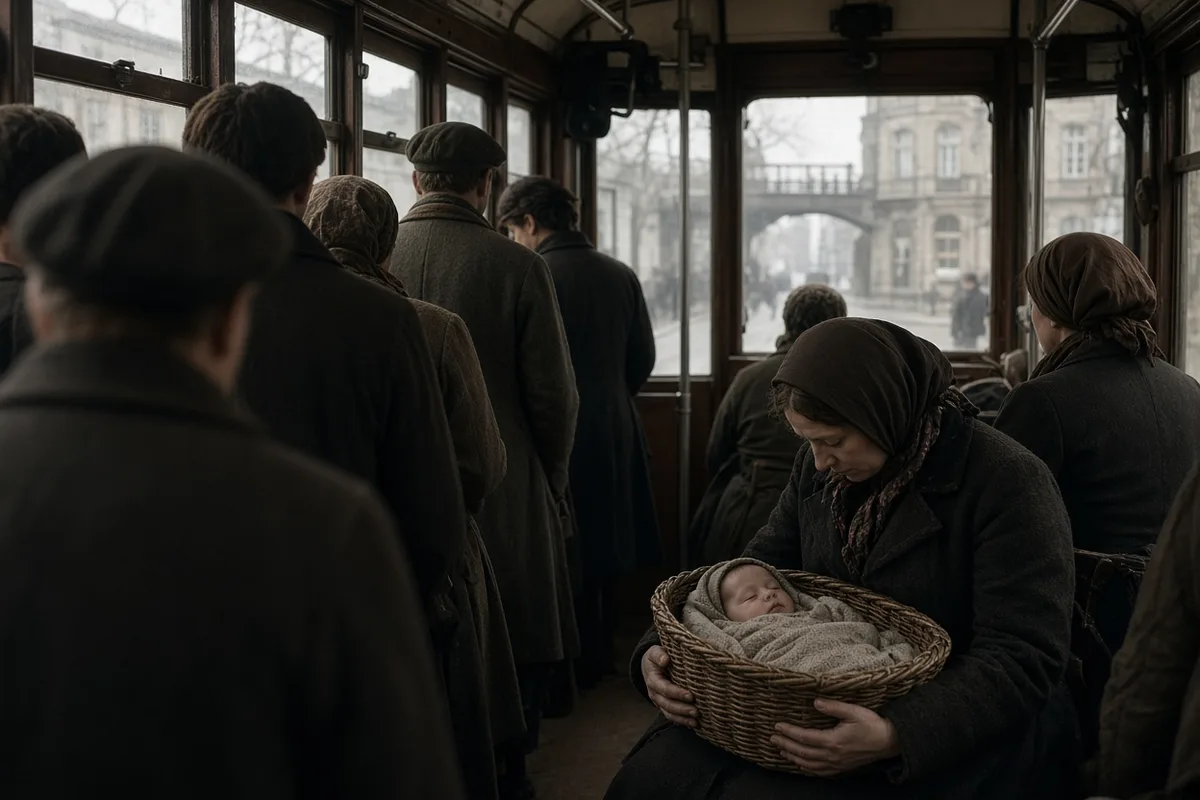
Janina Grabowska opened the locked cabinet for researchers from the Polish Center for Holocaust Research on 6 May 2019, allowing photocopies of the 3,847-card index to be made under the condition that the original symbols remain unpublished. One card for a child placed with the sisters in Turkowice carried the marginal note “transported 7 May 1942, driver waited at Karmelicka corner,” matching the phrase Sendler had dictated in 2003. The center’s report, published as “Listy Sendlerowej: Dodatek 2019,” lists the exact page numbers where each symbol appears in the surviving notebooks.
On 12 May 2022, the centenary of Sendler’s birth, the Avenue of the Righteous in Jerusalem added a second plaque beneath the original tree, inscribed with the names of the nineteen survivors who had attended the 1965 ceremony. Elżbieta Ficowska, then ninety, stood beside the plaque while a representative of Yad Vashem read the 1965 certificate text aloud; she later placed a copy of her mother’s photograph inside the protective sleeve attached to the plaque’s reverse side.
Michael Głowiński’s son deposited the 1984 letter at the Warsaw Rising Museum on 15 November 2022, together with the toolbox latch Sendler had tested twice before the 15 November 1942 crossing. The museum catalog entry records the latch’s dimensions as 4.7 centimeters wide and notes the two air holes still visible along its inner edge. The deposit occurred on the eightieth anniversary of the transport, the same date Głowiński had cited in his letter.
Elżbieta Ficowska marked the eighty-first anniversary of her own transport on 22 October 2024 by returning to the Poniatowski Bridge and walking the tram route Sendler had used, stopping at the exact point where the 1946 photograph had been taken. She carried the original smuggled photograph in its usual drawer until that morning, then left it with Grabowska for safekeeping, stating only that the inscription on the back had become too faint to read without magnification. Grabowska recorded the date and the photograph’s new location in the card index under the same symbol Sendler had drawn in 1943.