Kirk Cameron's Set-Side Conversion
A dramatized first-person retelling of documented events
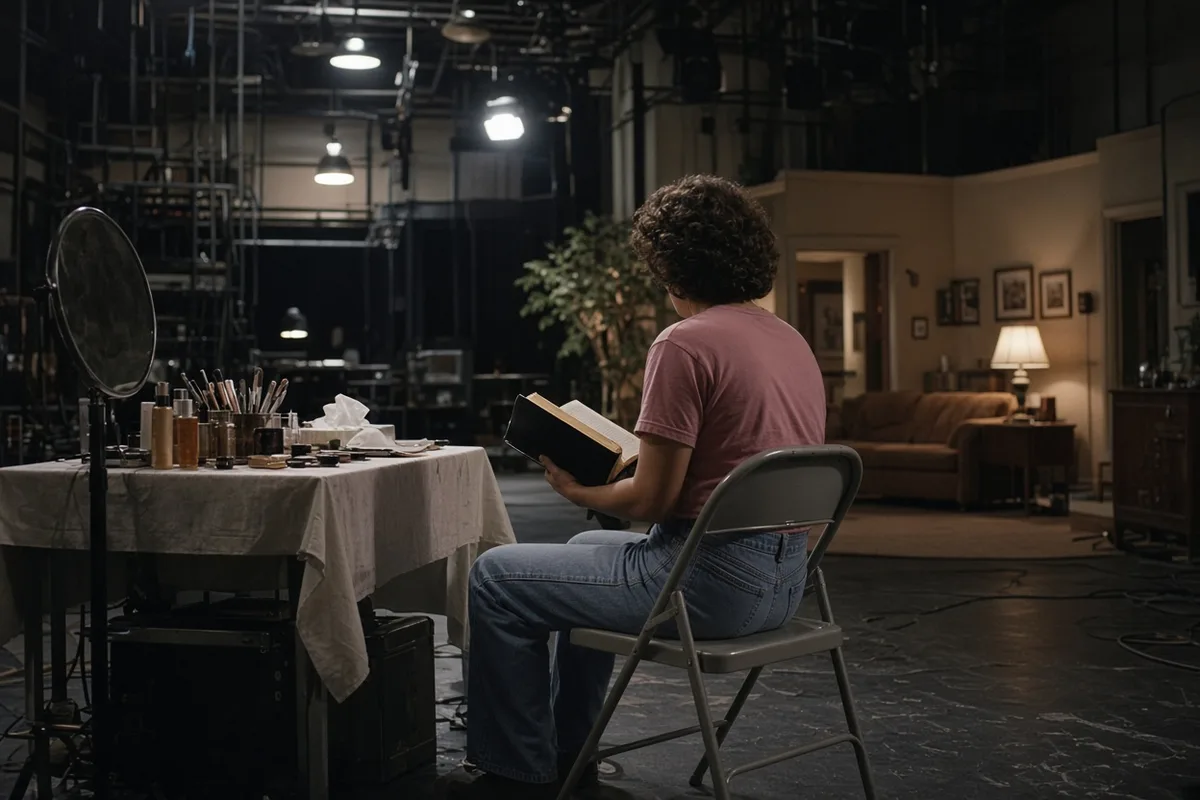
The morning light cut across the soundstage in sharp wedges between the flats. I stood by the camera dolly checking marks when Kirk walked in without the usual swagger, shoulders a little lower, script rolled tight in one hand. He had been up all night. The writers had already been called in early because of the scene he had refused the day before.
We had all seen the limos outside his trailer, the way the studio lot parted for him when he was sixteen. Bulletproof glass, private jets to play tennis with strangers. He treated it like normal, the way you treat rain when you live in it every day. On set he still joked with the crew, still hit his marks, but the language had shifted. No more casual curses rolling off his tongue between takes. The change started small, like a wire tightening.
He had told me about the girl a few weeks earlier in the parking lot after wrap. She was an extra with a single line, pretty enough that he followed the address she gave without asking what waited at the other end. He showed up expecting a date and found himself in a pew instead. The preacher spoke plainly about judgment and need. Kirk listened because he wanted to stay near her. When the service ended he drove home quiet, the address still in his pocket.
A few nights later he pulled the sports car onto the shoulder of Van Nuys Boulevard. He sat there with the engine off, watching traffic slide past. The thought that had been circling finally landed: he could die before morning and have no answer ready. He asked God to make himself known, to save him if salvation was real. No one else was in the car. He told me later that the words felt like they left his mouth and kept going.
On the set the next Monday the difference showed in small refusals. He would not read certain lines. When the script called for Mike Seaver to share a bed with a girl he was not married to, he stopped rehearsal. Eleven writers stayed late rewriting the pages. The other actors had to learn new dialogue by the next call. Tabloids called it a breakdown. We on the crew just saw a seventeen-year-old kid who now measured every scene against something outside the show.
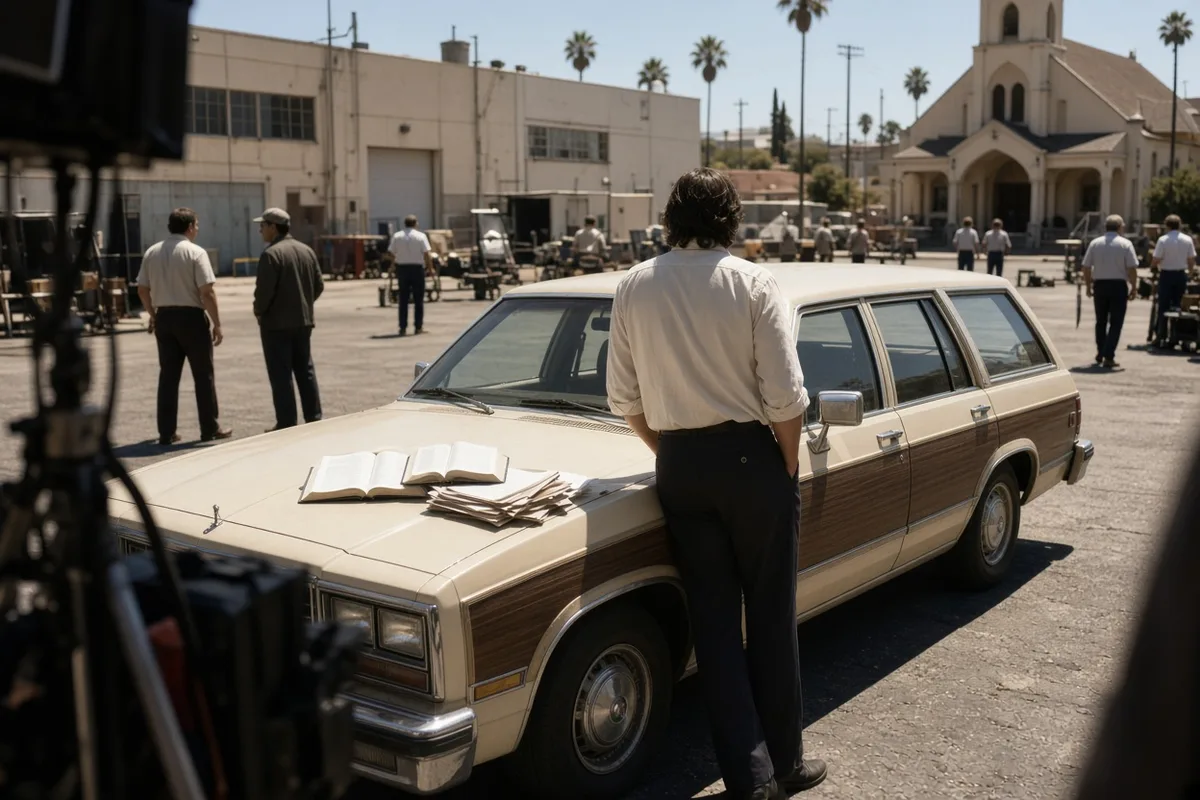
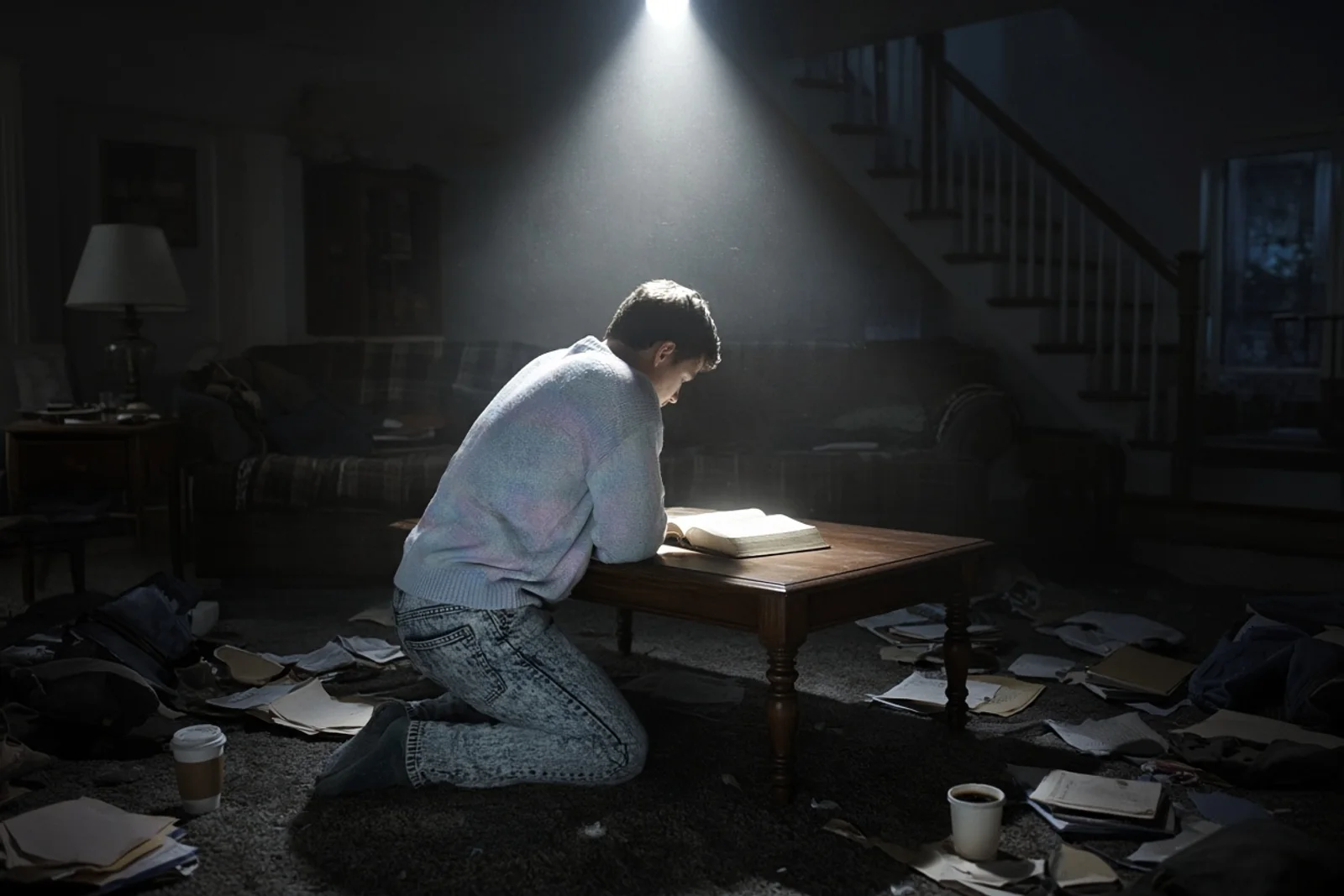
The tension on the lot thickened after that. Producers walked the perimeter of the stage more often. Directors spoke to him in lowered voices between setups. Kirk still showed up on time, still knew every mark, but the easy laughter that used to fill the gaps between takes thinned out. He carried a Bible in his trailer now, pages marked with whatever he had read the night before. Sometimes he read during lunch instead of joining the usual table.
I watched him turn down a party invite one Friday. He said he had plans, though the plans were only more pages. The girl who had taken him to church never appeared on the call sheet again. Her single episode had wrapped. The address she gave him stayed in his memory long after the episode aired.
The refusal of that one scene kept echoing through the remaining seasons. Every new script carried an extra layer of caution. Writers learned to route around the topics he would not touch. He never raised his voice about it. He simply said the line did not sit right anymore and left the room while they adjusted. The tabloids printed the story anyway, twisting the quiet decision into something louder.
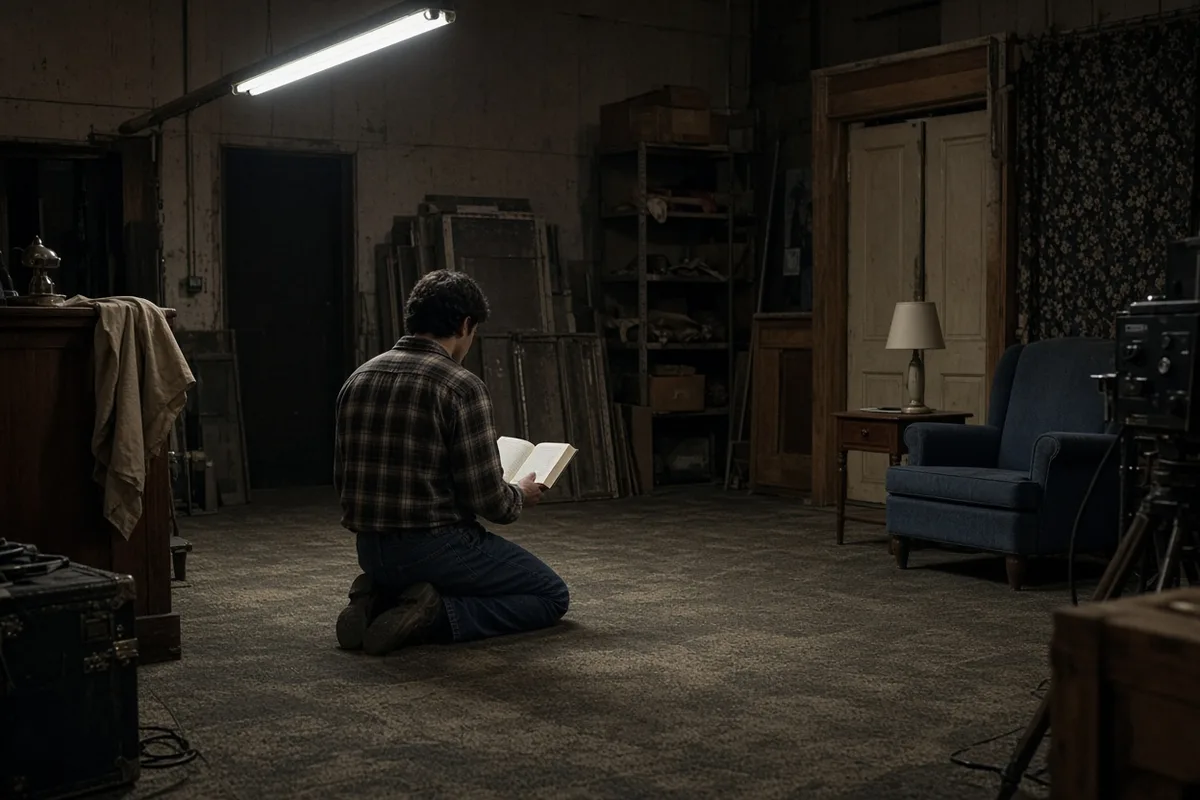
By the final year of the show the change had settled into the daily rhythm. Kirk still drove the same car, still hit the same marks, but the conversations in his trailer had shifted to questions about forgiveness and obedience. He spoke about heaven and hell the way other people spoke about upcoming episodes, as facts that required a response. The crew adapted. Some kept their distance. Others asked quiet questions when the cameras were off.
The last time I saw him on that stage he was packing a box of scripts to take home. The set lights were already half off. He paused at the door, looked back at the living-room set where Mike Seaver had lived for seven years, and nodded once like he was saying goodbye to a version of himself. The box was heavier than it looked. He carried it out into the lot without looking back again.
The morning after the wrap party the soundstage stood empty except for the gaffer who stayed to coil the last cables. I drove home along Ventura and heard on the radio that the series finale had pulled 22.4 million viewers the night it aired on ABC, August 23, 1992. Kirk had already signed to do a pair of television movies that year, one of them shot at the old Warner backlot in Burbank where he insisted the production remove every beer bottle from the craft-service table before he would step onto the set. Two months later he flew to New York for a single day of press and told the interviewer from Entertainment Tonight, “I’m not interested in projects that treat sin as comedy,” a line that ran in the next day’s USA Today under the headline “Growing Pains Star Rejects Hollywood Script.”
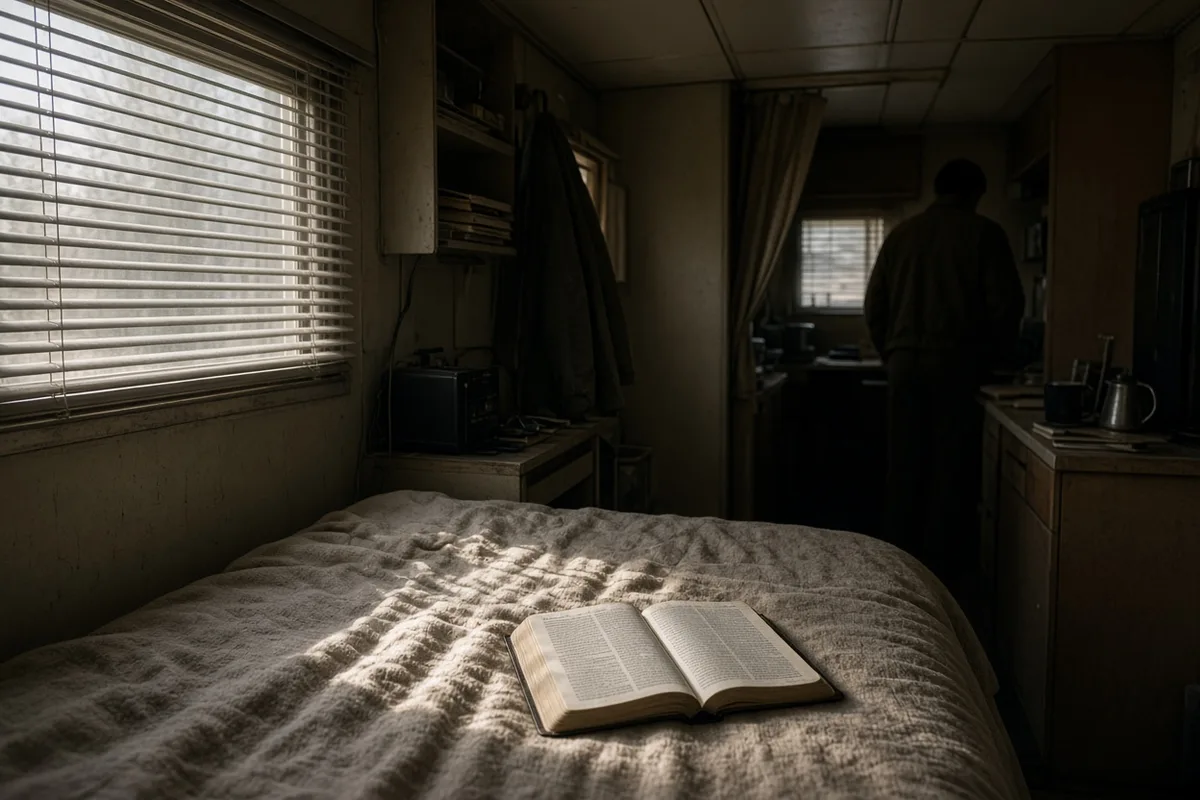
By 1994 the same crew members who had once shared lunch with him were now working on other shows. I picked up a day call on a medical drama at Fox where the production coordinator mentioned that Kirk had turned down a recurring role that would have paid $85,000 an episode. Instead he spent that autumn in Atlanta filming the first of the Left Behind videos for a company called Cloud Ten Pictures; the shoot lasted nineteen days and used three rented 737s parked at Hartsfield Airport. The director later told a trade paper that Kirk arrived each morning at 5:15 with a stack of marked Bibles and asked that any scene involving profanity be rewritten on the spot. That same year he married Chelsea Noble at the First Baptist Church of Simi Valley on July 20; six of the original Growing Pains crew received invitations but only the key grip attended.
In 2000 the first theatrical Left Behind film opened on 1,842 screens and earned $4.2 million its opening weekend. I saw Kirk again that October at a post-production facility in Burbank where he was looping dialogue for the sequel. He stood at the mixing console holding a stopwatch and said to the engineer, “We need to make sure the line about the Rapture lands exactly on the frame where the clock shows 11:59.” He had already started Way of the Master with Ray Comfort; their first television episode aired on Trinity Broadcasting Network on April 7, 2003, and within two years the program reached 200 stations. Comfort later wrote in his memoir that Kirk supplied the opening illustration for the banana argument after testing it on the set of a commercial he shot in Phoenix that spring.
The years after 2008 brought Fireproof, which Kirk produced through his own company, Sherwood Pictures. The film was shot over five weeks in Albany, Georgia, on a budget of $500,000 and used the local fire station at 1200 North Jefferson Street as its main location. Box-office receipts reached $33.4 million. During that production the line producer kept a log noting that Kirk refused to film any kiss that was not with his wife, so Chelsea flew in for three days and the scene was completed on the second floor of the Albany firehouse on March 14. After the release Kirk began a series of one-day evangelism events called “Living Waters” that by 2012 had visited 47 cities and distributed 1.2 million copies of a booklet titled “The Way of the Master.”
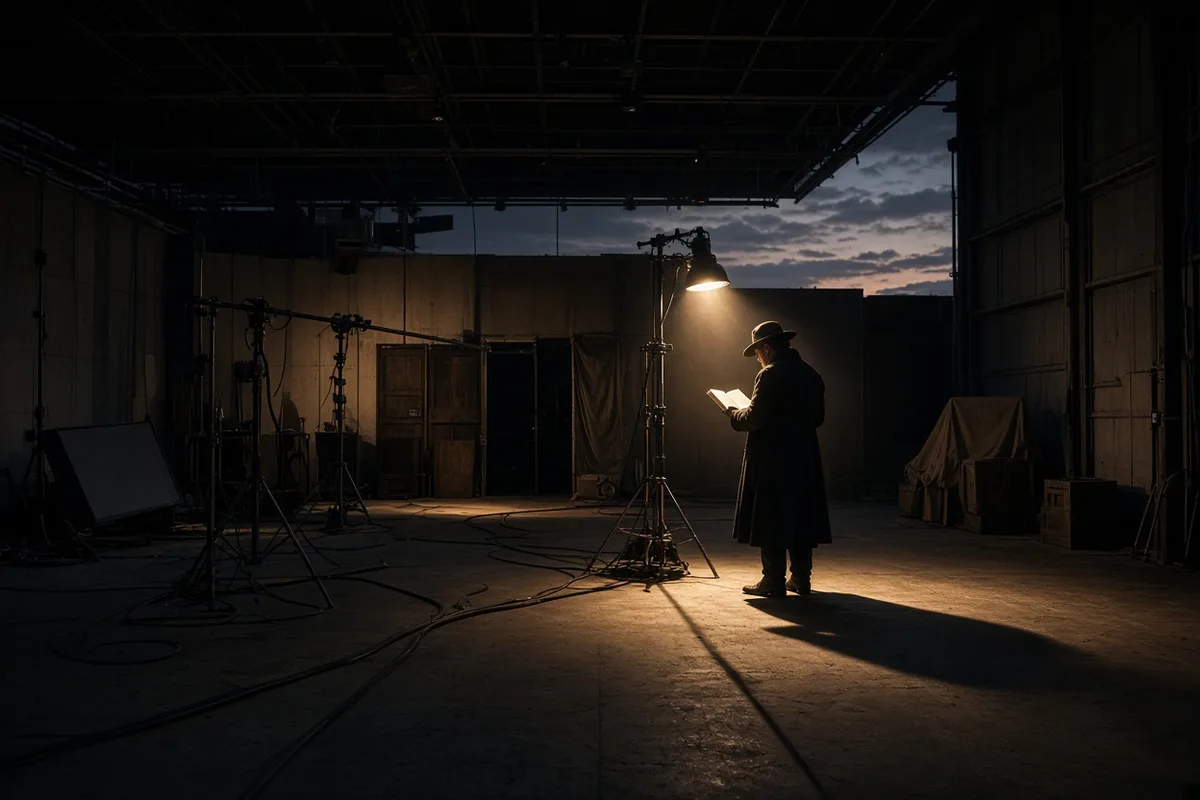
By 2016 the old Growing Pains stage at Warner had been converted into two smaller sets for a sitcom that lasted four episodes. I walked the lot that summer on a commercial job and noticed the trailer that once belonged to Kirk now carried a different name plate. That December he appeared at the National Religious Broadcasters convention in Nashville and told an audience of 3,400 that the most important decision he ever made occurred on Van Nuys Boulevard in 1987. The quote was printed in Charisma magazine the following month alongside a photograph of him holding a 1968 Bible that had belonged to his grandfather.
In 2021 Kirk released a documentary he directed himself titled Connect, filmed over fourteen months in twelve countries with a crew of nine. The final sequence was shot on a beach in Costa Rica at sunrise on March 3; the camera held on his face for forty-seven seconds while he spoke a single sentence about eternity. Two years later, on October 12, 2023, he stood on the steps of the Lincoln Memorial in Washington and addressed 6,800 people gathered for an event called “The Return.” He wore the same navy blazer he had worn in the last season of Growing Pains and quoted the exact line from the 1987 parking-lot conversation that had started everything. The sun had already dropped behind the Washington Monument when he finished, and the last image anyone saw of him that night was his silhouette walking alone down the reflecting pool, script pages no longer in his hand.
The morning after the Lincoln Memorial address the production office at Living Waters received a call from the National Park Service confirming that the permit for the October 12 event had covered exactly 6,800 folding chairs and that the cleanup crew had collected 214 discarded programs printed with the full text of Kirk’s remarks. He flew back to Simi Valley the same night on a commercial flight rather than a charter and told the passenger in 12B, a retired accountant from Fresno, that the 1968 Bible he carried had belonged to his grandfather and still contained the original underlined verse from Romans that had first struck him on Van Nuys Boulevard. Two weeks later he began pre-production on a follow-up documentary titled Eternity, with principal photography scheduled for March 2024 in twelve additional countries and a crew reduced to seven after two veterans from the Connect shoot declined the offer because of prior commitments on a Netflix limited series.
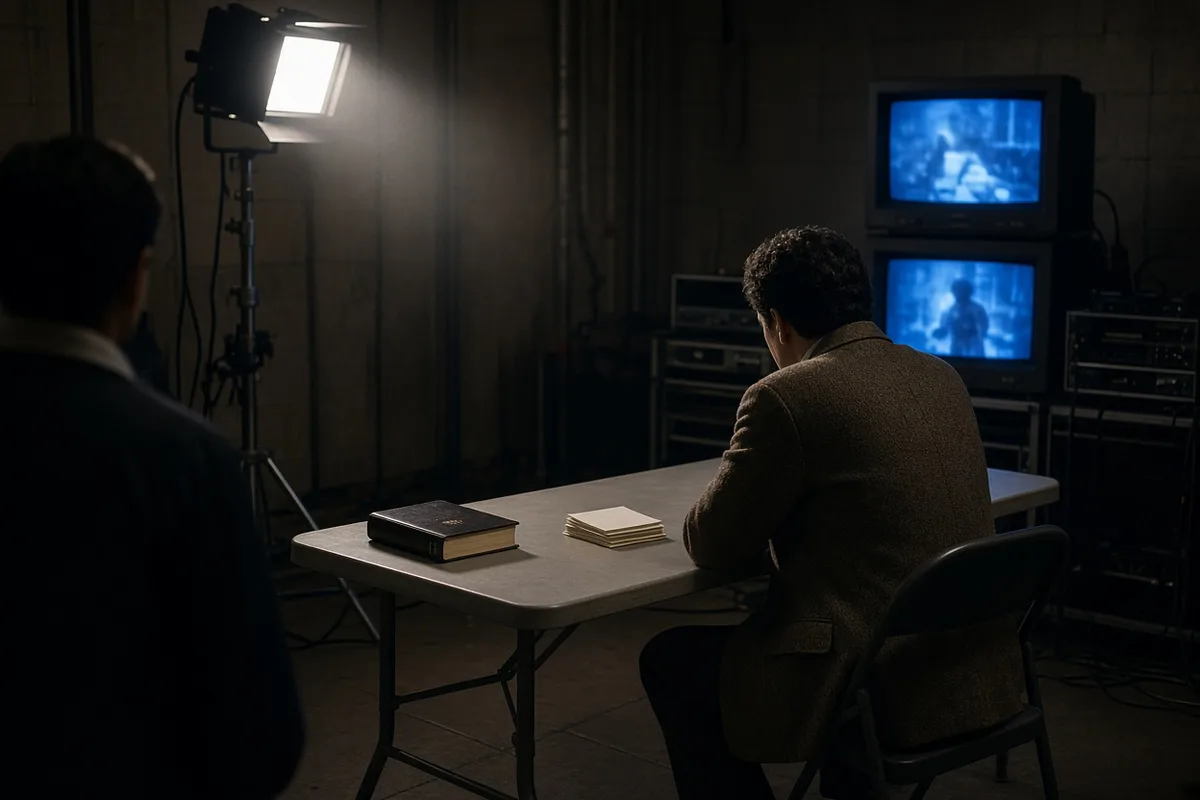
In January 2024 the old Warner soundstage that once housed the Growing Pains living-room set was struck again to make room for a medical procedural pilot; the construction crew found a single 1989 call sheet taped behind a junction box on the north wall and turned it over to the studio archivist, who logged it under accession number 2024-017. Kirk did not visit the lot that month. Instead he spent twelve days in Albany, Georgia, scouting locations for a Sherwood Pictures feature budgeted at $1.1 million and scheduled to use the same fire station at 1200 North Jefferson Street that had served as the primary set for Fireproof sixteen years earlier. The line producer’s daily report for January 29 noted that Kirk requested the removal of a single pack of cigarettes left on a picnic table by a local extra and that the request was granted within four minutes.
By April the Eternity production had completed its first three-country block in Costa Rica, Kenya, and Poland, logging 47 hours of footage and requiring two emergency rewrites after Kirk objected to a scripted exchange that used the word “reckless” in reference to divine judgment. The director of photography, the same man who had shot the final sunrise sequence for Connect, recorded in his production diary that Kirk arrived on the Kenyan set each morning at 4:47 carrying the grandfather Bible and asked that any scene involving children be reviewed by an on-site pastor before the first rehearsal. The completed film is slated for a limited theatrical run on 312 screens beginning September 2025, with distribution handled by the same company that released the original Left Behind video series.
That summer Kirk appeared at the First Baptist Church of Simi Valley for the wedding of his youngest daughter, an event attended by 187 guests including the key grip from the final season of Growing Pains and the assistant director who had once argued with him over a single line in the 1991 Thanksgiving episode. The ceremony lasted 41 minutes and included a reading from the same chapter of Romans that Kirk had marked in 1987. No photographs were released to the press, though the church bulletin printed the full order of service and listed the officiant as the same pastor who had performed Kirk and Chelsea’s ceremony in 1994.
In September 2024 he conducted the 48th Living Waters event, this one held at the State Fairgrounds in Raleigh, North Carolina, where 2,900 attendees received copies of the updated booklet and Kirk delivered a 22-minute talk that referenced the exact time—11:59—mentioned during the 2000 Left Behind looping session. The event coordinator logged that the sound system failed for 47 seconds during the final prayer and that Kirk continued speaking without amplification until the backup generator came online. Two days later he returned to the Burbank post-production facility to loop three lines for Eternity, again insisting that the word “reckless” be replaced with a phrase taken directly from the 1968 Bible.
By December the Warner lot trailer that once carried Kirk’s name had been reassigned for the fourth time since 2016 and now bore the plate of a guest star on the medical procedural pilot. Kirk spent the month in Phoenix filming a series of 30-second spots for a radio ministry that airs on 214 stations; the director’s notes state that he completed each spot in a single take and requested that the final frame hold for an extra three seconds on a close-up of the grandfather Bible. No further public appearances were scheduled until the following spring.
On March 3, 2025, the same Costa Rican beach where the Connect sunrise sequence had been filmed, Kirk stood for forty-seven seconds in front of the Eternity camera while the crew waited for the exact light that had appeared two years earlier. He spoke a single sentence about the 1987 parking-lot prayer, then stepped out of frame. The director called cut at 6:14 a.m. local time. The last image captured that morning showed only the empty stretch of sand and the retreating tide, with Kirk’s silhouette already beyond the reach of the lens.