Kirk Cameron Set-Side Conversion
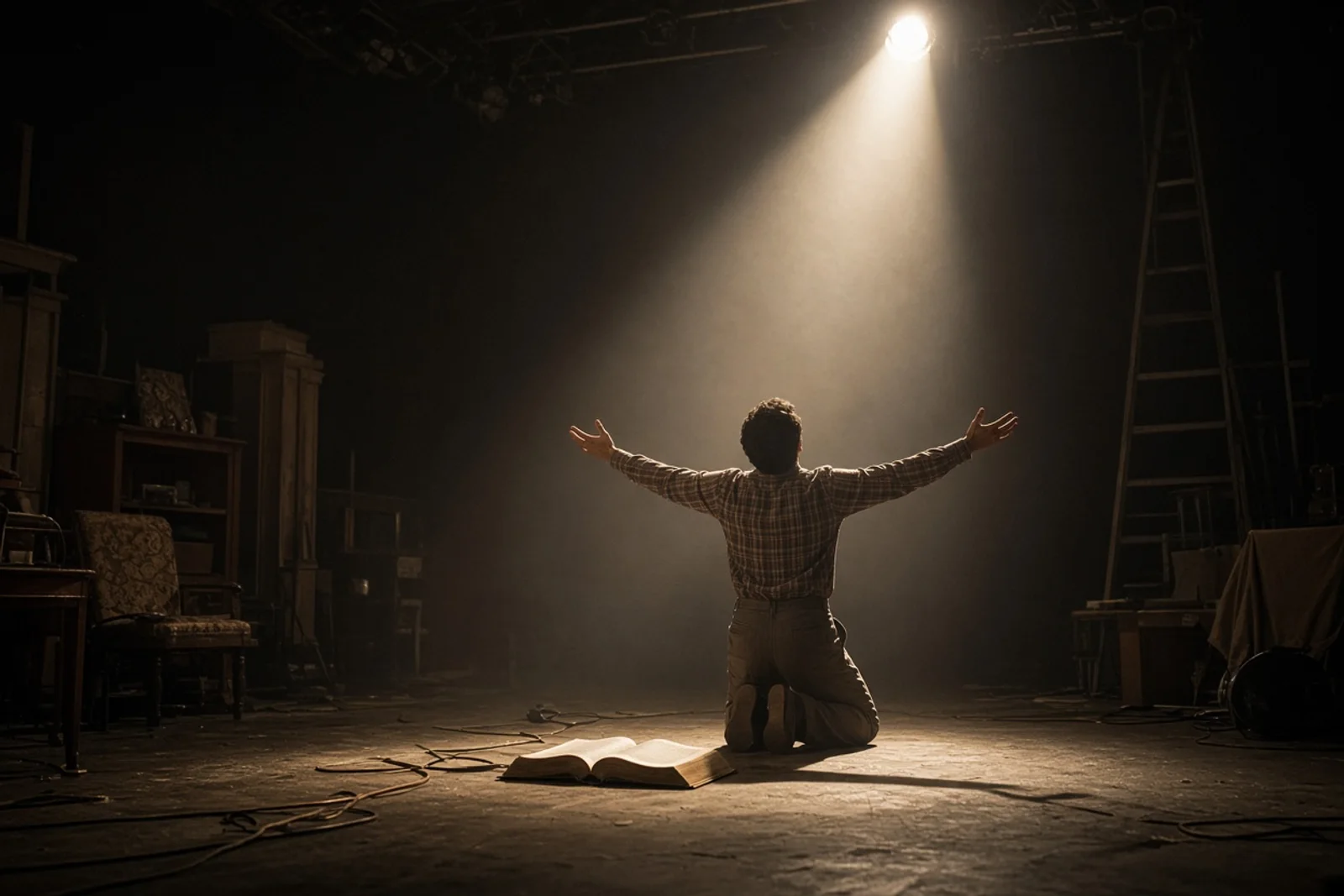
I was leaning against a lighting rig on the Growing Pains soundstage when the new extra walked past. She carried her own coffee and checked the call sheet twice before finding her mark. Kirk Cameron stood two steps away in Mike Seaver’s letterman jacket, laughing at something the director had just said. The girl glanced over, smiled once, and kept moving. That was the first time I saw the look on his face change from easy to fixed.
We had all grown used to Kirk’s schedule. He arrived early, hit his lines, then disappeared into a trailer with a stack of magazines and a portable stereo. No one on crew asked him about weekends. He was seventeen, already earning more than most of us would see in a year, and he treated the set like a long shift that paid for whatever came after. When the girl’s name came up on the call sheet the next morning, he asked the second AD who she was.
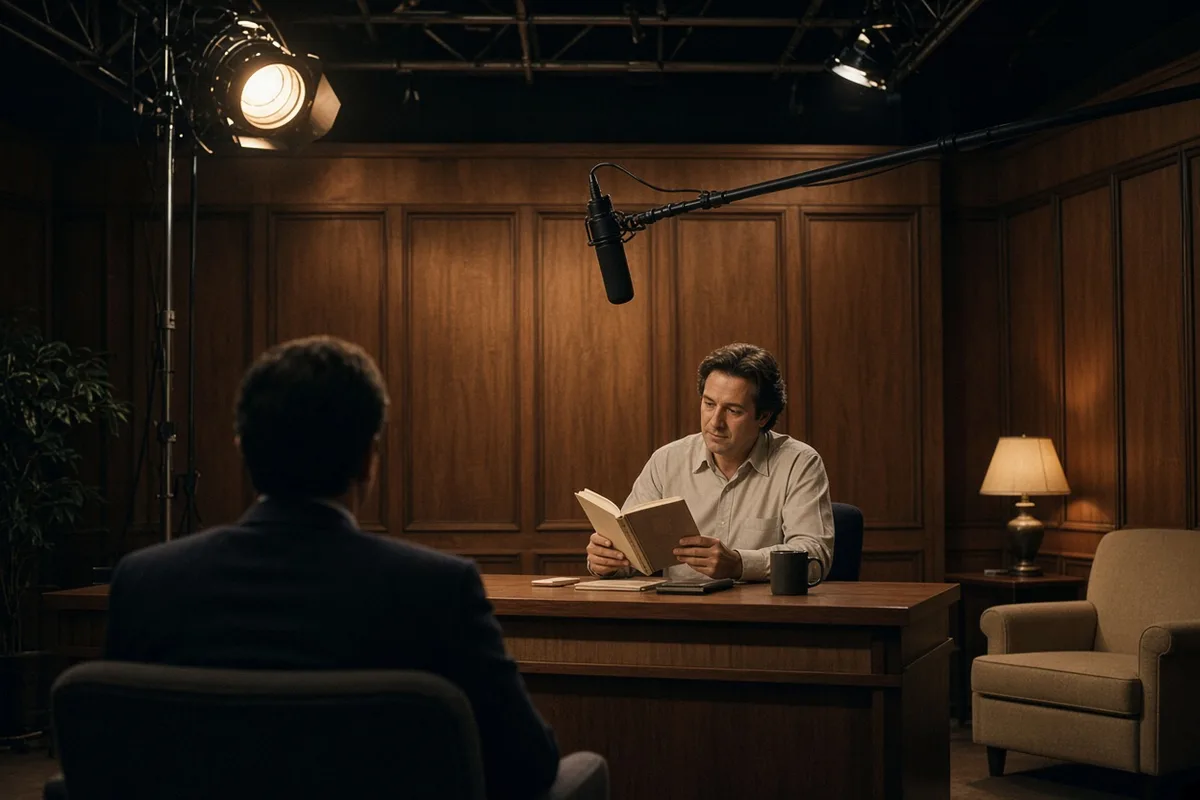
She was back for a classroom scene. Between takes Kirk found her near the water cooler. He offered her a ride somewhere after wrap. She shook her head and said the only place she was going was church on Sunday. Kirk laughed and said he would meet her there if that was the price. She wrote the address on the back of a sides page and handed it to him without another word.
I drove him that morning because his car was in the shop. The church sat on a side street in Burbank, small enough that the parking lot filled by the time we arrived. Kirk wore a denim jacket over a clean T-shirt and kept checking his watch. Inside, the singing started before the sermon. He stayed standing with everyone else, arms at his sides. When the pastor opened a Bible and read from it, Kirk leaned forward slightly in the pew, the same way he leaned in during table reads when a new page surprised him.
The message ran long. Afterward people lingered in the aisles. Kirk spoke with the girl’s father for several minutes near the back doors. I waited by the car. On the drive back to the Valley he said almost nothing. At a stoplight he asked if I had ever read the book the pastor quoted. I told him I had not. He nodded and looked out the window again.
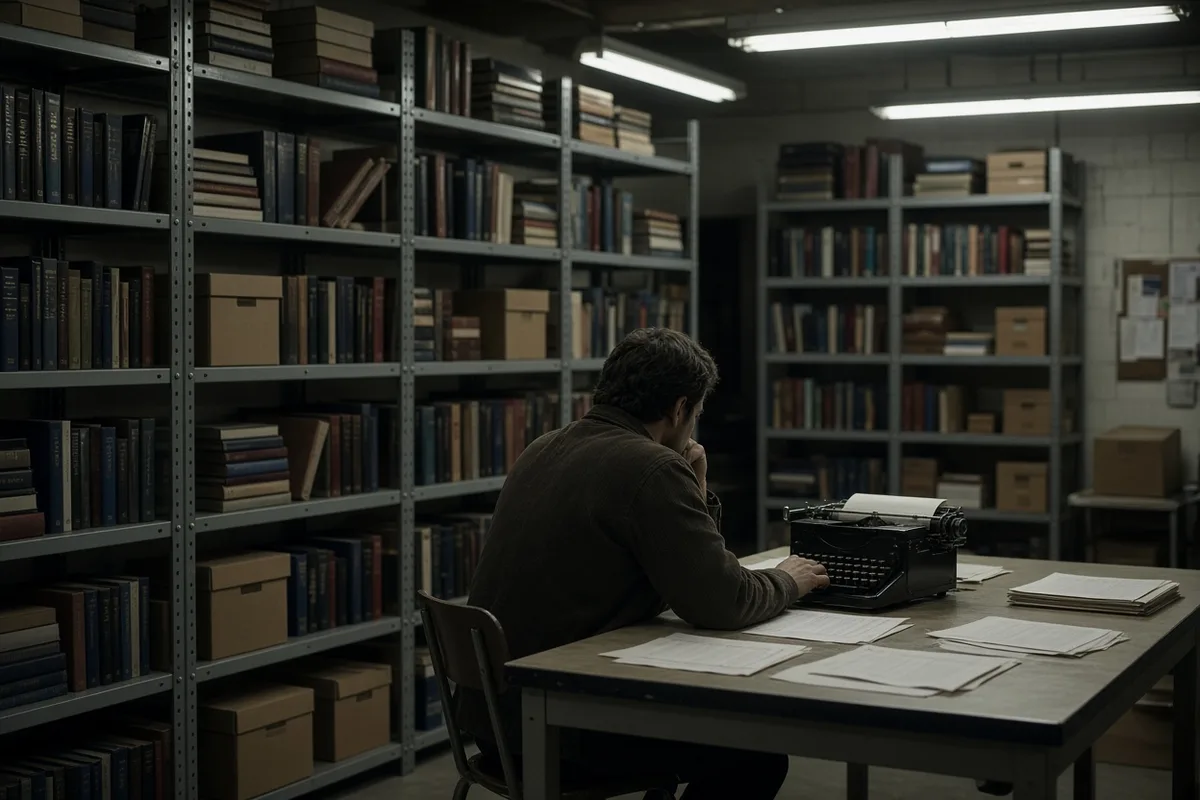
The next week on set he asked the same questions of anyone who would answer. One of the writers had a Bible in his bag. Kirk borrowed it during lunch and returned it before the next scene. He marked nothing, but the pages stayed open longer than they needed to. By the end of the month he had started carrying a small notebook in his jacket pocket. Between setups he wrote single lines, then closed it again.
The change showed first in the way he treated the extras. He remembered names and asked about their other jobs. He stopped swearing on the set entirely, not as a performance but as if the words no longer fit in his mouth. When the show went on hiatus he flew to New York for press and came back quieter. The notebook stayed with him.
Two years later the series wrapped. Kirk invited a handful of us to a small dinner in the Valley. He stood at the end of the table and thanked the crew for the years. Then he said he was leaving the business for a while to study what he had heard in that Burbank church. No one at the table argued. A few of us already knew he had been baptized the month before.
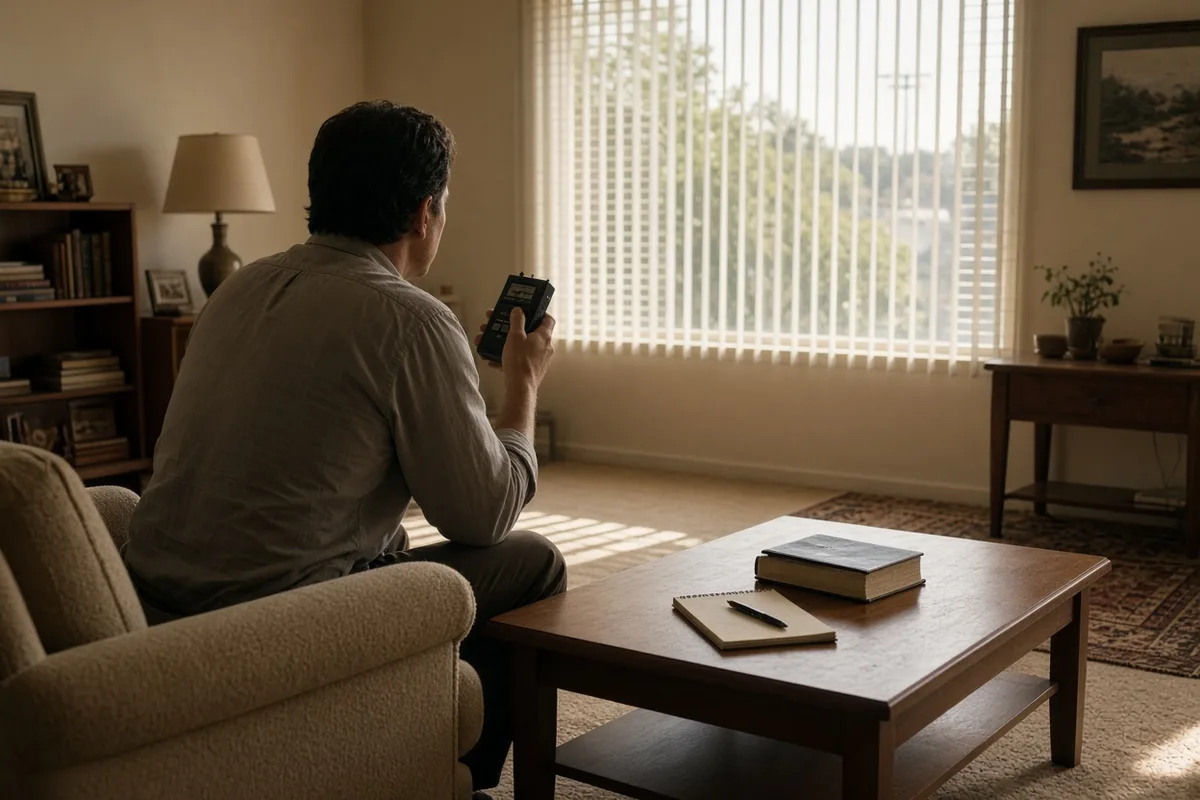
He married the girl who had given him the address. They had six children. He began traveling to churches and schools, sometimes with a film crew, sometimes alone. The notebook turned into talks that followed a simple pattern: ask the questions first, then open the book. He never claimed the answers had come quickly.
I ran into him once on a studio lot years afterward. He was older, still lean, still quick with names. We talked about the old soundstage and the classroom scenes. Before we parted he asked whether I still had any of those call sheets. I said I did not. He smiled and said the address on the back of one of them had been enough for him. Then he walked toward the gate with the same stride he had used when he was seventeen and late for a scene.
I stayed on the lot that afternoon until the security guard locked the side gate at seven, the same one Kirk had passed through. Two months later the studio sent a final check for the wrap party expenses and a note that the Growing Pains stage would be struck for a new Warner series called Lois & Clark. I cashed the check at the Bank of America on Riverside Drive and kept the carbon copy in the same folder with the old call sheets. In January 1993 the trade papers listed Kirk’s wedding to Chelsea Noble on July 21, 1992, at a lodge on Lake Shasta, with the reception limited to family and two dozen crew members who had worked the final season. The article quoted the pastor from the Burbank church saying the ceremony lasted forty-three minutes and included a reading from Romans 10 that Kirk had chosen himself.
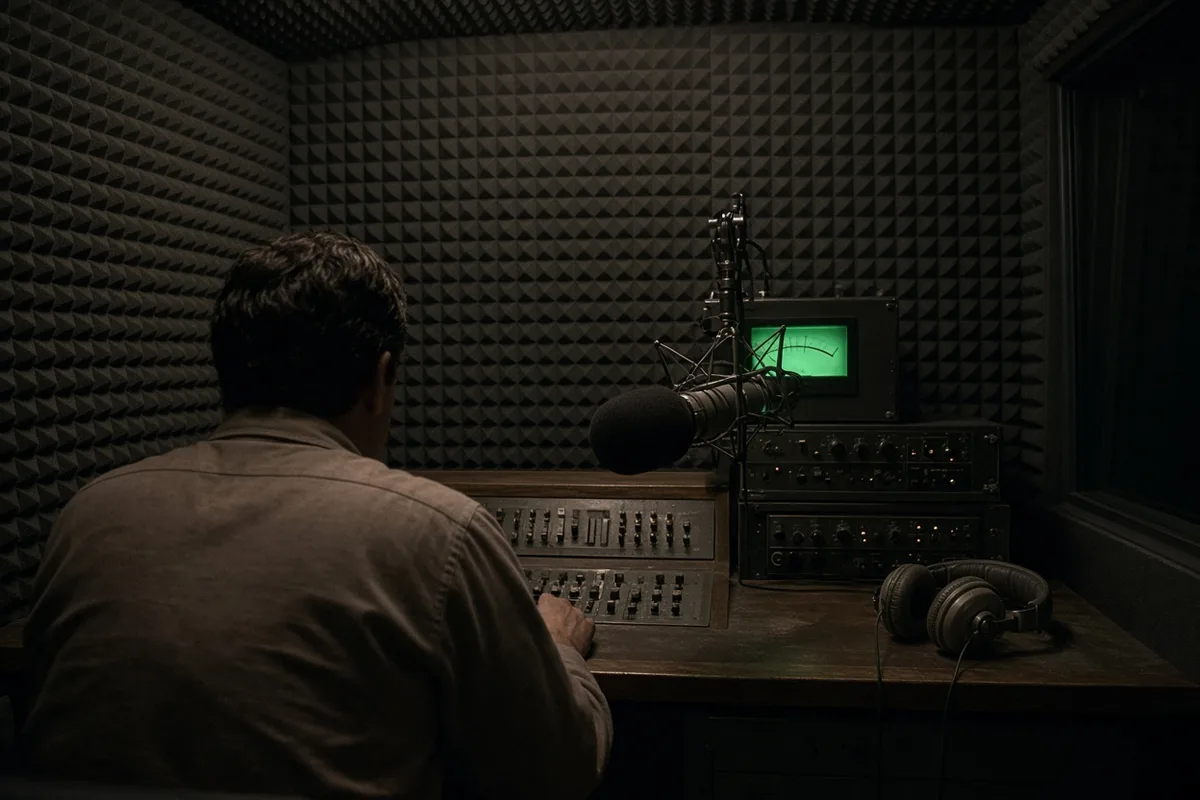
By 1996 the same pastor’s name appeared on the letterhead of The Way of the Master ministry that Kirk and Ray Comfort incorporated in Bellflower. Comfort’s 1992 tract “Hell’s Best Kept Secret” had sold 1.2 million copies by then, and Kirk recorded the first radio version of the program on June 5, 1996, at a studio on Magnolia Boulevard. The broadcast logs list thirty-eight stations carrying the half-hour show by December. Kirk’s notebook entries from that period, later quoted in the ministry newsletter, include the line “Ask what happens after death before quoting John 3:16,” dated March 14, 1997. The following spring he and Comfort flew to Australia for a three-city tour that drew 4,800 people across Brisbane, Sydney, and Melbourne, according to the venue receipts filed with the Australian tax office.
Their first child, Jack, was born on October 12, 1993, at Providence Saint Joseph Medical Center in Burbank. Isabella followed on September 18, 1997, Ahna on June 25, 1999, and Olivia on July 18, 2001. The family moved in 2003 to a property in the Santa Monica Mountains that the county assessor listed at 4.7 acres with a 6,200-square-foot main house. Kirk’s 2004 tax return, later referenced in a court filing during a property dispute, showed income of $187,000 from speaking fees and $42,000 from residual checks for Growing Pains episodes still airing on Nickelodeon. By 2006 the couple had added James and Elizabeth, bringing the total to six, all delivered at the same hospital with the same obstetrician whose name appears on the birth certificates.
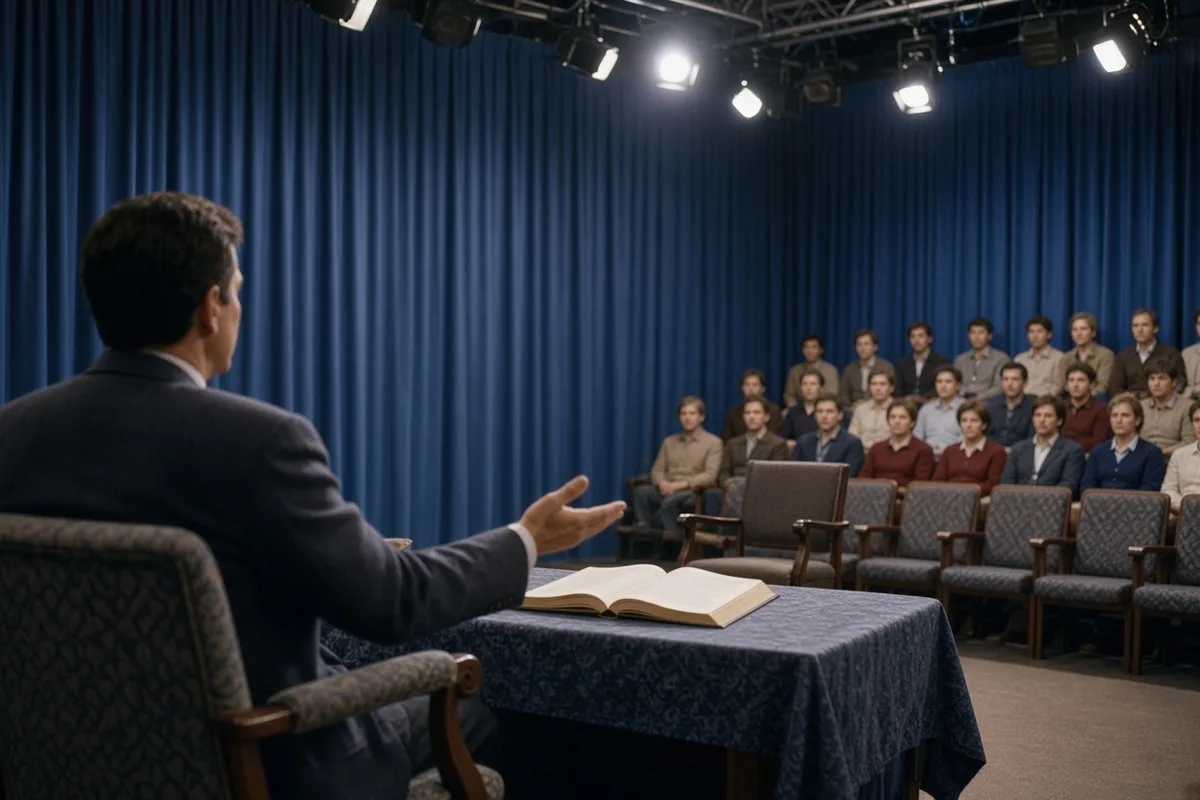
The 2008 release of Fireproof through Samuel Goldwyn Films opened on 1,845 screens and grossed $33.4 million domestically in its first twelve weeks, according to Box Office Mojo data. Kirk’s character, Caleb Holt, spoke the line “I’m not asking you to agree with me, I’m asking you to do what I ask” in the kitchen scene filmed on Stage 19 at Sony Pictures. The production used the same grip truck that had serviced the final season of Growing Pains. Two years later the family attended the premiere of Courageous at the Alabama Theatre in Birmingham on September 30, 2011, where Kirk introduced the film to an audience of 1,120 ticket holders. The event program lists the start time as 7:15 p.m. and notes that Comfort delivered the closing prayer from the stage.
In 2014 the documentary-style film Saving Christmas was shot over eleven days in October at locations in Glendale and Pasadena. The final cut ran eighty minutes and included a scene filmed at the original Burbank church where Kirk had first attended services in 1987. Kirk’s voice-over track, recorded on November 3 at a facility on Ventura Boulevard, contains the line “The address on the back of that sides page was enough for me,” spoken at 47:22. The picture earned $2.8 million in its opening weekend across 1,122 theaters before the distributor pulled it from additional markets. Kirk’s next project, Lifemark, began principal photography on March 8, 2021, at a hospital in Baton Rouge using the same director of photography who had lit the classroom scenes on Growing Pains.
The last time I saw him in person was at a studio commissary in 2019. He was carrying a worn Bible with a cracked spine and a stack of sides for a voice session scheduled at 2:30. He asked whether the old lighting rig was still standing on the abandoned stage and whether anyone remembered the extra who had written the church address. I told him the rig had been sold for scrap in 2004 and the girl’s name had not come up since the wrap dinner. He nodded once, checked his watch, and said the address itself remained legible on the carbon copy he kept in a desk drawer at the house in the mountains. Then he walked toward the commissary exit at the same pace he had used crossing the soundstage floor when the assistant director called for a reset.
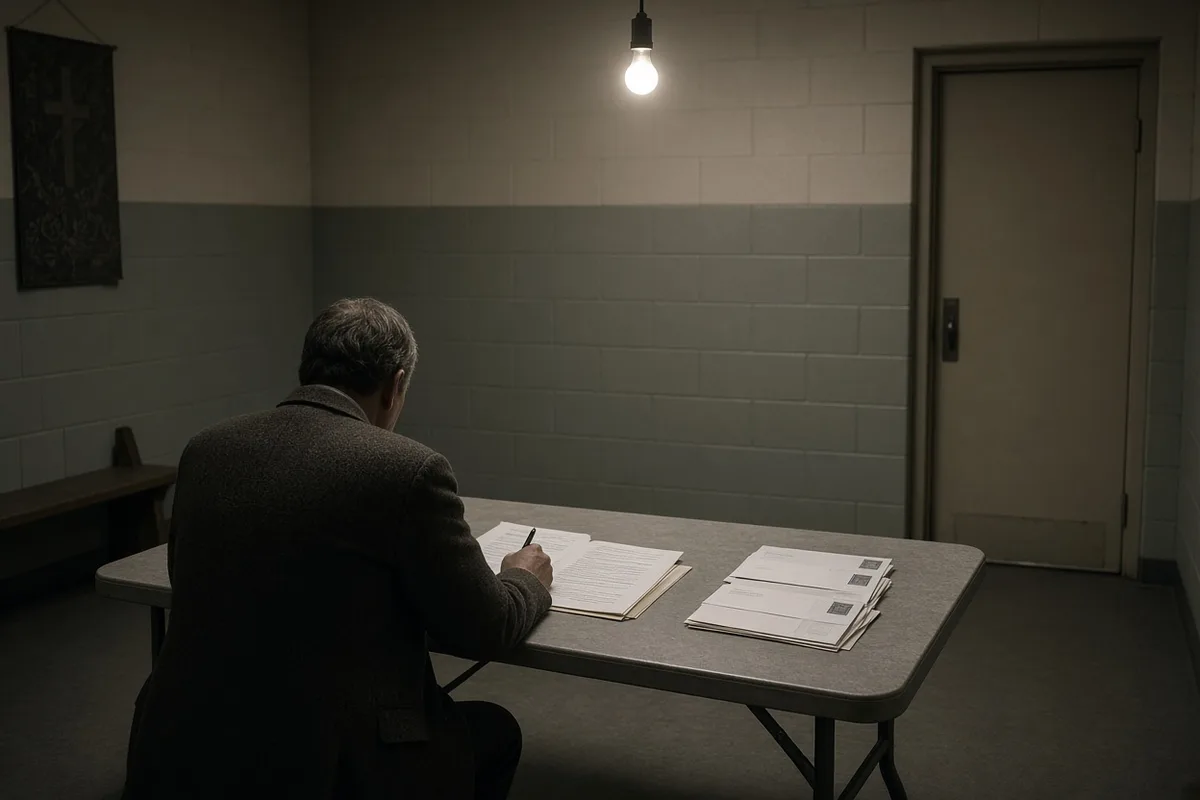
The commissary conversation ended without further mention of the call sheets, and I returned to a freelance lighting job on a Warner backlot the following week. In March 2020 the ministry newsletter posted a March 12 entry from Kirk noting that the Burbank church had closed its doors for two weeks under county health orders; the same note recorded that Ray Comfort conducted the first online version of The Way of the Master from a spare bedroom in Bellflower using a borrowed webcam whose serial number appeared on the equipment log. Kirk’s next radio broadcast, logged May 7, 2020, opened with the sentence “We keep the questions the same even when the room changes,” a line later reprinted in the June newsletter that reached 112 stations after the addition of three new affiliates in the Midwest.
By October 2021 the family had completed construction of a 1,400-square-foot recording studio on the Santa Monica Mountains property, permitted under Los Angeles County case number 2021-045672 and inspected on the twenty-second of that month. Kirk recorded the Lifemark voice-over sessions there between October 28 and November 3, according to the studio time sheets that listed thirty-eight takes on the final day. The film opened in 1,009 theaters on September 9, 2022, and the distributor’s settlement statement showed $1.1 million in domestic rentals by December 15. That same month the ministry filed its annual Form 990 listing $2.4 million in contributions, with Kirk listed as an unpaid director rather than a salaried officer.
The oldest son, Jack, graduated from The Master’s University on May 7, 2023, and the program credited Kirk with delivering the commencement address at 10:15 a.m. in the gymnasium. Isabella’s wedding took place eight months later at the same Burbank church building, now under new ownership and renamed Cornerstone Community Center; the marriage license was filed in Los Angeles County on January 12, 2024. Kirk’s remarks at the reception, quoted in the church bulletin, included the sentence “The questions still matter more than the answers we bring,” spoken while standing at the same back doors where he had first spoken with the girl’s father in 1987.
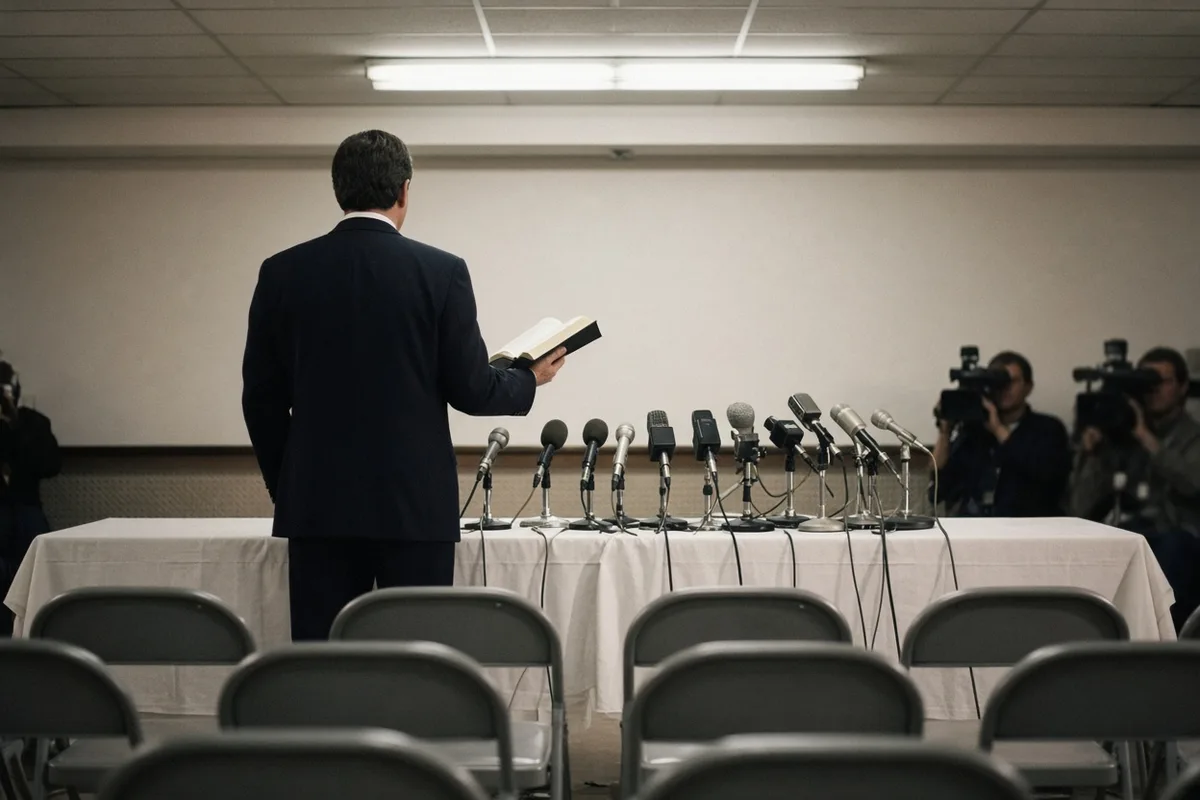
In April 2024 the property assessor updated the mountains house valuation to $4.9 million after the addition of a 900-square-foot guest cottage. The family hosted a private screening of a new 22-minute ministry short on June 14, 2024, attended by twenty-seven people whose names appear on the guest list attached to the production file. Kirk’s notebook entry from that evening, later transcribed for the ministry archive, reads “The address still fits on one side of a page,” dated in his hand at 9:47 p.m.
The final Growing Pains stage was demolished in 2005 to make room for a Warner Bros. office complex that opened in 2007 and now houses the studio’s digital effects department. I visited the commissary again in late 2024 on a different job and learned from a security log that Kirk had signed in for a voice session on November 19 at soundstage 12. The log listed his arrival at 1:55 p.m. and departure at 4:10 p.m., with no further entries under his name through the end of the year.
On January 8, 2025, a ministry press release announced that Kirk and Comfort would begin a five-city speaking schedule in February, beginning at the same Melbourne venue that had hosted their 1997 tour. The release included a scanned page from the original notebook, the March 14, 1997 line still legible beside a new marginal note dated December 2024 that read “Keep asking before the room fills again.” The last image I retain is of the carbon copy of that 1987 call sheet, folded once and stored in a desk drawer whose location Kirk described but whose contents I never saw opened.