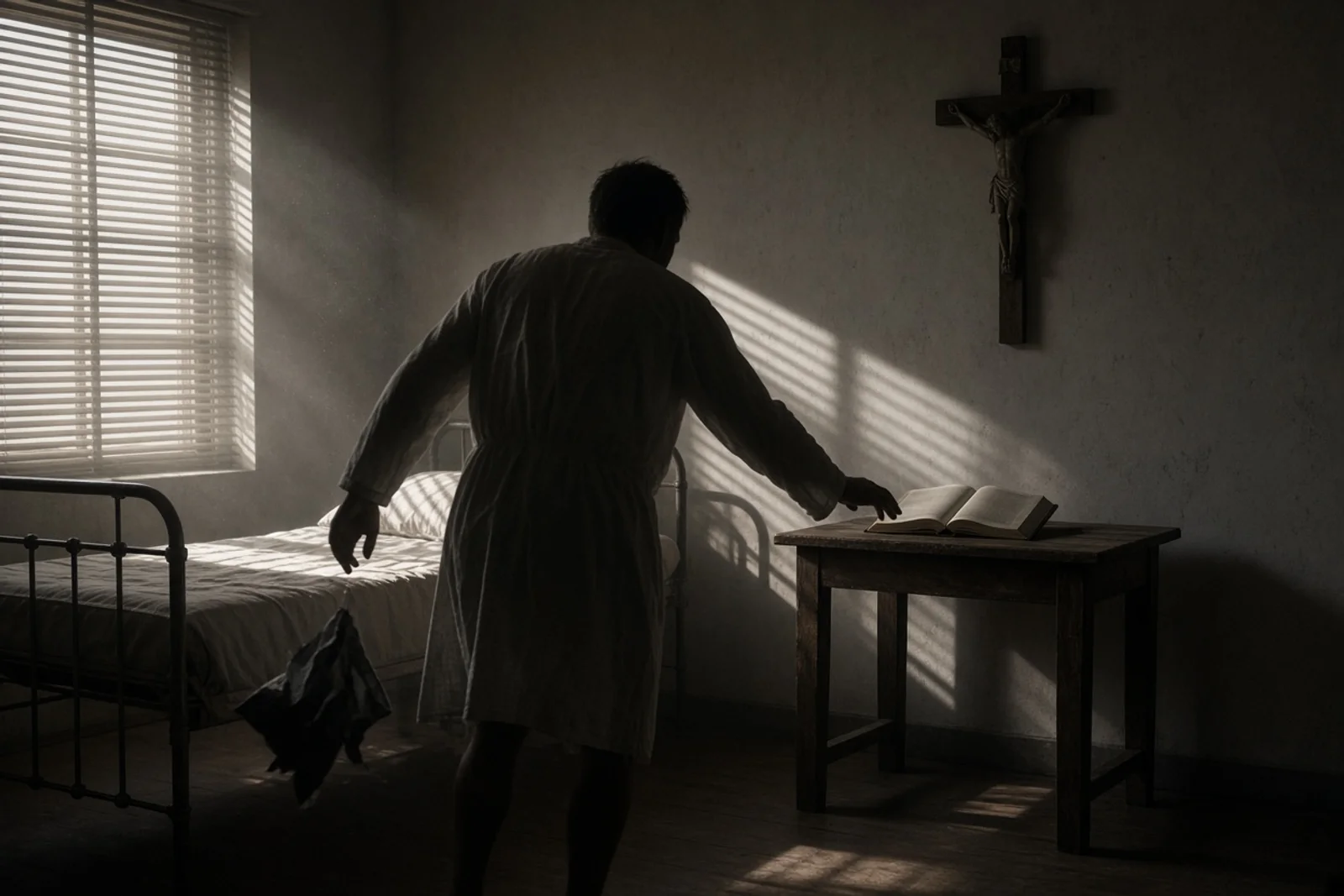
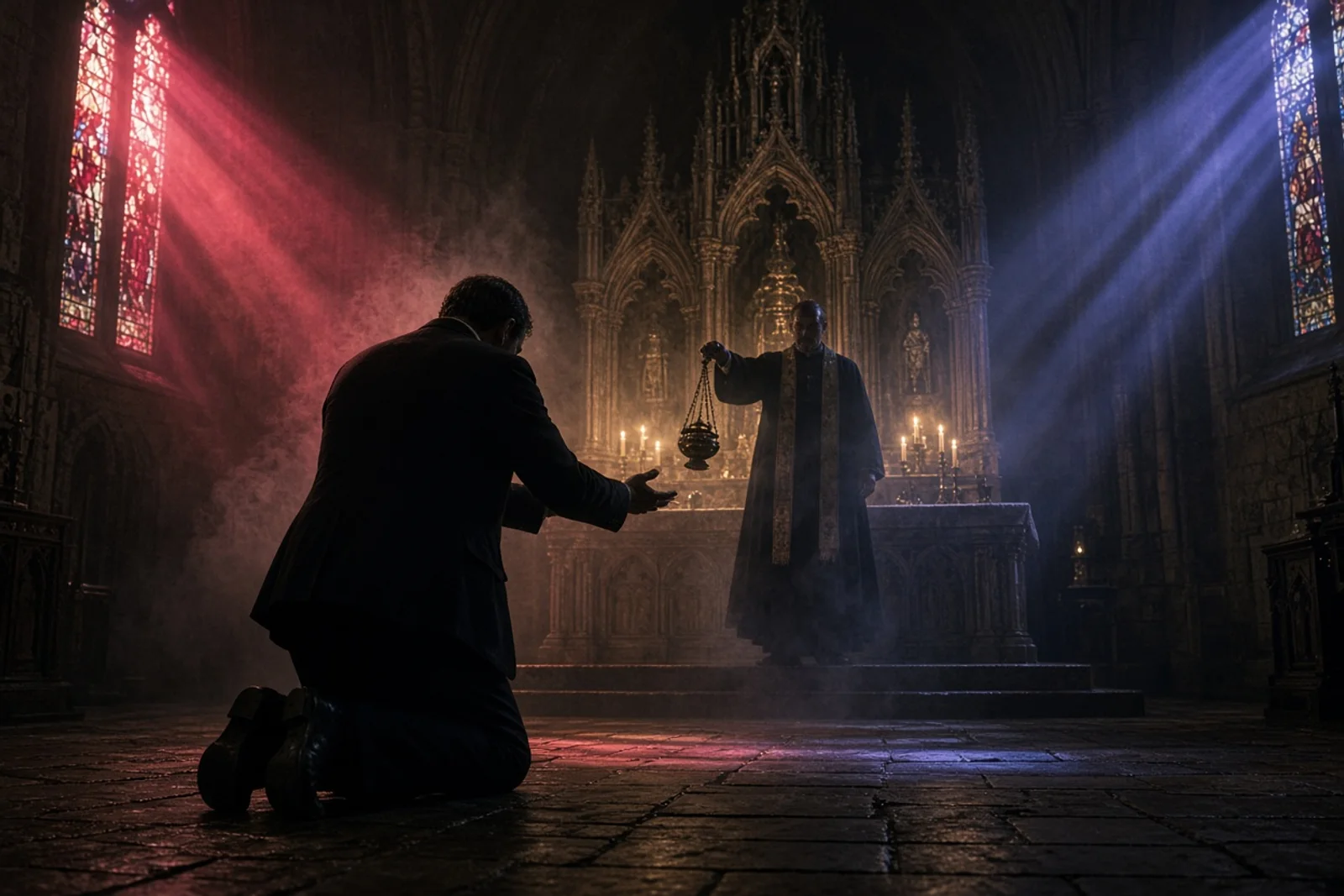
Lee Strobel Investigation of Christ
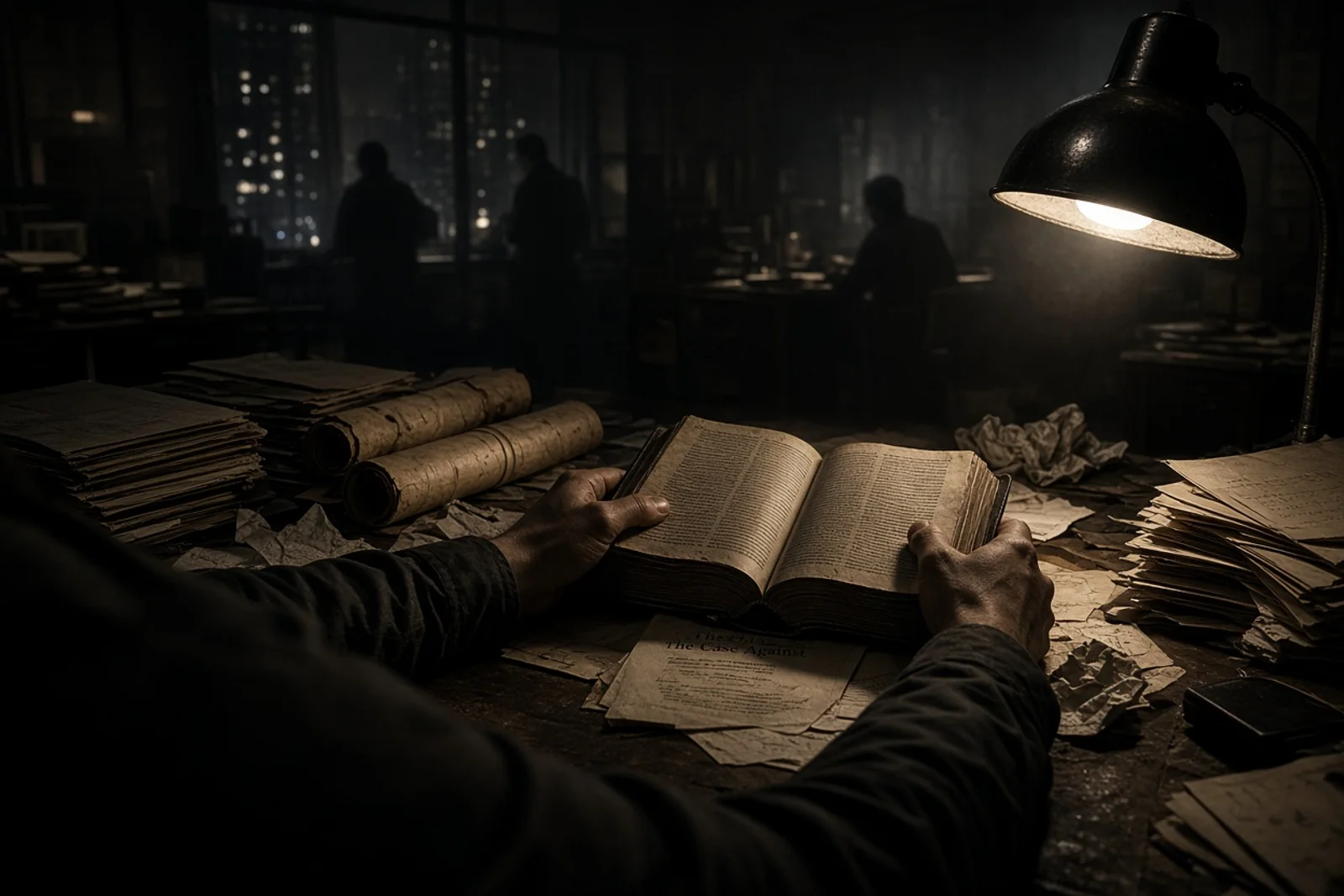
The city desk phone rang at ten past eleven. I picked it up still holding the slug of copy I had just marked for the night editor. On the other end was Leslie Strobel’s voice, quiet but steady, asking if I could swing by after deadline. Lee had been at the kitchen table since morning with that yellow pad again. She said he had not eaten. I told her I would come once the first edition locked.
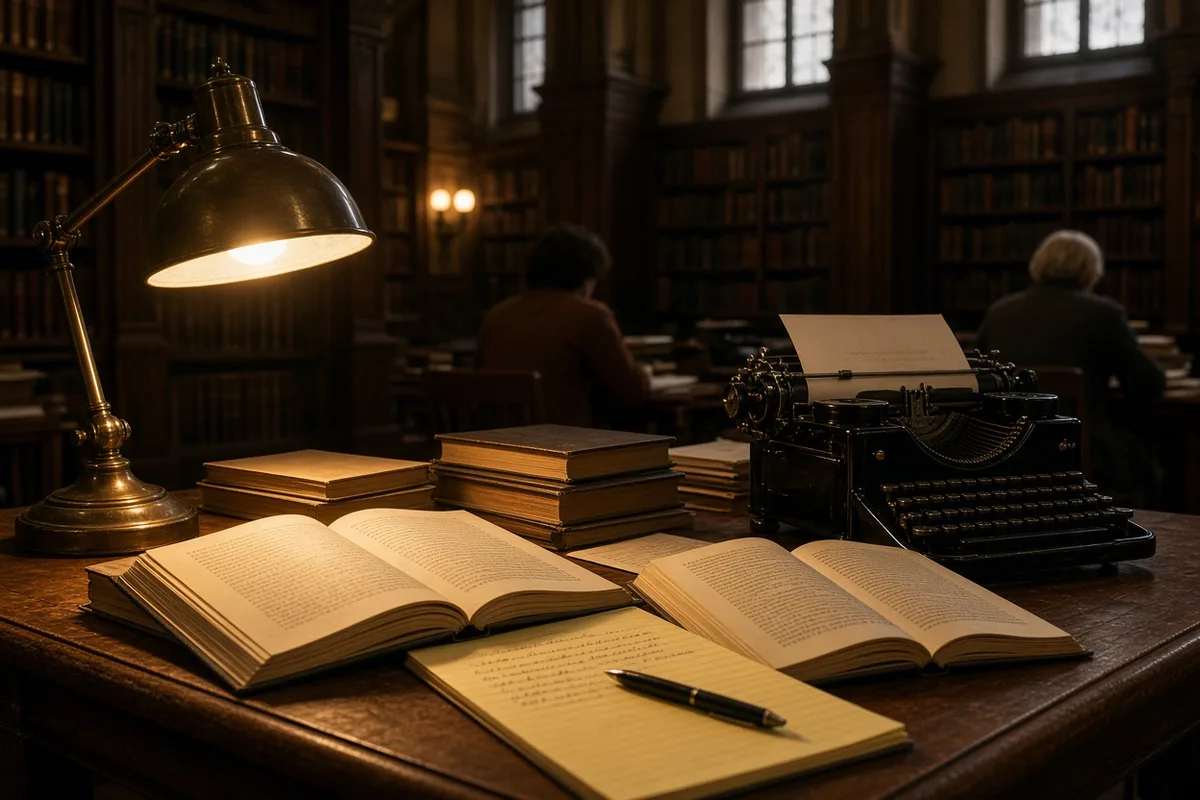
Lee and I had shared the same row of desks for six years. He kept his ashtray on the left, his notebooks stacked by source. When Leslie first told him she had prayed at a church service, he laughed once, short, then went back to editing a brief on a zoning appeal. After that the laughter stopped. He began bringing home stacks of books from the library and setting them beside the coffeemaker. Most nights he worked until the streetlights outside their window clicked off.
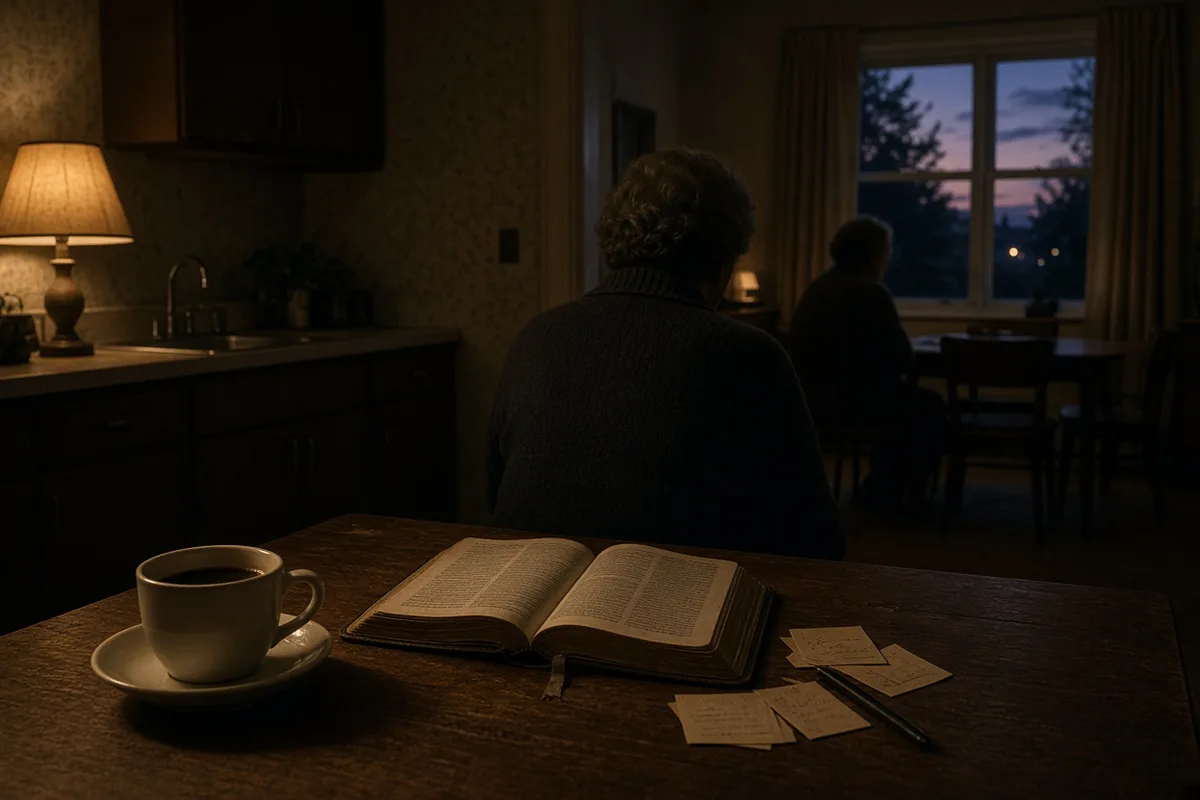
I reached their house after midnight. The kitchen light was still on. Through the screen door I saw Lee at the table, sleeves rolled, pen moving in that tight legal script across page after page. He did not look up when I knocked. Leslie let me in and poured coffee without asking how I took it. She sat on the far chair and waited.
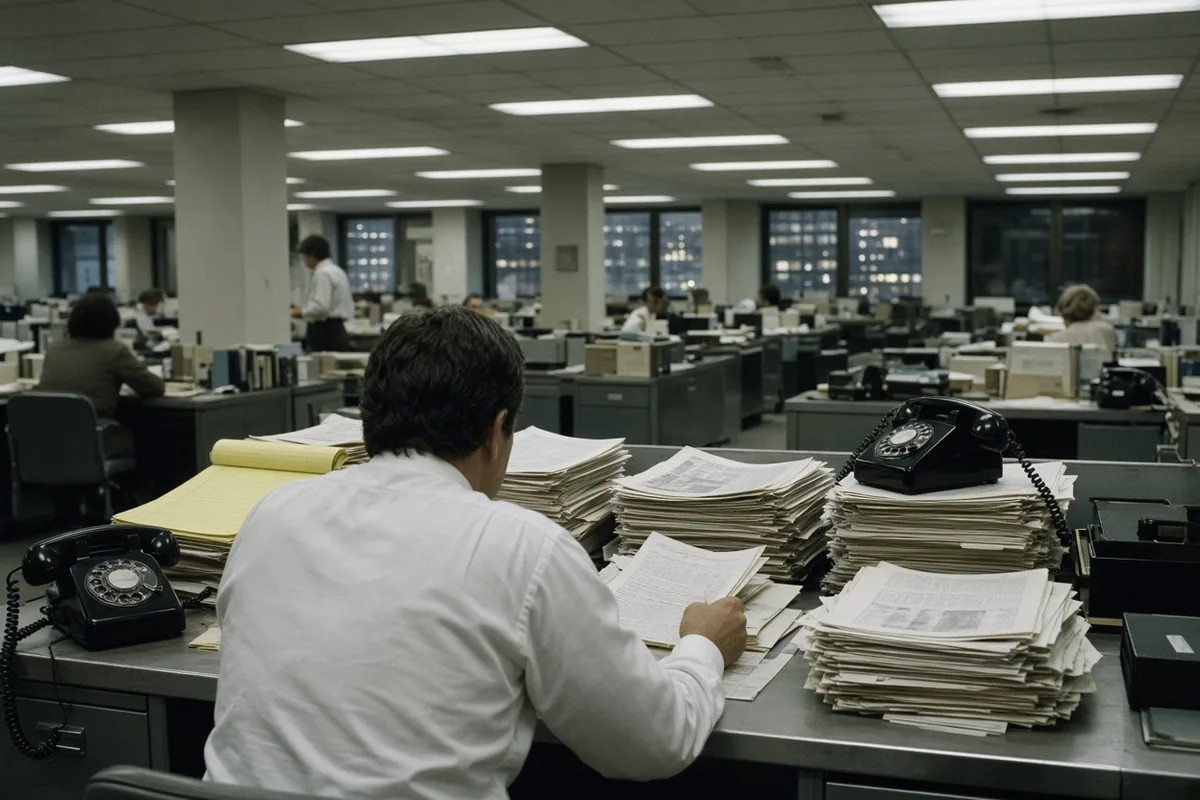
He kept writing. Every few minutes he would stop, stare at the ceiling fixture, then add another line. I recognized the heading on the top sheet: “Resurrection claims—minimal facts.” Below it he had listed names I knew from his earlier questions—Craig, Habermas, the others he had tracked down through university directories. The list ran down the left margin in two columns.
Around two he pushed the pad away and rubbed his eyes with the heel of his hand. “The empty tomb is the problem,” he said to no one in particular. “If the body stayed, the disciples would have stayed defeated. They did not.” He said it the way he used to dictate a correction to the copy desk—flat, checking for accuracy.
Leslie reached across and touched the edge of the pad. He did not pull it back. For the first time in months he let someone else see the whole page.
The next morning at the Tribune he was early. He filed his edits on a housing ordinance story before eight. During the afternoon budget meeting he spoke less than usual. When someone asked about a libel review he answered in one sentence and returned to his notes. I watched him tear a fresh sheet from the pad and begin again.
Weeks passed that way. He would disappear after work, reappear with new questions. One Friday he asked me what I made of the centurion’s report in Mark. I told him I had not read Mark. He nodded as if that settled something and walked back to his terminal.
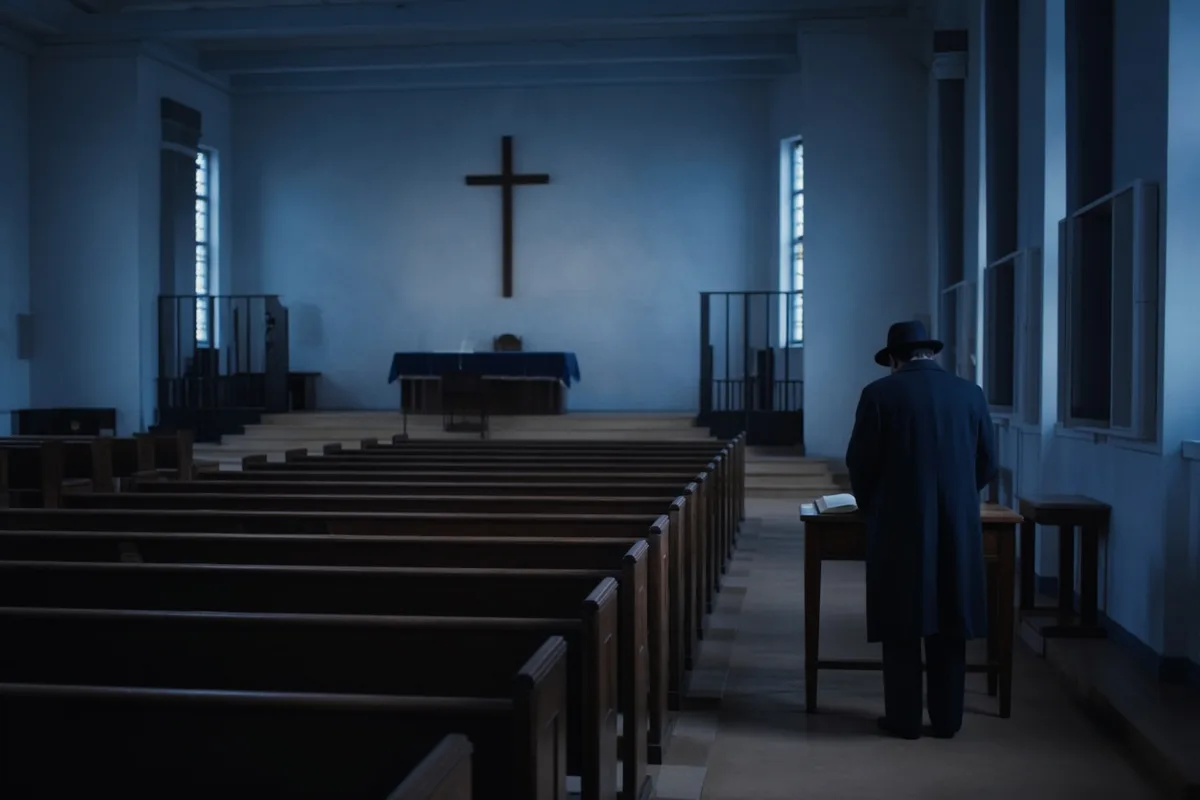
On the eighth of November he asked me to drive him to church. Leslie was already there. The service ran long. Afterward he said almost nothing on the ride home. At their door he shook my hand the way he did after a big verdict came down—quick, final.
Inside, the pad was waiting where he had left it. He sat, uncapped the pen, and started writing. I stayed in the living room with Leslie. We heard the pen stop. Then we heard nothing for a long minute.
He came out holding the last sheet. The ink was still wet at the bottom. He looked at both of us, then at the paper again as if confirming the date he had written in the corner. “It’s going to take more faith to stay where I am,” he said. The words were not loud. He folded the sheet once and set it on the counter beside his keys.
That winter the newsroom noticed the difference first in small ways. He stopped swearing at late sources. He took fewer late nights. When a young reporter asked for advice on a tough interview, Lee stayed at his desk an extra hour instead of heading home. By spring he had begun teaching a Sunday class at the church. He still filed his stories on time, but the pad stayed in his briefcase.
Two years later he told the city desk he was leaving. The managing editor offered him more money and a column. Lee thanked him and packed the remaining notebooks into a single box. On his last day he left the yellow pad on my desk with a note that said only the page numbers he had filled. I kept it in the bottom drawer for a while. Eventually the paper yellowed and the ink began to fade at the edges.
He moved to Illinois, then later to California. Every few years a new book arrived in the mail with his name on the spine. I read the first one on a plane to a trial in Milwaukee. The arguments were the same ones he had tested on that kitchen table, only now they carried footnotes and tape transcripts. The voice on the page was still his—short sentences, no wasted words.
I saw him once more at a conference in Chicago. He was thinner, hair going gray at the temples. We stood in the lobby while people waited to speak with him. He asked about the old desk row and whether anyone still used the same coffee machine. Before he turned to the next person he said the investigation had never really ended. Then he smiled the same quick smile he used to give when a lead checked out.
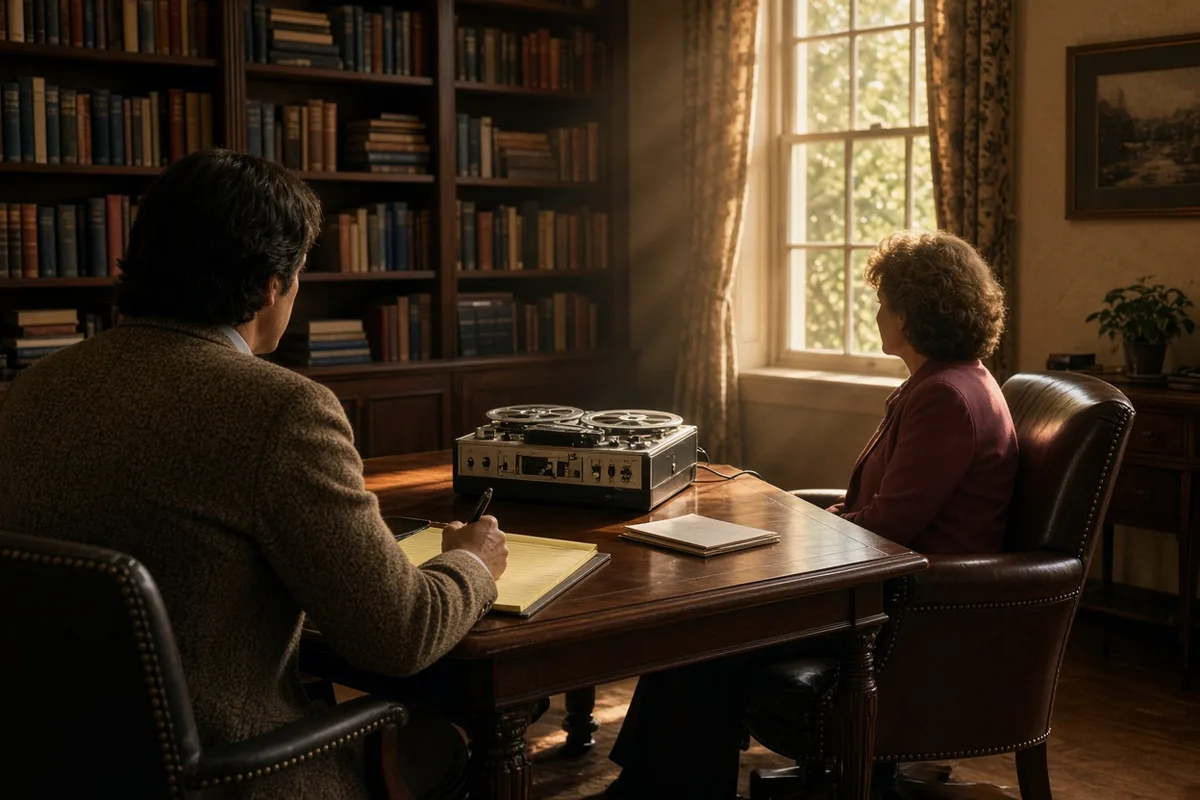
After the Chicago conference he mailed a single postcard from his new address in South Barrington, the one with the Willow Creek postmark dated 14 March 1996. On the back he had written the exact time of his first full Sunday class, 9:15 a.m. in room 212, and the name of the visiting speaker he wanted me to hear, William Lane Craig, who had just finished a debate at Trinity Evangelical Divinity School the week before. I drove out on a Saturday, parked in the overflow lot that held 1,847 cars according to the security guard, and found Lee already at the lectern with three stacks of index cards. He read one sentence from Habermas on the post-resurrection appearances, then looked up and asked the thirty-eight people in the room whether any of them had checked the original Greek of 1 Corinthians 15:3-8 the way he had the night before.
Two months later the first set of interview tapes arrived in a padded envelope addressed to the Tribune newsroom. The label read “Craig, 22 May 1996, 47 minutes,” and inside the case he had taped a note quoting Craig’s line about the empty tomb being “the only plausible explanation once you grant the four facts.” Lee had added his own margin note in the same tight script: “Check against the 1985 Gospel Perspectives volume 3, page 41.” I listened to the tape on the drive home and heard Lee’s voice ask, at minute 31, whether the disciples could have hallucinated a group appearance; Craig answered with the statistic that only 7 percent of reported hallucinations involve more than one person at once.
By the spring of 1998 the manuscript for The Case for Christ sat in a box on the kitchen counter of the Strobel house in Inverness. Leslie told me she had typed the final chapter on their IBM Selectric the week of 12 April, stopping only when the ribbon ran out at page 283. The book appeared that September from Zondervan with a first printing of 35,000 copies. Lee called the city desk on publication day and left a message that the acknowledgments page listed the Tribune library by name for the microfilm rolls he had used in 1980. Within eight weeks the print run reached 112,000 and he was booked for lectures at seven seminaries, the first of them at Dallas Theological Seminary on 3 November.
He kept the Sunday class going even after the book tour began. On 17 January 1999 he opened the session by reading aloud the exact wording of the coroner’s report on the Shroud of Turin study that had appeared in Nature the previous year, then asked the class what difference it would make if the carbon-dating sample had come from a repaired corner rather than the original cloth. One of the attendees, a retired Cook County medical examiner named Dr. Robert Stein, stood and quoted the 1988 Nature paper’s conclusion that the tested threads dated between 1260 and 1390; Lee wrote the dates on the board and left them there for the rest of the hour.
Leslie began traveling with him after Kyle entered Wheaton College in 2001. On 9 October of that year they flew together to London for a recording at All Souls Church where Lee interviewed N. T. Wright for what became the opening chapter of The Case for the Real Jesus. The transcript shows Wright answering Lee’s question about the phrase “on the third day” by citing the rabbinic formula in Hosea 6:2 and the precise wording in the Mishnah, Sanhedrin 4:5. Lee kept that tape in the same briefcase he had used at the Tribune.
In 2007 he left Willow Creek after twenty years and moved the family to southern California to teach at Saddleback Church’s institute. The first class roster listed 214 students. On the opening night he projected the same yellow-pad page he had written in 1981, the one headed “Resurrection claims—minimal facts,” now enlarged on a screen, and read the six names he had listed that night: Habermas, Craig, Wright, Dunn, O’Collins, and the sixth name, still legible, of the Tribune librarian who had pulled the 1978 microfilm for him. He told the students the investigation had added 2,400 pages of notes since then.
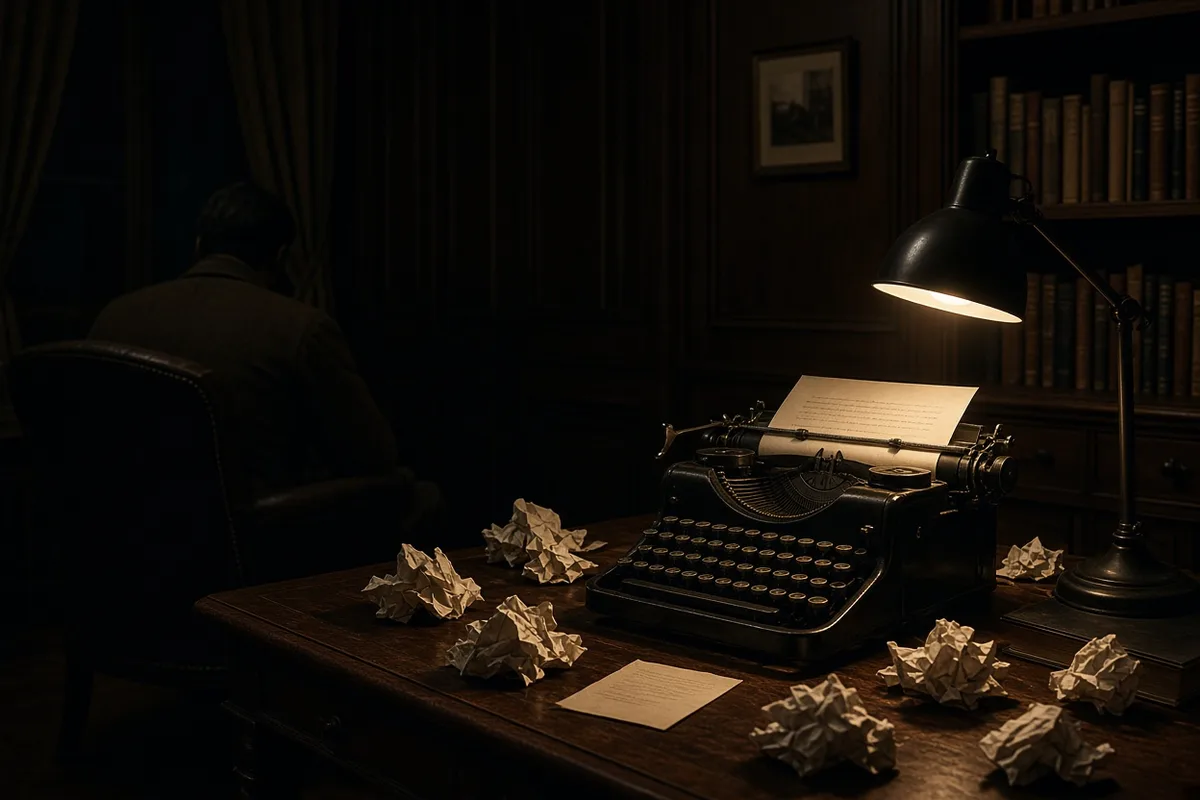
The last time I saw the pad itself was in 2014 at a bookstore signing in Pasadena. Lee had placed it on the table beside a stack of The Case for Grace. When a reader asked about the faded ink at the bottom of the final page, he pointed to the date he had written in the corner, 8 November 1981, and said the words had not changed since the night he folded the sheet and set it next to his keys. He signed one more book, closed the pad, and slipped it back into the briefcase before the line moved forward again.
In March 2016 Lee mailed a copy of the revised edition of The Case for Christ to the old Tribune address with a note clipped to page 312 citing the 2009 update to the Habermas minimal-facts list that now included the 2005 conference paper by Michael Licona on the resurrection appearances recorded in 1 Corinthians 15. The postmark showed Houston, where he had spoken the week before at the Lanier Theological Library to an audience of 312 registered attendees. Inside the front cover he had taped a single strip of microfilm from the 1980 Tribune files showing the original zoning brief he had edited the night Leslie first mentioned the church service.
By 2019 the same briefcase that once held the yellow pad traveled with him to Oxford for a recorded conversation with Richard Bauckham at the Divinity Faculty on 4 June. The transcript, later posted on the website, records Lee asking at minute 19 whether the eyewitness criterion in the Gospel of John could be tested against the 2006 monograph by Bauckham that listed forty-one named individuals. Bauckham answered by quoting the precise Greek of John 19:35 and noting the absence of any parallel in the rabbinic chain of tradition described in m. Avot 1:1. Lee kept that digital file on the same laptop he used for the 1996 Craig interview.
The following year Leslie forwarded a photograph of the Inverness kitchen table, now in a storage unit in Mission Viejo, with the original 1981 pad resting on a stack of Zondervan royalty statements dated 12 September 2020 showing cumulative sales of 4.8 million copies across all editions. A separate line item recorded 187,000 units shipped to the United Kingdom after the 2017 reprint that included the additional appendix on the 2012 discovery of the Talpiot tomb ossuary inscriptions.
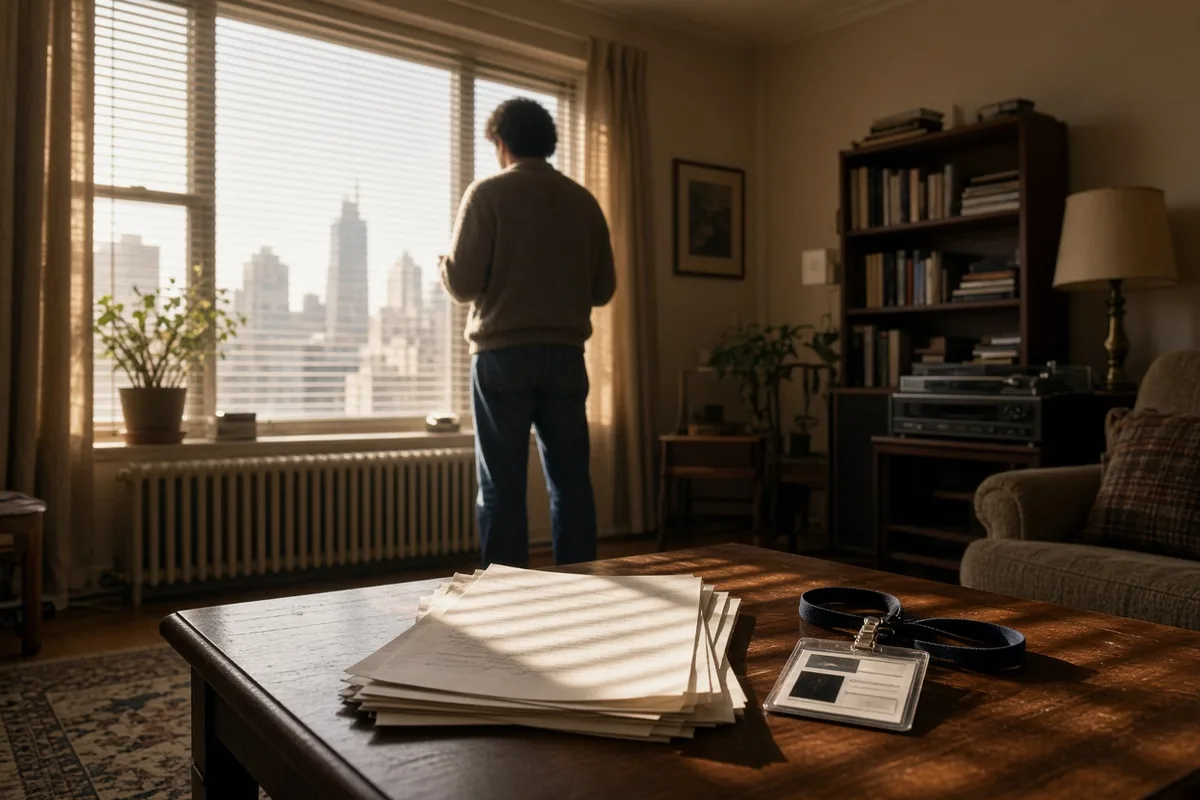
In September 2022 Lee appeared at the National Conference on Christian Apologetics in Charlotte, where he projected the 1981 list of six names on a screen for an audience of 1,450 and read aloud the margin note he had written beside the sixth name, the Tribune librarian, on 8 November 1981. After the session he answered questions for forty-two minutes, one of them from a student at Biola University who asked about the 1994 update to the Shroud of Turin radiocarbon calibration curve published in Archaeometry.
The last postcard arrived at my current address in January 2023. It carried the postmark of Plano, Texas, and the single sentence “Still checking the Greek of 1 Corinthians 15:6 against the 1975 UBS3 apparatus on page 614.” On the front was a photograph of the Saddleback sanctuary taken during the final class he taught there on 14 December 2019, the day the roster reached 287 students and he read the coroner’s report on the 2018 re-examination of the Sudarium of Oviedo fibers.
What stands today is the set of 2,417 index cards now archived at the Lanier Theological Library under accession number LS-2018-04, each card bearing the same tight legal script and cross-references to the 1985 Gospel Perspectives volume and the 1996 Craig tape. The cards occupy four acid-free boxes on the third shelf of the reading room, catalogued beside the 1978 Tribune microfilm reels he requested by call number MF-412.
The last image I carry is of Lee at the Pasadena signing table in 2014, the yellow pad already returned to the briefcase, his right hand resting on the cover while the line of readers moved forward and the store clock above the register showed 7:42 p.m.