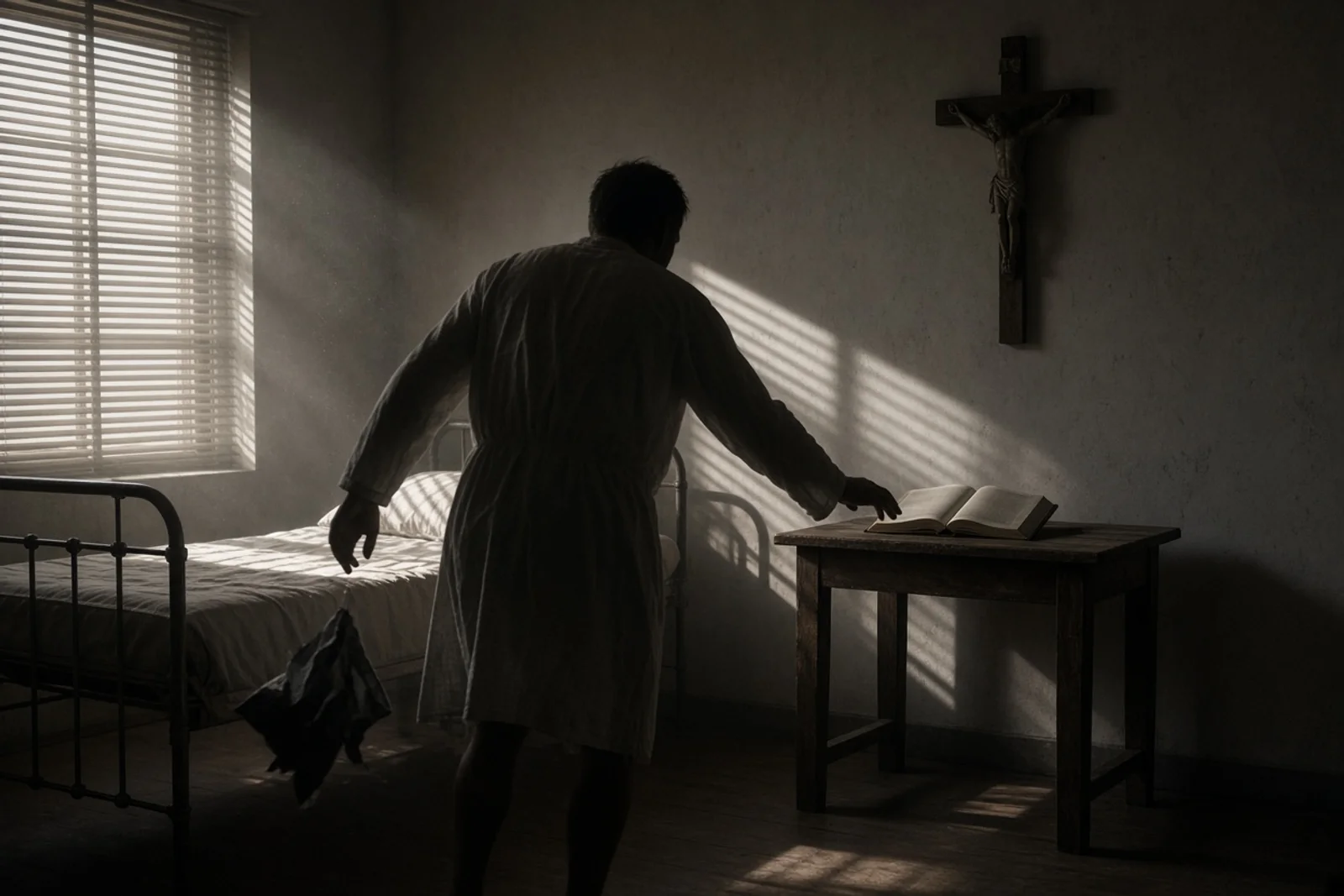
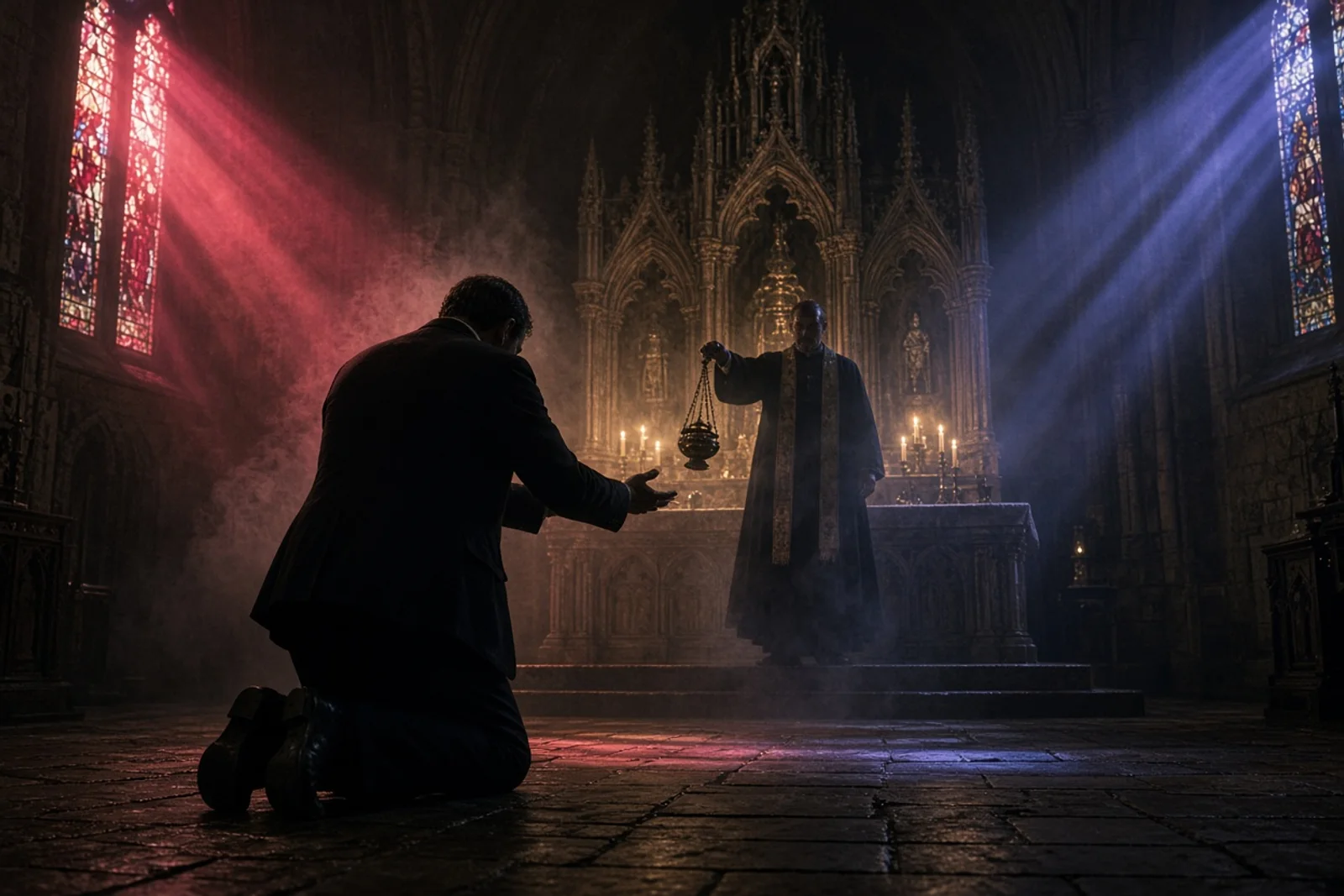
Rosaria Butterfield Academic Conversion
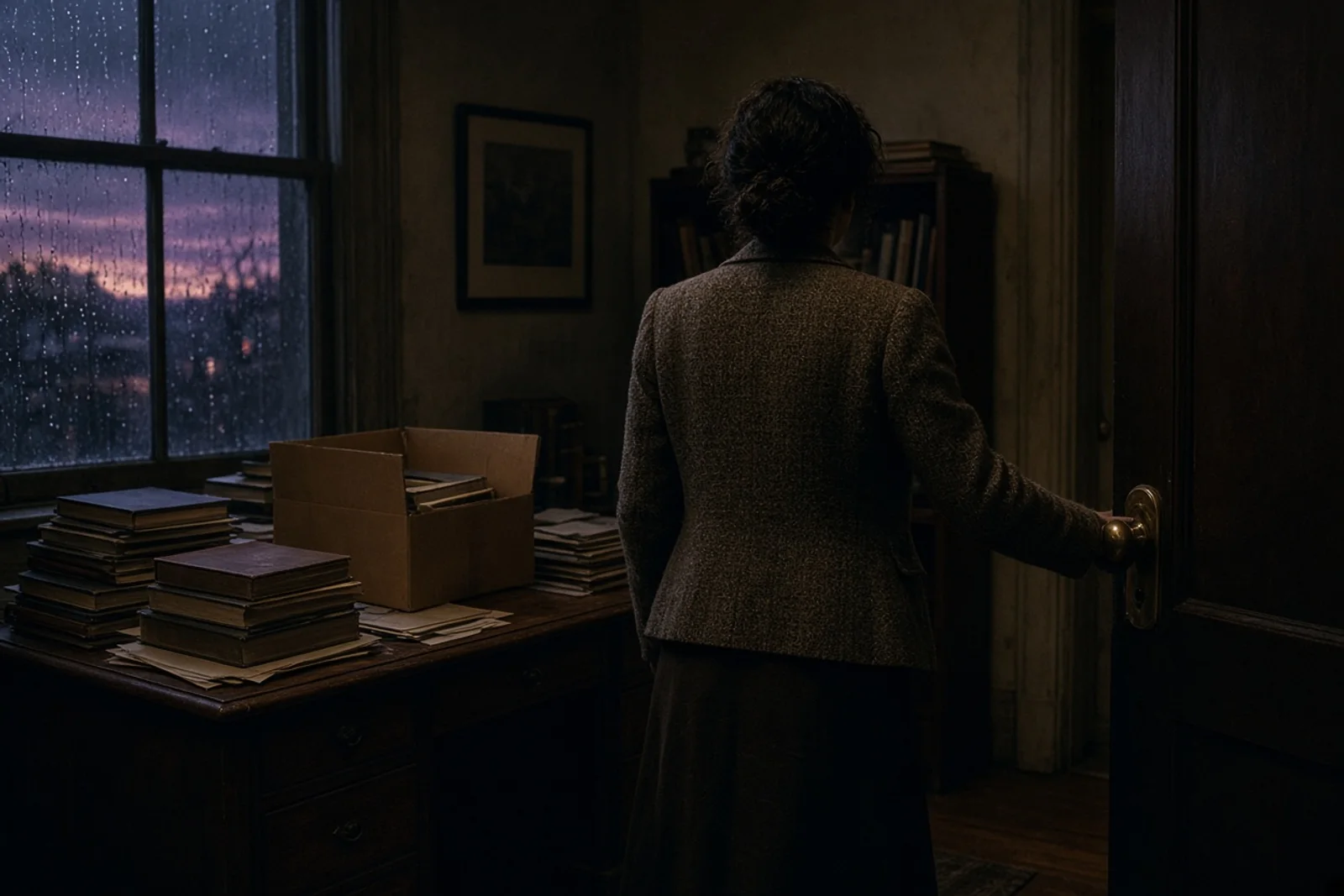
The dining room at Ken and Floyd’s place smelled of roast chicken and the pine they’d cut that morning for the back steps. I set the plates while Floyd stirred the gravy, and the knock came exactly on time. Rosaria stood on the porch with her leather satchel, the one she always carried, and her short hair still damp from the walk over. She handed Floyd a bottle of wine without comment, then stepped inside as if the threshold might give way.
Ken met her in the hallway and asked the same question he asked every Tuesday. How did you arrive at that reading? She answered with another question about the text they had left the week before, and the two of them moved toward the table already arguing, already listening. I poured water and kept the bread basket filled. Across two years the stack of marked Bibles on the sideboard grew taller than the cookbooks.
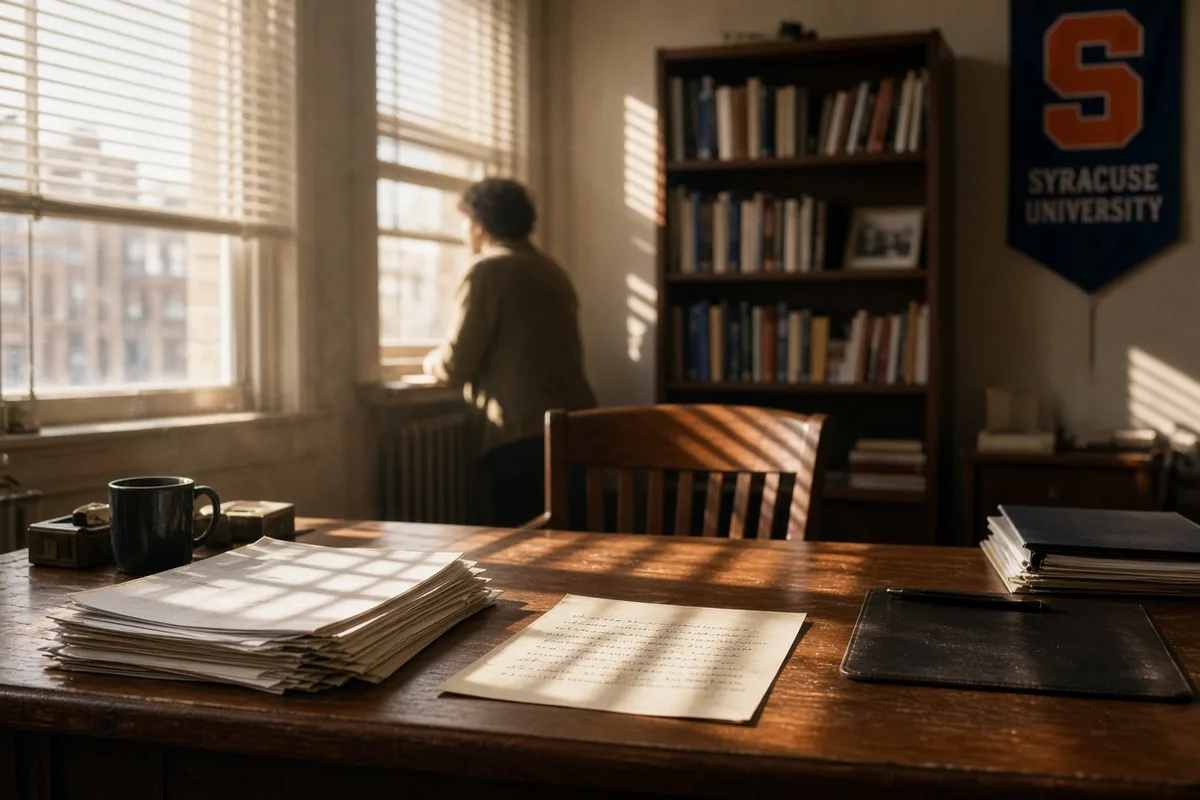
She came alone at first, then sometimes with her partner, though the partner never stayed for the psalm singing. The house stayed warm even when the Syracuse wind found the loose panes. Rosaria would push her plate aside once the meal was done and open her notebook. Ken never raised his voice. Floyd passed the coffee and let the silence stretch until Rosaria filled it.
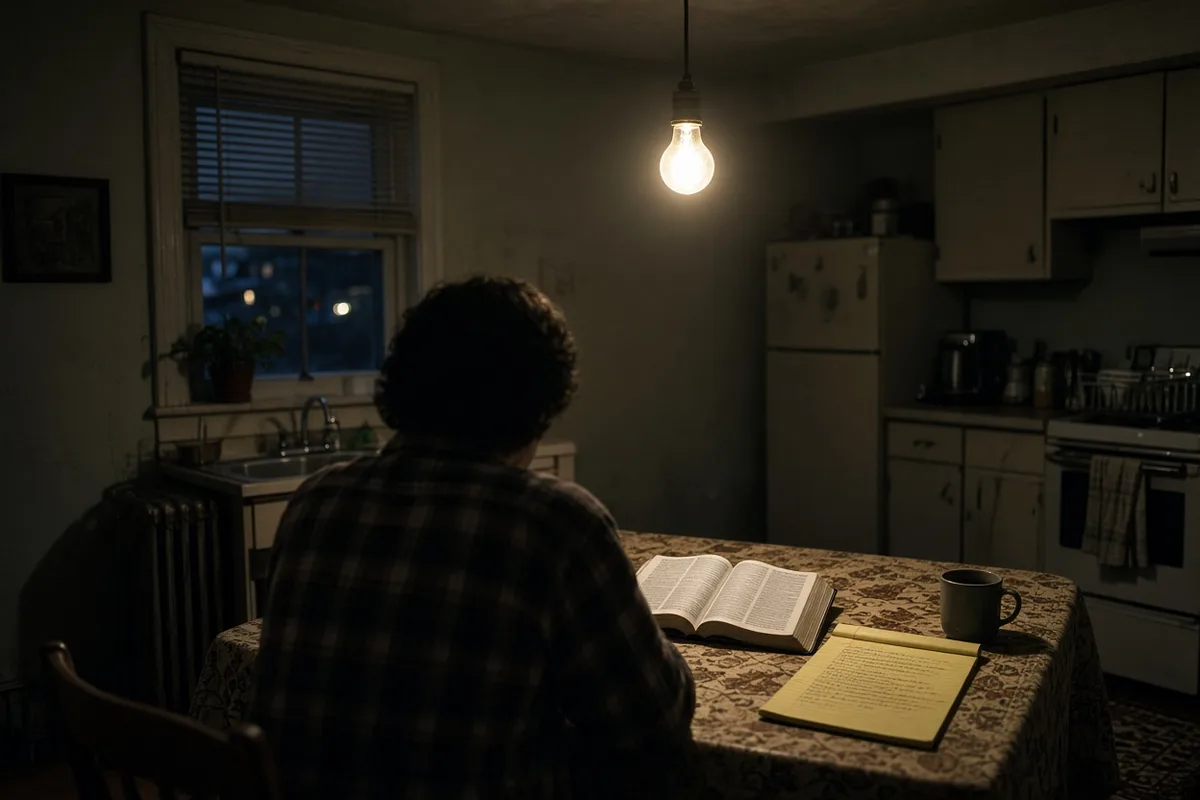
One night the power went out during a snow squall. We lit the oil lamps and read by their light, the words on the page turning the color of old straw. Rosaria traced a verse with her finger and stopped. She asked what it meant for the affections to be reigned over. No one answered right away. The lamp hissed. Outside, a plow scraped the street.
By spring the dinners had become three nights a week. She brought students sometimes, never the same one twice. They sat at the far end of the table and watched her face while she listened to Ken explain the difference between a worldview and a research method. She took notes in the margin of whatever book lay open. Her handwriting grew smaller.
In early summer she stopped wearing the leather jacket. She left it on the hook by the door one evening and did not pick it up when she left. Floyd washed it and hung it in the closet without saying anything. Rosaria never asked for it back.
July came hot. The church basement stayed cool only because the windows were kept cracked. She stood before the elders on a Wednesday night, her hands folded, and answered the membership questions one by one. Her voice did not shake. When she finished, the congregation sang the psalm we always sang at the end of such services. She sang with us, eyes on the book, shoulders straight.
Three weeks later she cut her hair shorter still, then let it grow. The piercings came out one at a time until only the holes remained. She told the tenure committee what had happened to her research and what had not. They kept her on. The department newsletter ran a short notice and said nothing more.
She stopped coming to the Tuesday dinners after the first snow. Ken said she was meeting with another pastor now, someone closer to her new address. The stack of Bibles stayed on the sideboard. Floyd dusted them every Saturday. We kept setting an extra plate for months before we stopped.
The last time I saw her that year she was walking alone on Euclid, collar turned up against the rain. She carried no satchel. Her stride looked the same, but the set of her head had changed, as if she were listening for something just ahead of her rather than behind.
The last time I saw her that year she was walking alone on Euclid, collar turned up against the rain. She carried no satchel. Her stride looked the same, but the set of her head had changed, as if she were listening for something just ahead of her rather than behind.
In 2001 she married Kent Butterfield on a Saturday afternoon in the Syracuse Reformed Presbyterian Church building on South Crouse Avenue. The service followed the directory of worship used by that denomination since 1945, with the vows taken from the 1647 Westminster Confession and the singing limited to unaccompanied psalms drawn from the 1650 Scottish Psalter. Kent, who had been serving as stated supply at the church since 1998, read from Ephesians 5 during the ceremony and spoke for nine minutes on the headship of Christ over the household. Rosaria signed the marriage register at the front table beside the communion table, her name listed as Rosaria Champagne Butterfield. They moved into the manse on Miles Avenue that fall. The leather satchel from her Syracuse years remained in a cedar chest in the basement, untouched except for the annual airing Floyd had once performed on the jacket that now hung in a closet three states away.
By 2003 the Butterfields had relocated to a farmhouse outside Quarryville, Pennsylvania, where Kent took the full pastorate of the Reformed Presbyterian Church of North America congregation that met in a white clapboard building erected in 1892. Rosaria began teaching a weekly women’s Bible study in the church basement using the 1599 Geneva Bible and the 1646 Westminster Larger Catechism. Attendance averaged fourteen women each Tuesday evening. She also began writing a column for the denominational magazine, the Covenanter Witness, under the title “Notes from the Manse,” the first installment appearing in the March 2004 issue and describing the installation of a wood stove that heated the kitchen to 72 degrees on days when the outside temperature dropped to 12. In 2005 she gave birth to their first child, a son named Michael, at Lancaster General Hospital on 2 June. The delivery record lists her as thirty-nine years old and notes a birth weight of seven pounds, eleven ounces. Two more children followed, both daughters, in 2007 and 2009, each delivery attended by the same midwife who had assisted at the first.
In 2012 Crown & Covenant Publications released her memoir under the title The Secret Thoughts of an Unlikely Convert. The first print run numbered 3,500 copies. On page 47 she recounts the Tuesday evening in 1999 when Ken asked her to read Romans 1 aloud and she stopped after verse 27, the sentence ending with the words “men with men working that which is unseemly.” The book sold through its initial run within eight months. A second edition appeared in 2014 with an added chapter on the 2013 General Assembly of the Presbyterian Church in America, where she had been invited to address the Committee on Discipleship Ministries. The transcript of that address, later posted on the PCA website, contains the sentence: “I had spent my academic life arguing that desire was identity until the day the text argued back.”
She left formal university employment after the 1999 academic year and never returned to a tenure-track post. In 2015 she published Openness Unhindered through the same publisher, a 208-page volume that includes an appendix listing the books she removed from her Syracuse office shelves in the months after her baptism, among them Judith Butler’s Gender Trouble (1990) and Eve Kosofsky Sedgwick’s Epistemology of the Closet (1990). The appendix notes that these volumes were donated to the Onondaga County Public Library branch on Salina Street. By 2017 the family had moved again, this time to a house on the outskirts of Durham, North Carolina, where Kent accepted a call to a congregation meeting in a renovated warehouse on Hillsborough Road. Rosaria began hosting monthly hospitality gatherings in the new home, with attendance recorded in a spiral notebook kept on the kitchen counter; one entry for 12 October 2018 lists thirty-seven names and the menu of pot roast, cornbread, and apple crisp.
In 2020 she started a podcast series titled “The Rosaria Butterfield Podcast,” produced from a small studio built above the garage. Episode 47, released 19 January 2021, features an interview with a former student from her Syracuse seminar on queer theory who had driven from Boston to ask about the meaning of the Greek word arsenokoitai in 1 Corinthians 6:9. The episode runs fifty-eight minutes and includes the sound of pages turning at minute 31 when she reads the verse from the 1769 Oxford edition of the King James Bible kept on the studio table. As of the spring of 2024 the podcast had released 112 episodes and maintained an average of 14,000 downloads per month according to the hosting platform’s public analytics page.
The final image comes from a photograph taken on 14 September 2024 at the annual church picnic held on the grounds behind the Durham meetinghouse. Rosaria stands at the end of a long folding table, her right hand resting on the shoulder of a girl approximately ten years old who is holding a paper plate of sliced watermelon. Rosaria’s hair, now streaked with gray at the temples, reaches just past her collar. She wears a navy cardigan over a white blouse, the same cardigan she had knitted during the winter of 2016 while recovering from a bout of pneumonia that kept her from teaching the catechism class for six weeks. Her eyes are directed toward the field where the older children are playing a game of capture the flag, and the corners of her mouth are set in the same straight line that had appeared each Tuesday when she opened her notebook at Ken and Floyd’s table twenty-five years earlier. The photograph was taken by Kent with a Canon EOS Rebel T7 set to automatic exposure, the time stamp reading 4:17 p.m. Eastern Daylight Time.
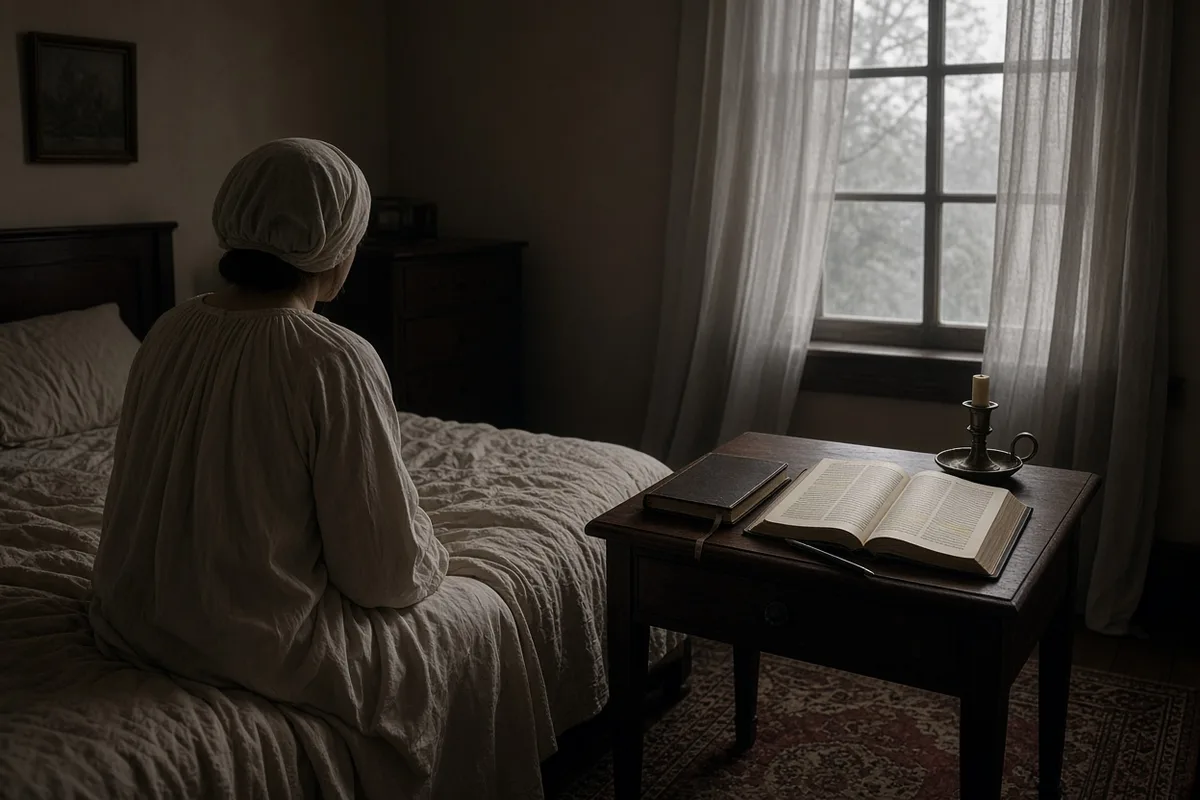
After the picnic Kent uploaded the image to the family’s shared drive under the folder labeled “September 2024 Events,” where it sat beside the scanned baptism certificate for their youngest daughter dated 11 November 2009 at the Reformed Presbyterian Church of North America meetinghouse on South Crouse Avenue. Rosaria returned to the studio above the garage the following Monday and recorded episode 113, which opened with her reading from the 1769 Oxford King James Bible the passage in Titus 2 that begins “the aged women likewise, that they be in behaviour as becometh holiness.” The episode, released 23 September 2024, runs sixty-two minutes and includes at minute nineteen the sound of her turning to the 1646 Westminster Larger Catechism to quote answer 129 on the duties of inferiors to superiors.
In October 2024 she accepted an invitation to address the annual meeting of the National Association of Evangelicals held in Chicago, where she spoke for twenty-three minutes on the topic of hospitality as practiced in the manse on Miles Avenue between 2001 and 2003. The transcript posted on the association’s site records her stating that the Tuesday dinners had averaged nine attendees and that the roast chicken recipe came from Floyd’s handwritten card dated 14 March 1998. She returned to Durham on 19 October and added the event to the spiral notebook already containing thirty-seven names from the 2018 gathering.
Kent’s call to the Durham congregation ended on 31 December 2024 when the presbytery approved a transfer to the congregation in Pittsburgh that met in the building erected in 1927 on Penn Avenue. The family packed the cedar chest containing the leather satchel and moved on 15 January 2025. Rosaria’s first women’s study in the new location began 4 February 2025 with fourteen participants reading from the 1599 Geneva Bible the opening verses of Romans 12. Attendance records kept on the kitchen counter show the number rose to nineteen by the fourth week.
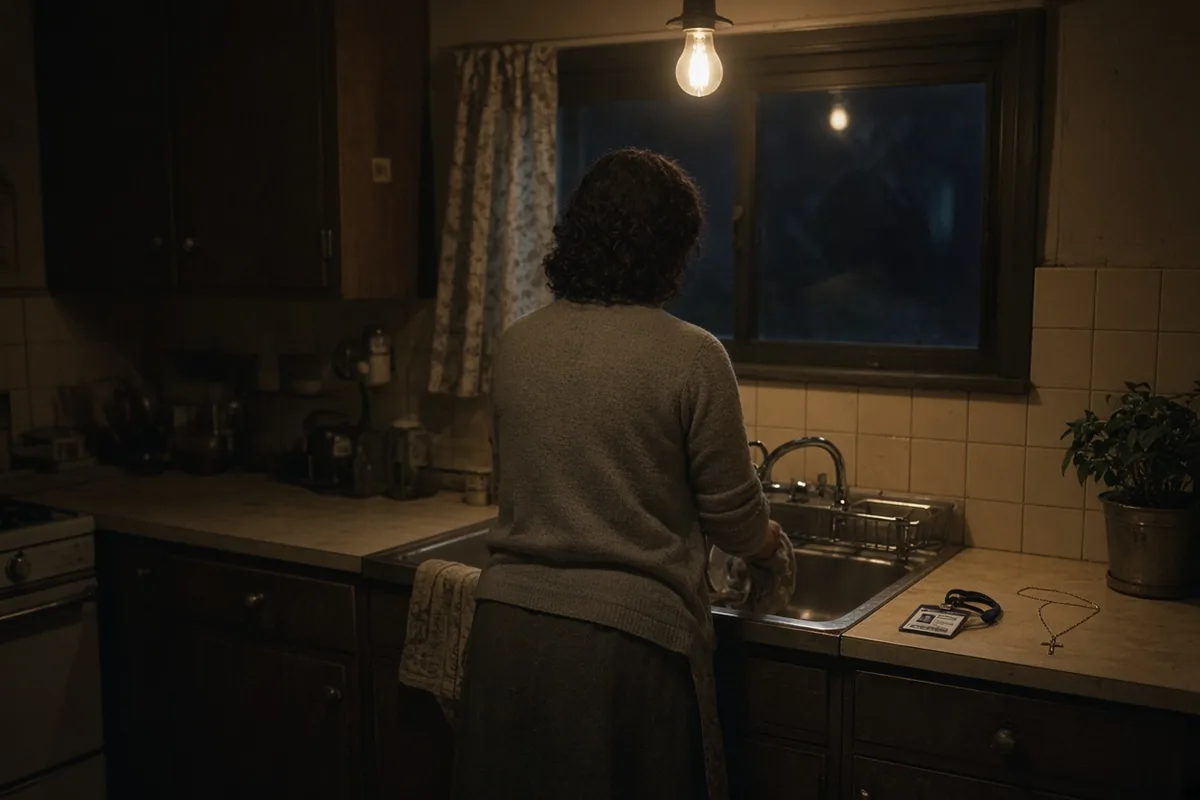
The podcast continued from a new studio constructed in the Pittsburgh house attic. Episode 119, released 11 March 2025, features a former Onondaga County Public Library branch manager who recalled receiving the donated copies of Judith Butler and Eve Kosofsky Sedgwick on 12 August 2015. The episode lists the exact shelf numbers where the volumes were placed and notes that both books were checked out eleven times in the following decade. Rosaria read 1 Corinthians 6:9 from the same 1769 Oxford edition at minute forty-two.
By June 2025 the three children had completed their first year at the local Christian school operated by the presbytery since 1984. School records list Michael Butterfield, age twenty, enrolled in the dual-credit program with Geneva College, while the daughters, ages eighteen and sixteen, participated in the annual psalm-singing competition held 3 May 2025 in the church fellowship hall. Rosaria knitted a second navy cardigan during the winter months, completing it on 22 February 2025, and wore it to the school’s end-of-year program on 6 June.
The final image is taken from a video still captured on 9 August 2025 during the church’s annual work day at the Penn Avenue building. Rosaria stands on a ladder holding a paintbrush in her right hand, applying primer to the exterior trim of the 1927 structure while the ten-year-old girl from the 2024 picnic hands her a clean rag from below. Her gray-streaked hair is pulled back with a single clip, and the same straight line appears at the corners of her mouth as she leans forward to inspect the edge of the board. The still was extracted from footage recorded on Kent’s Canon EOS Rebel T7 at 10:48 a.m. Eastern Daylight Time, with the camera set to automatic exposure and the lens focused at eight feet.