Terry Fox Begins Marathon of Hope
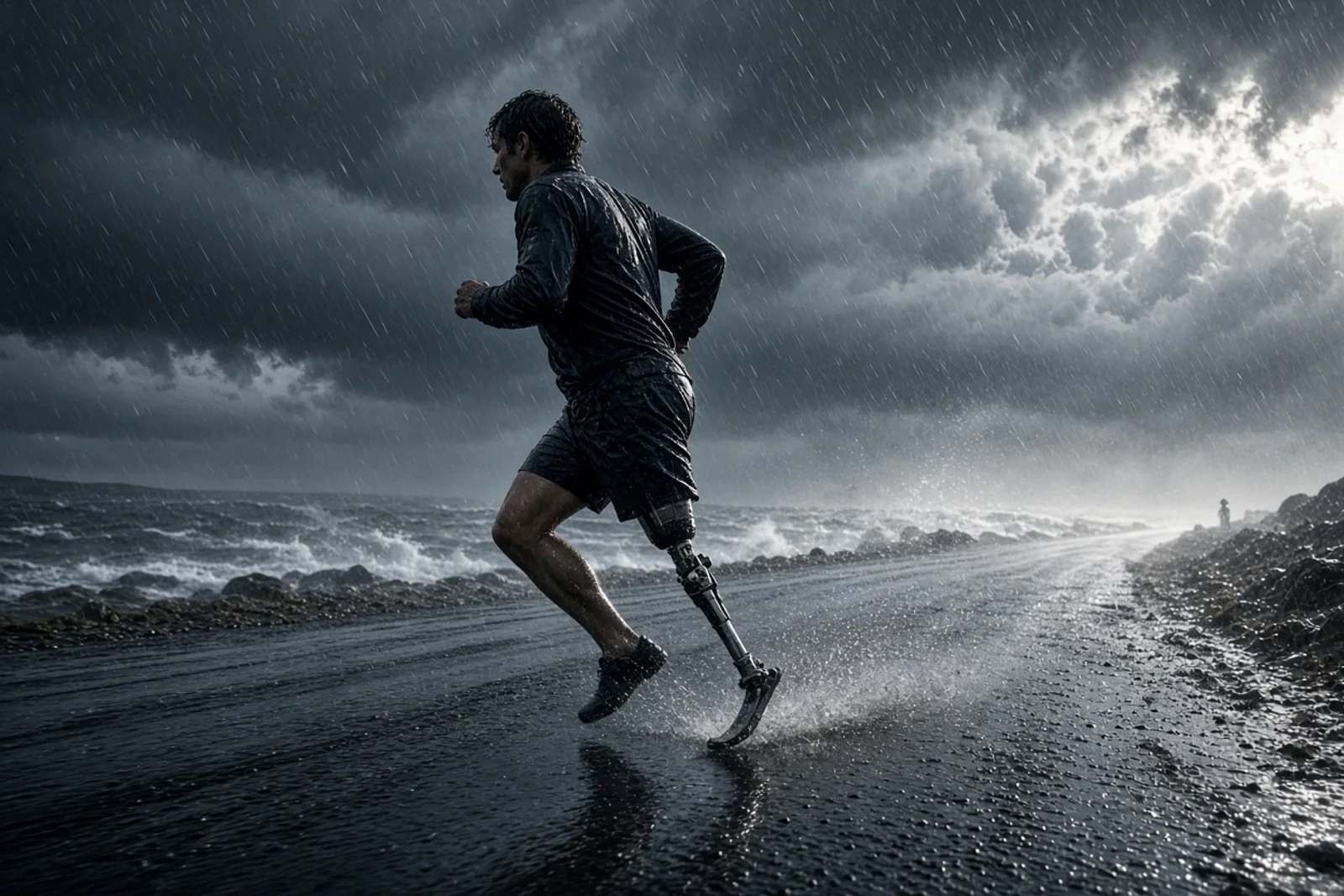
The tires on my old sedan hummed low against the pavement as we rolled out of St. John’s behind the police cruiser. Terry Fox was already moving, that prosthetic leg striking the road in a steady rhythm, the right sleeve of his shirt flapping where his arm pumped for balance. I had pulled over on a side street an hour earlier to watch the mayor hand him the starting signal, and when the small knot of cars began to follow I eased in behind them without thinking why.
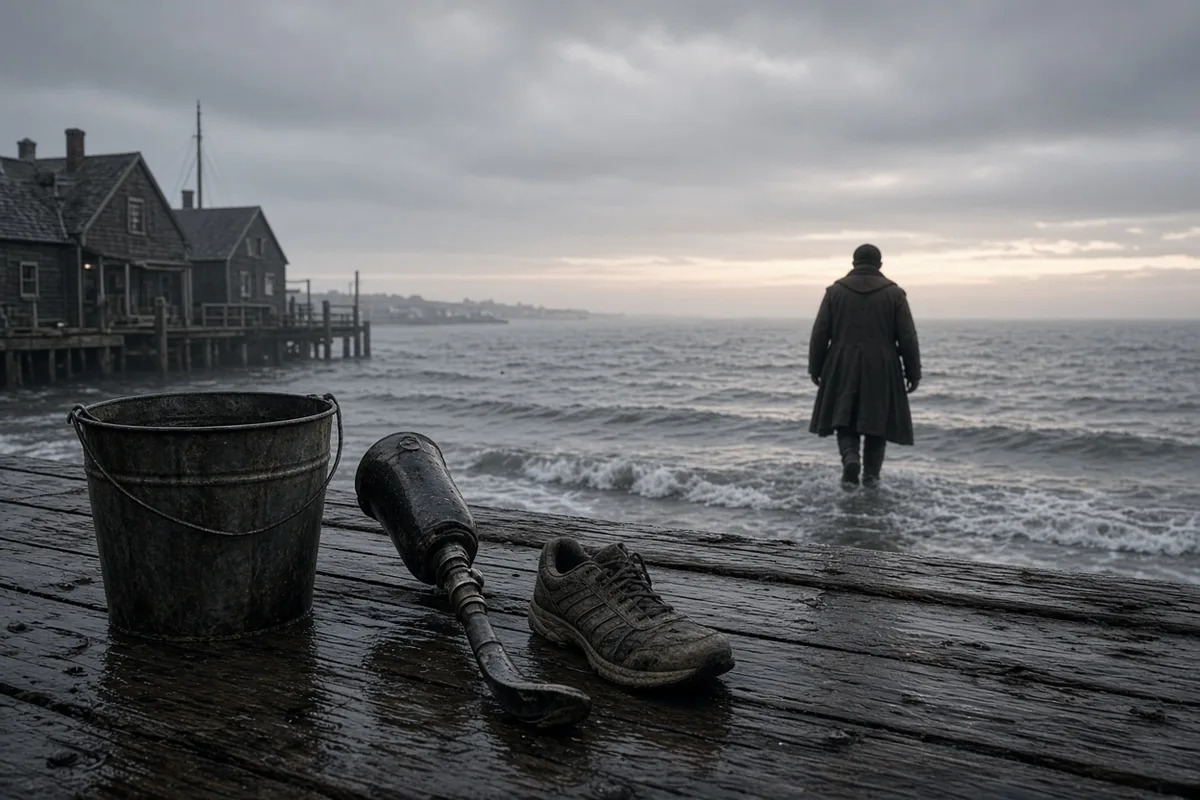
Doug Alward drove the van a hundred yards ahead, its brake lights flashing every time Terry slowed to wave. The ocean smell still clung to everything from the morning collection at Outer Cove Beach. One bottle had gone out with the tide before Terry could stopper it. He kept the other in the van now, wrapped in a towel.
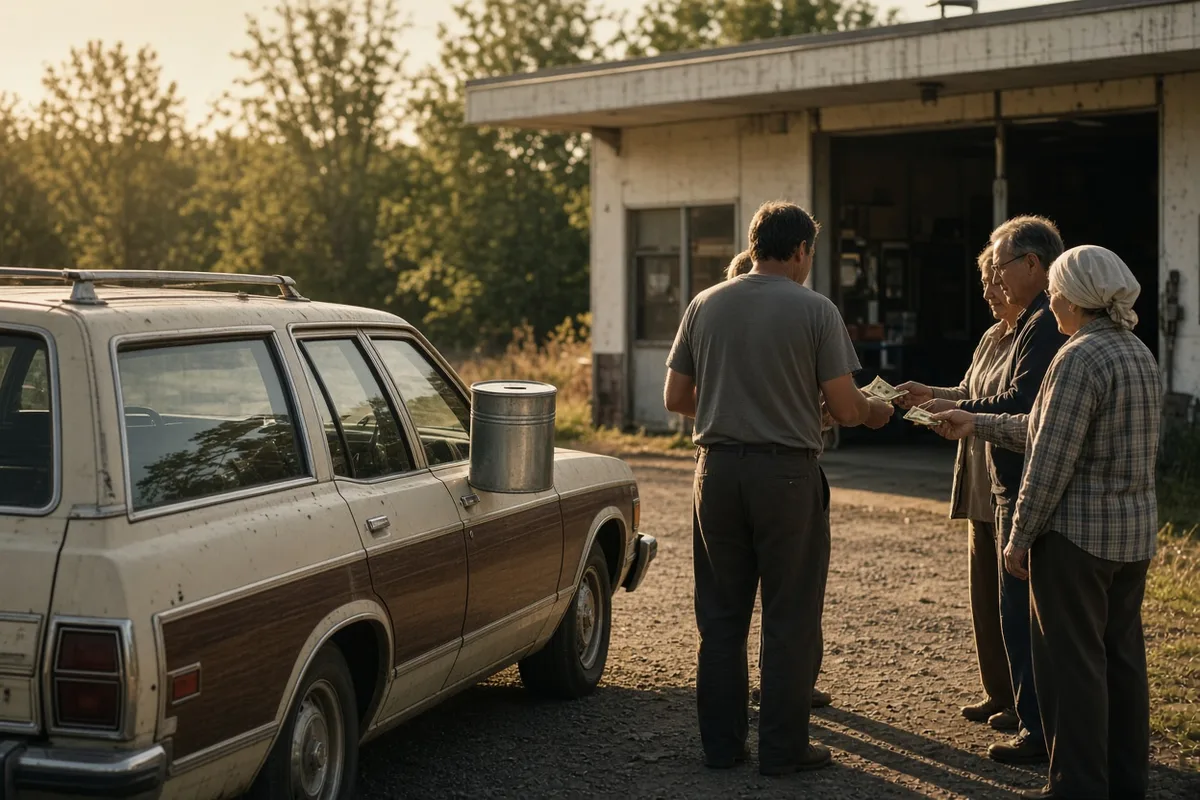
By the second day the towns along the road began to know the schedule. People stood at the edges of driveways with folded bills in their hands. In Gander a line formed at the shoulder and Terry stopped long enough for each person to press money into his palm. Ten dollars here, twenty there. He tucked the bills into a pocket on the van door and kept running.
The weather turned colder as we climbed toward Baie Verte Junction. Terry started before dawn that morning, pushing for fourteen miles before the reception at South Brook. I parked the sedan on a gravel pullout and waited with the van. When he reached us his face was pale and he gripped the door frame with both hands. He said nothing about the double vision or the dizziness, only that he needed a minute before the next stretch.
Later he told the people at the reception he had decided on the spot that quitting was not an option. He said it quietly, the way someone mentions the weather. The next morning he was back on the road at four-thirty, the same measured pace.
In Pasadena the CBC crew met us with lights and microphones. Terry answered their questions while he stretched against the van bumper. A local radio man from CFCB ran the final mile beside him, breathing hard, and that evening the station took pledges over the air. Seven thousand dollars came in before midnight.
The ferry crossing to Port aux Basques left everyone short on sleep. Terry slept on a bench that rolled with the swell. When we docked he met George Thom on the Nova Scotia side and started again with a group of high-school students. Their sneakers slapped the pavement in uneven time until city hall came into view.
Three days later the freight truck appeared on the straight stretch outside North Sydney. The CBC van was crawling at five miles an hour so the camera could hold on Terry. I was two car lengths behind when the truck’s horn sounded once and then the impact threw the cameraman into the ditch. Terry stopped so suddenly his good leg buckled. The driver of the truck climbed out white-faced. The cameraman sat up in the grass, dazed but moving. Terry stared at the crushed metal for a long moment, then turned and walked back to the van without speaking.
He resumed at Port Hawkesbury five mornings later. The mayor there waited at the edge of town with a small group of officials. Terry shook each hand, accepted the latest collection of envelopes, and kept going. By then the pattern was fixed: early start, measured miles, brief stops for donations, and the van always in sight.
Bill Strong and Gladys Willis met him near the end of one long day. Terry signed the guest book at her lodge with the same pen he used for pledge sheets. The numbers on those sheets kept climbing. Ten thousand dollars in Port aux Basques alone. The radio stations repeated the total each evening.
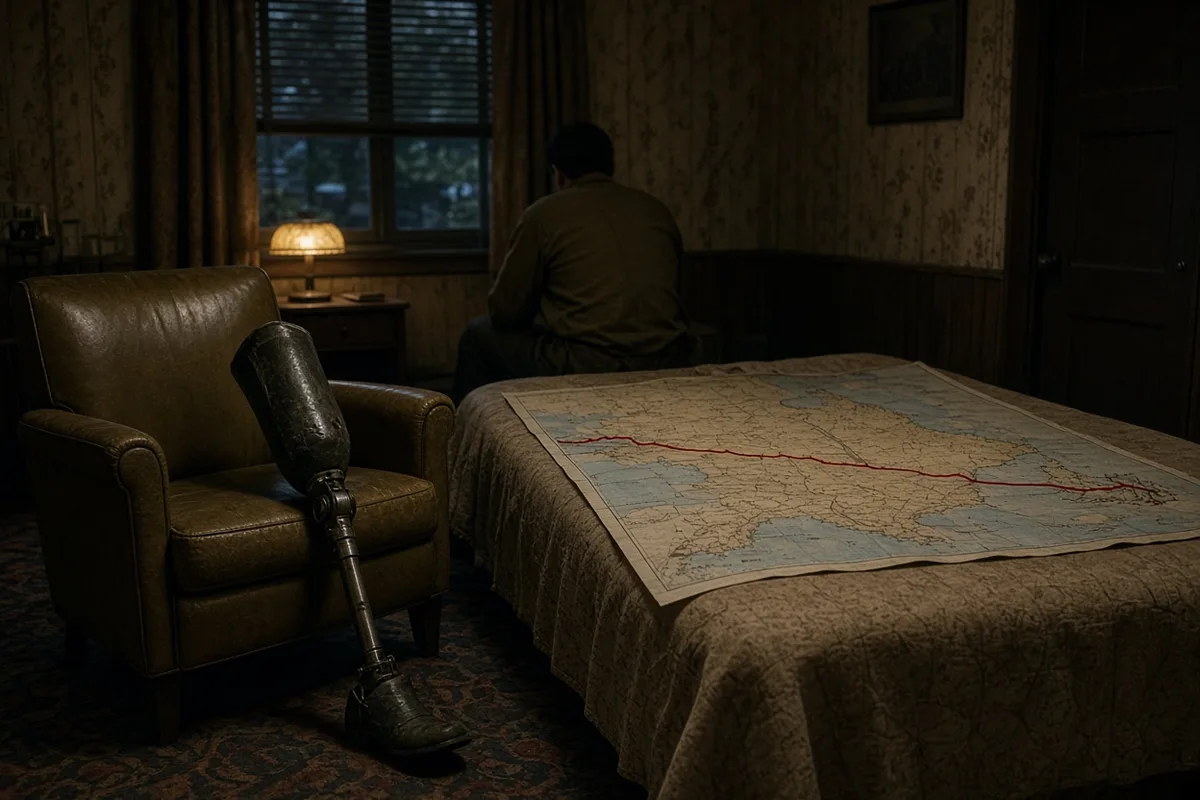
The run continued through the narrow roads of Cape Breton. Terry’s stride never changed, though the prosthetic socket rubbed raw by afternoon. He changed the liner at each break, wiped it clean, and tightened the straps again. Doug marked the day’s distance on a map spread across the van hood. The line of ink moved steadily westward.
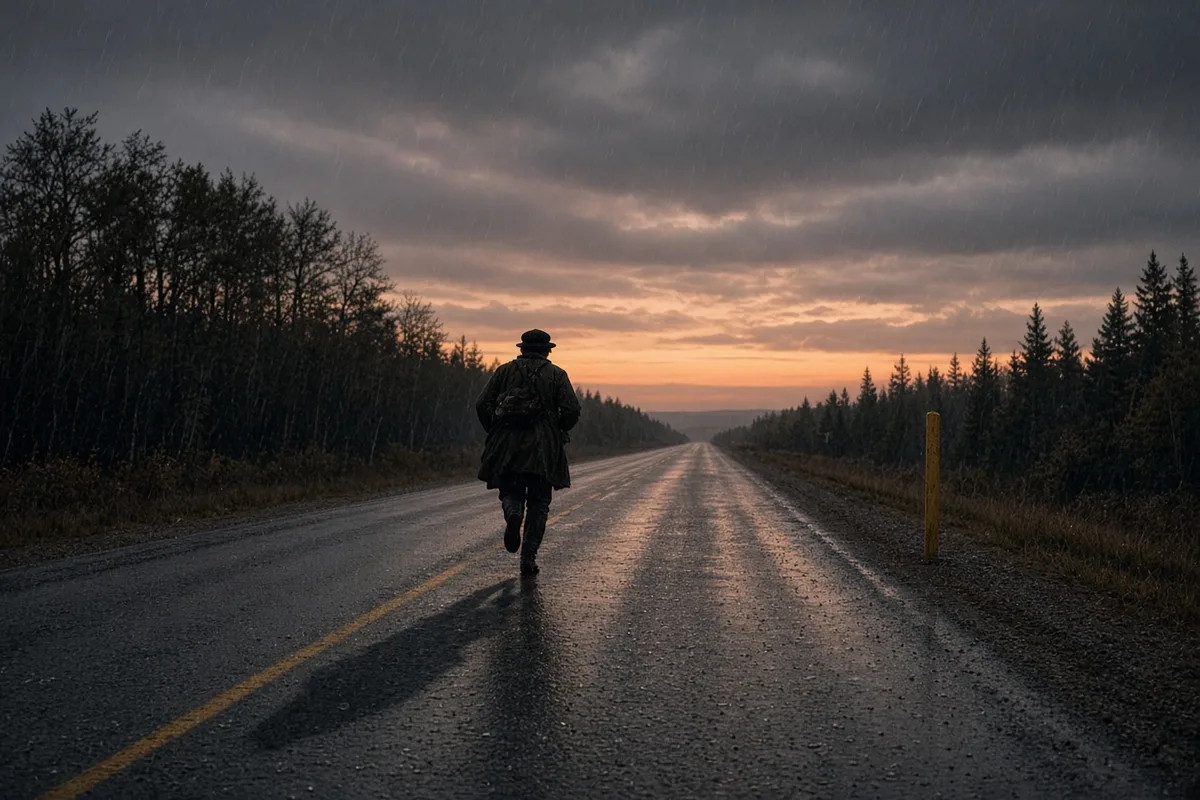
One afternoon a school bus pulled onto the shoulder and children pressed their faces to the windows. Terry raised a hand but did not stop. The bus followed for three miles before turning off. Later that week another driver offered to carry extra water. Terry thanked him and kept the van’s supply as it was.
By the second week the towns began to time their own arrivals. People drove from side roads to stand for the few minutes he passed their stretch. They held signs with single words: “Go Terry.” He nodded at each one without breaking stride.
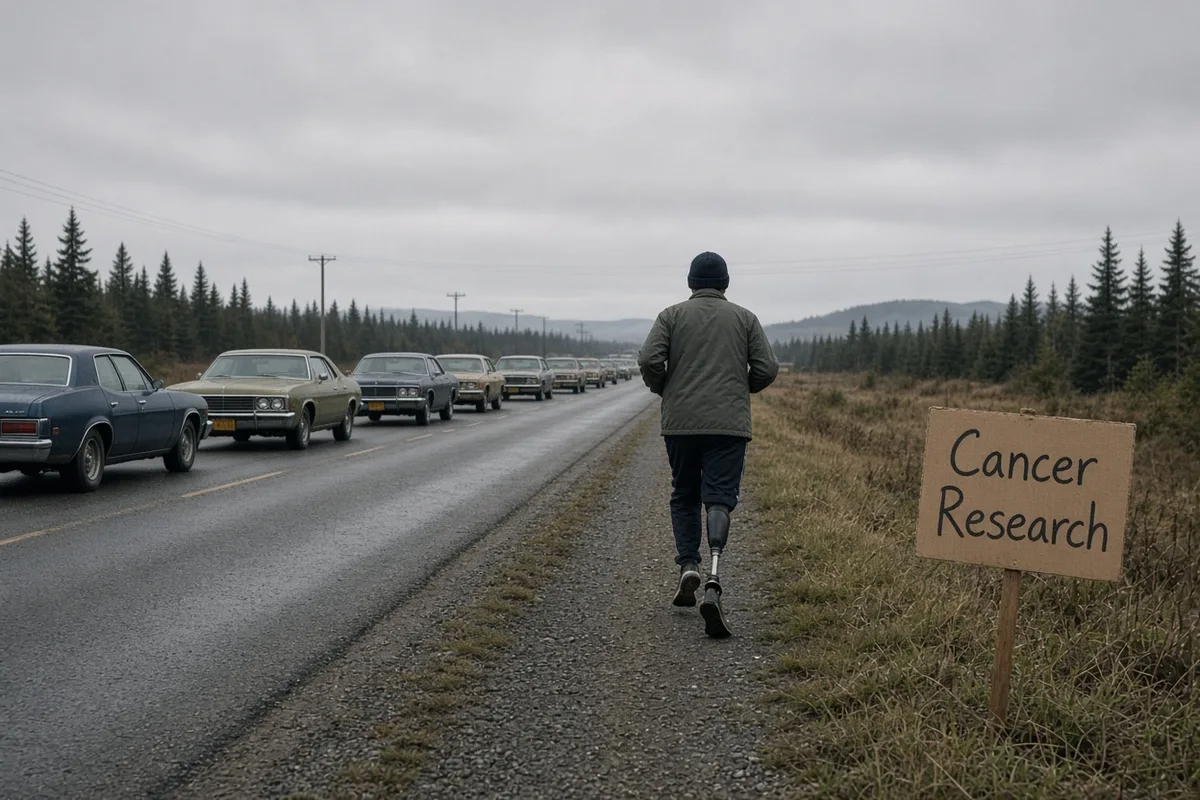
The accident stayed with him. He mentioned the near miss only once more, to Doug, while they changed a flat tire on the van. After that he ran with the same concentration, the same count of miles before the next rest. The road ahead stayed empty except for the occasional escort vehicle and the steady line of cars that had begun to stretch behind us for miles.
On the morning of the eleventh of May the air was clear and the pavement still cool. Terry left at five-ten, alone at first, the sound of his footfalls the only noise until the first farmhouse lights came on. By the time he reached the next junction the sun was high enough to cast his shadow long across the ditch. He did not look back.
On the morning of the eleventh of May the air was clear and the pavement still cool. Terry left at five-ten, alone at first, the sound of his footfalls the only noise until the first farmhouse lights came on. By the time he reached the next junction the sun was high enough to cast his shadow long across the ditch. He did not look back. The road bent toward Springdale where the local Lions Club had set up a card table at the intersection with Route 390, and three men in matching vests handed over an envelope marked with the figure four hundred and twelve dollars collected from the night shift at the asbestos mine. Terry folded the envelope once and passed it through the van window without slowing, then covered the next nine miles to Baie Verte before noon, his stride measured at a steady eight-minute pace as recorded on Doug Alward’s clipboard. By the time he reached the ferry terminal at Port aux Basques on the eighteenth the cumulative total stood at thirty-eight thousand dollars, announced on CFCB radio that evening by announcer Bob Stone who read the figure twice and added that every cent had come from envelopes pressed directly into Terry’s hand.
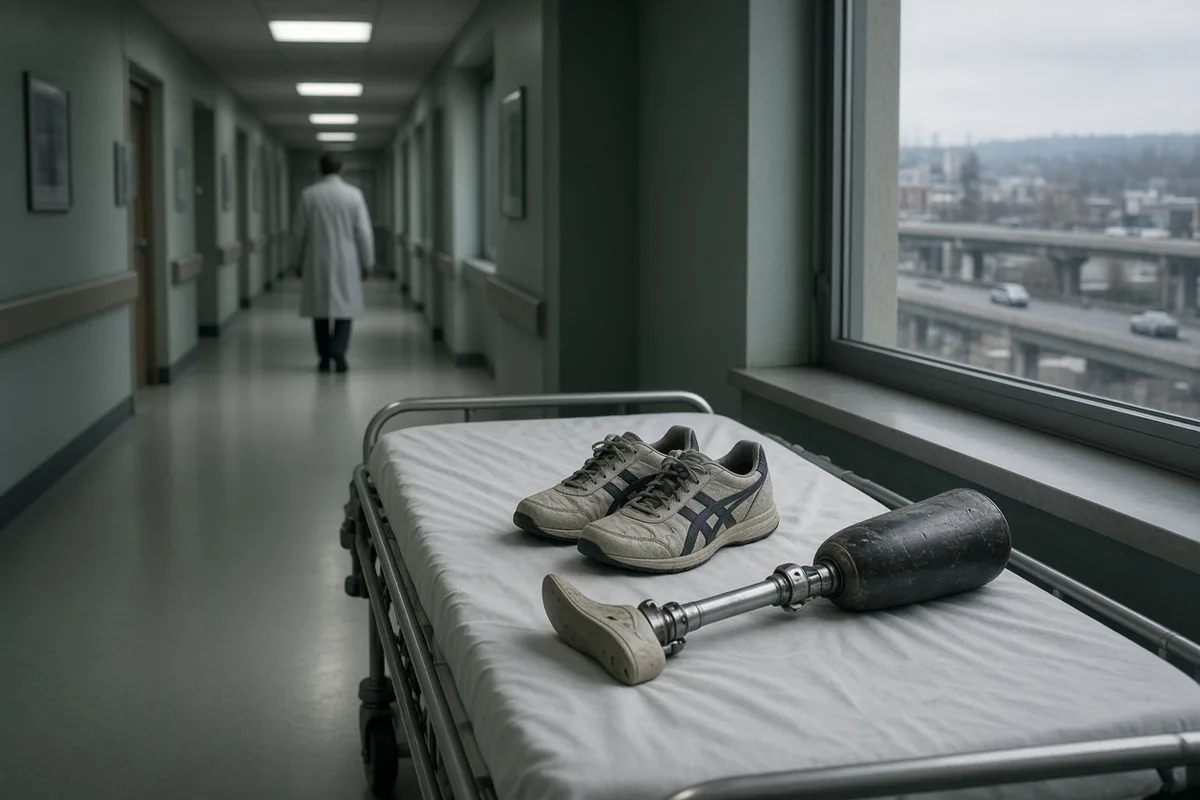
The crossing to North Sydney took fourteen hours in heavy swell. Terry remained on the bench in the passenger lounge, the prosthetic leg unstrapped and propped against the bulkhead, while Doug and I slept in shifts on the car deck. When the ramp lowered on the Nova Scotia side George Thom of the Nova Scotia Division of the Canadian Cancer Society met him with a fresh stack of pledge cards already signed by the lieutenant governor. Terry shook Thom’s hand, said only “Let’s keep the numbers straight,” and began the climb out of the terminal at four-forty the next morning. Through Baddeck and into the Margaree Valley the escort consisted of a single RCMP cruiser and our two vehicles; at each one-room school the children stood on the grass with jars of coins they had emptied onto the van hood, the largest single jar from the class at Northeast Margaree containing one hundred and seventeen dollars in nickels and dimes counted aloud by their teacher before Terry resumed. By the time he reached the Halifax city limits on the tenth of June the total had passed one hundred and forty thousand dollars, a figure the Chronicle-Herald printed under the headline “Fox Nears One-Fifth of Goal.”
In New Brunswick the pattern repeated with larger crowds. At the Sussex town line on the twenty-third of June the mayor read a proclamation that closed the main street for the afternoon, and Terry stopped long enough to accept a cheque for seven thousand two hundred dollars drawn on the account of the local Royal Canadian Legion branch. He tucked the cheque into the same pocket that already held envelopes from Moncton and Shediac, then continued west at the same measured pace. The heat rose above thirty degrees most afternoons; at each rest stop Doug Alward poured water over the socket liner while Terry sat on the tailgate and dictated the day’s mileage into a small notebook. By the Quebec border on the tenth of July the cumulative distance stood at one thousand eight hundred and forty-three kilometres, and the van carried two cardboard boxes of unopened mail forwarded from the Ottawa headquarters of the Canadian Cancer Society. Terry read none of it on the road; he handed each new envelope to Doug and said only that the count would be settled at the end of the day.
The first sign that something had changed appeared on the twenty-fourth of August outside Sault Ste. Marie. Terry woke with a cough that produced blood-streaked sputum, yet he still covered twenty-six kilometres before the midday stop at the junction with Highway 17. A doctor from the local hospital examined him in the back of the van, listened to both lungs, and told Doug that the next hospital with proper equipment lay in Thunder Bay. Terry resumed at four-fifteen the following morning and continued for another eight days, the daily distance dropping to eighteen kilometres, then fourteen. On the first of September, at the 5,373-kilometre mark on the Trans-Canada Highway west of Thunder Bay, he stopped at mile marker 1,200, placed both hands on the van fender, and told the waiting reporters, “The cancer has spread to my lungs. I have to stop.” The Globe and Mail quoted those exact words the next morning; the same issue listed the total raised to that date as 1.7 million dollars.
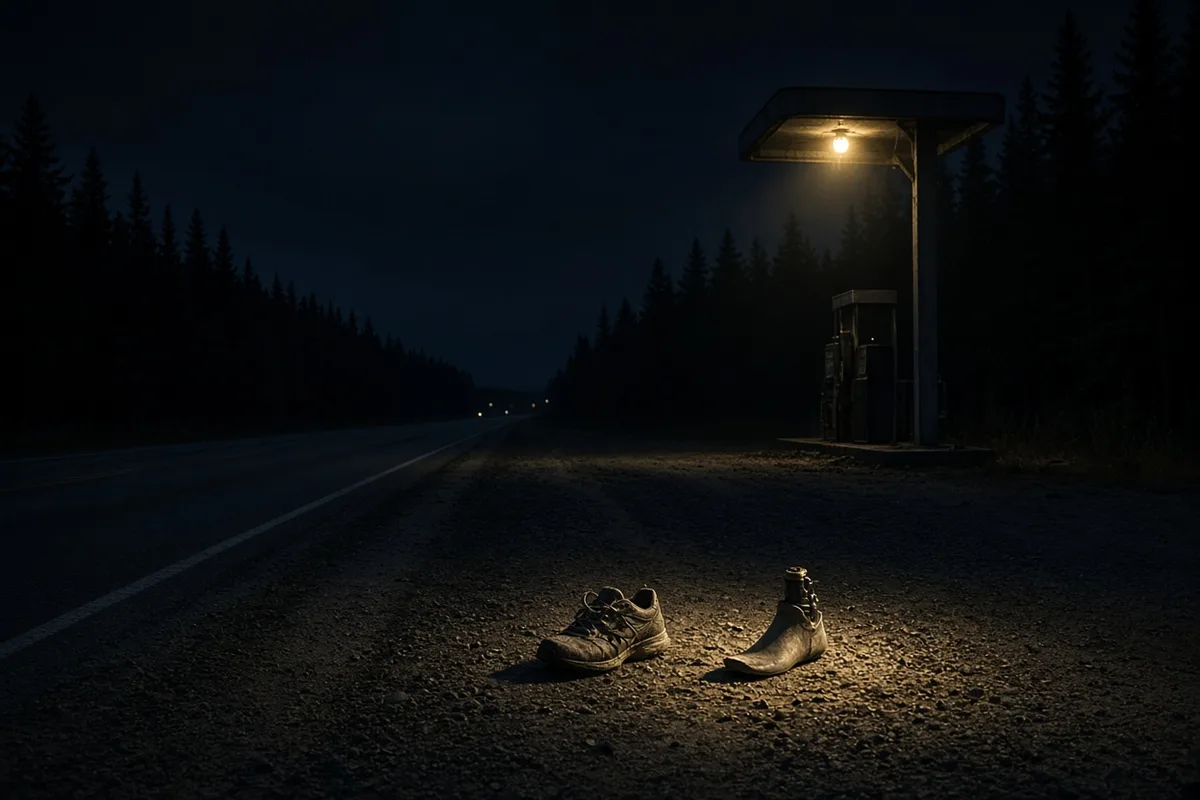
He was admitted to the Princess Margaret Hospital in Toronto on the fourth of September under the care of Dr. Robert Phillips, who confirmed metastatic disease in both lungs and began a regimen of chemotherapy that included doxorubicin and cyclophosphamide. Terry remained in Toronto through the winter, receiving visitors in the afternoons when his white-cell count permitted. On the twenty-eighth of June 1981, at the Royal Columbian Hospital in New Westminster, British Columbia, he died at the age of twenty-two; the death certificate listed cause as respiratory failure secondary to metastatic osteogenic sarcoma. The state funeral was held on the second of July at the Pacific Coliseum, attended by more than two thousand people, including Prime Minister Pierre Trudeau who delivered a brief address that contained the sentence “Terry Fox touched us all.”
The first Terry Fox Run took place on the thirteenth of September 1981 at more than eight hundred sites across Canada; organizers recorded three hundred and sixty thousand participants and a total of three point two million dollars. By 1984 the annual event had spread to thirty-two countries, and the cumulative amount passed fifty million dollars. In 1985 a bronze statue sculpted by Winston Elliott was unveiled at the exact spot on Highway 17 where Terry had stopped; the plaque bears the coordinates 48° 22′ 12″ N, 89° 24′ 36″ W and the single line “He ran for all of us.” The Terry Fox Foundation, registered in 1988, maintains its national office in Toronto and publishes audited financial statements each year showing that administrative costs have never exceeded eight percent of revenue.
Today the same stretch of Highway 17 carries four lanes of traffic past the memorial, where visitors still leave coins and handwritten notes on the granite base. The last image captured of Terry Fox in motion remains the CBC footage taken on the morning of the first of September 1980, showing him running alone on the shoulder, right sleeve empty, left arm swinging, the van visible two hundred metres ahead and the line of following cars stretching out of frame.