The Fishermen Who Saved Jewish Refugees in Denmark
A dramatized first-person retelling of documented events
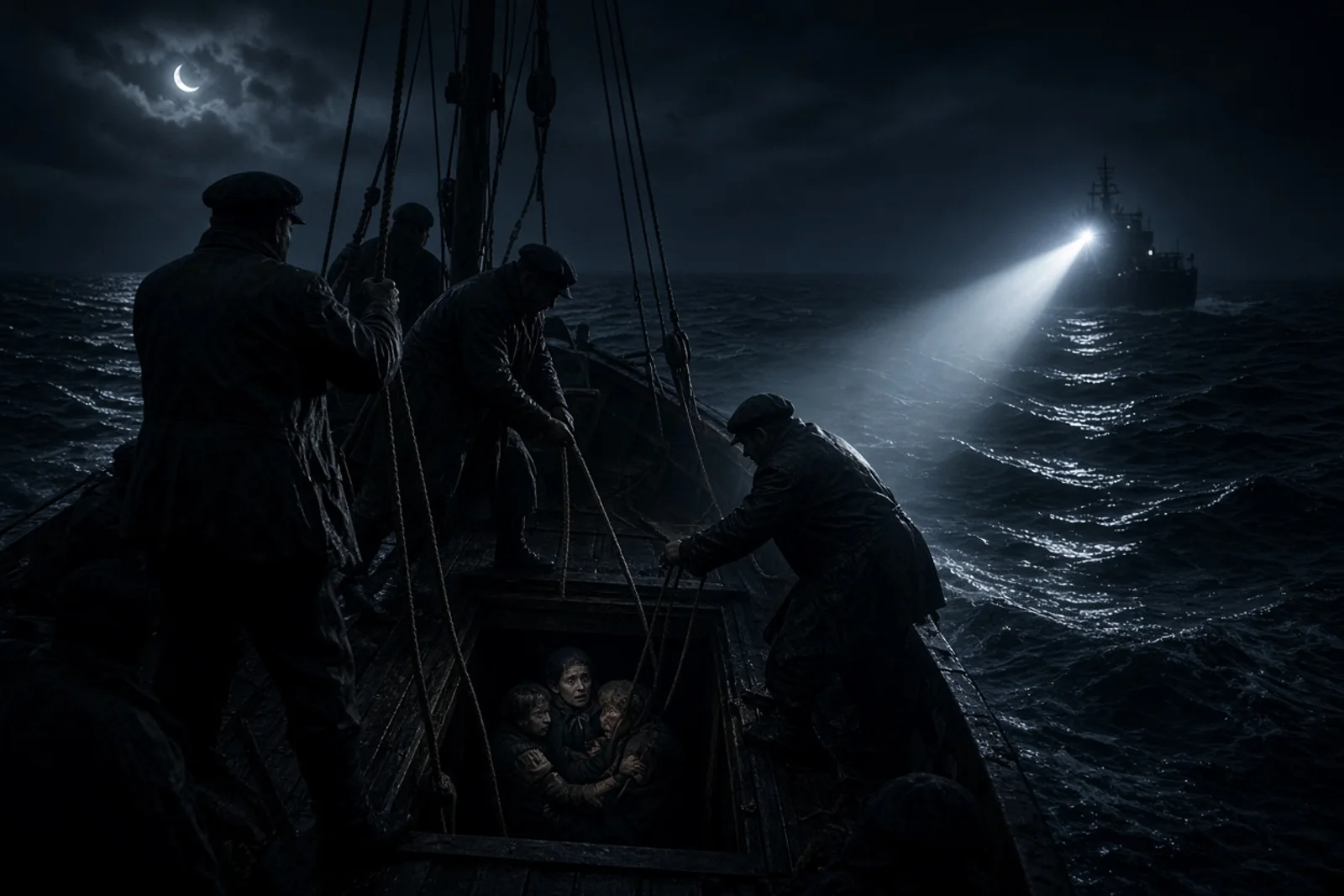
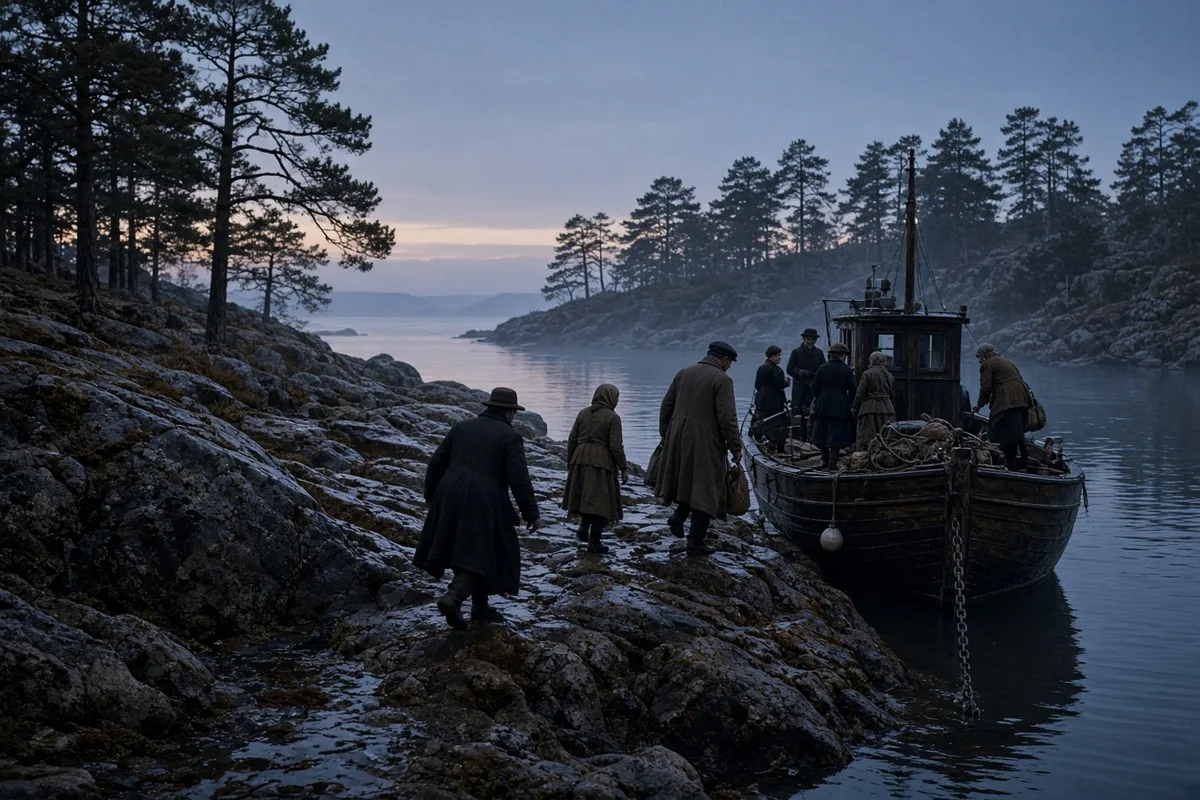
The engine coughed once and caught. I killed the running lights and let the boat drift toward the jetty where the figures waited, dark shapes against the darker line of the pines. Salt air mixed with diesel. Someone on the planks whispered a name and another answered. I counted heads as they stepped aboard: twelve, then one more, a woman carrying a child wrapped in a wool coat too large for him.
We had room for twelve. The extra passenger made the hull sit lower. I told the man nearest the stern to shift the fuel cans. He did it without speaking. The child coughed and the mother pressed her hand over his mouth. We cast off.
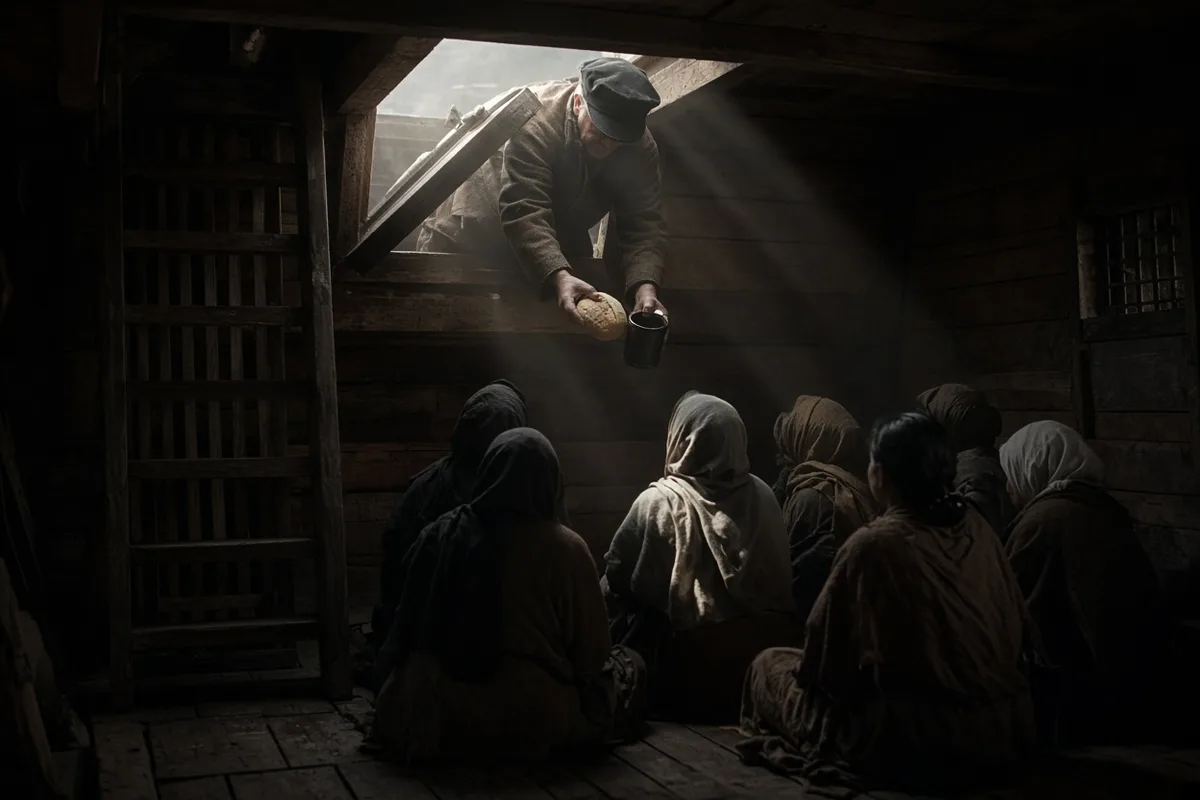
The straits were four miles. On a calm night the crossing took forty minutes. That night the wind came out of the north and the water chopped against the bow. Below deck the passengers stayed quiet at first. Then the motion started working on them. One by one they leaned over the buckets we kept ready. The smell rose and hung in the low space. I kept my eyes on the compass and the faint glow of the Swedish coast that never seemed to grow closer.
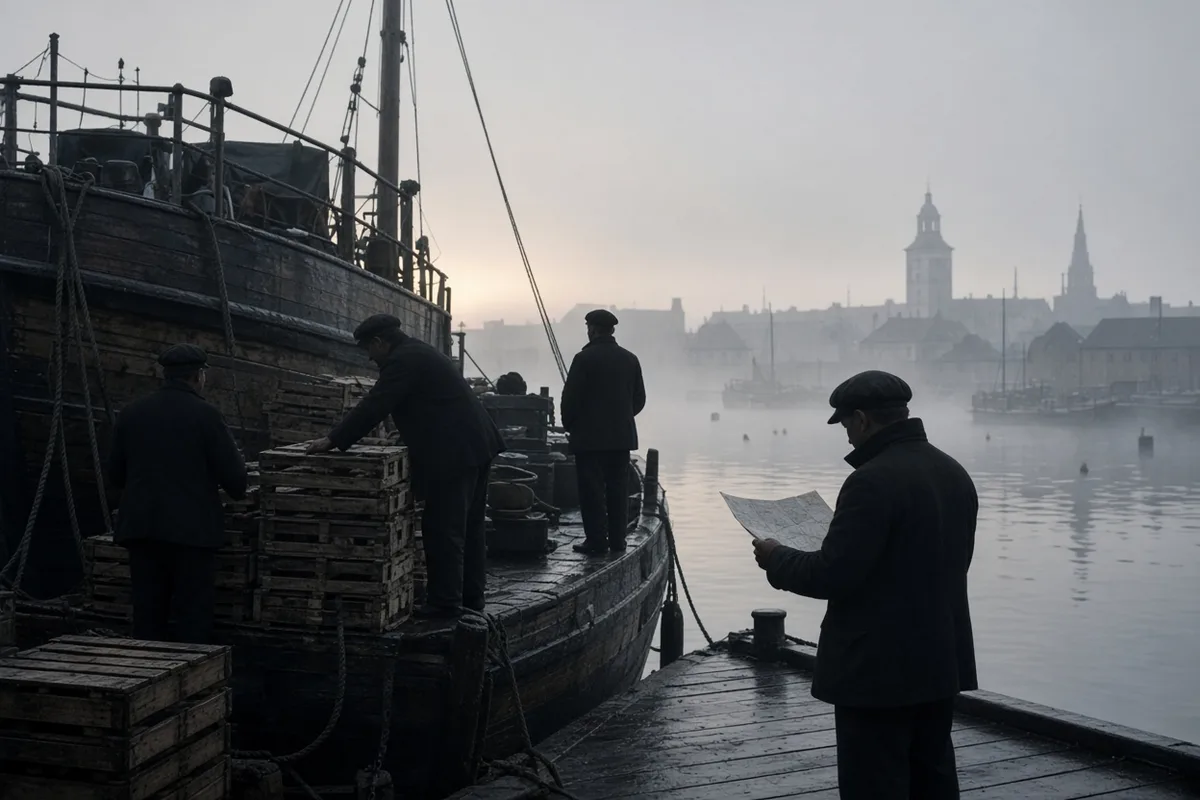
We had been doing this every night for nearly a week. At first it was only the families who had heard the rabbi in Copenhagen. Marcus Melchior had stood in the synagogue and told them the Germans would come on the first of October. Most left before the Sabbath. Then the word spread farther. People arrived at the shore in taxis, on bicycles, on foot. They carried suitcases tied with string and paper parcels that smelled of bread. We took them in groups of eight or ten or twelve, whatever the boat would hold without drawing too much water.
Preben met each group at the houses above the beach. He had grown up here and knew every path through the trees. He carried a rucksack with extra rope and a torch he never switched on until we were already away from the village. When the Gestapo began stopping cars on the main road he moved people at dusk instead, hiding them in sheds and under nets until the tide turned.
One evening a man offered me money for his place. I told him the price was the same for everyone and the money went to fuel. He put the notes away. Later I learned some boats charged more. The price rose as the nights grew colder and the patrols increased.
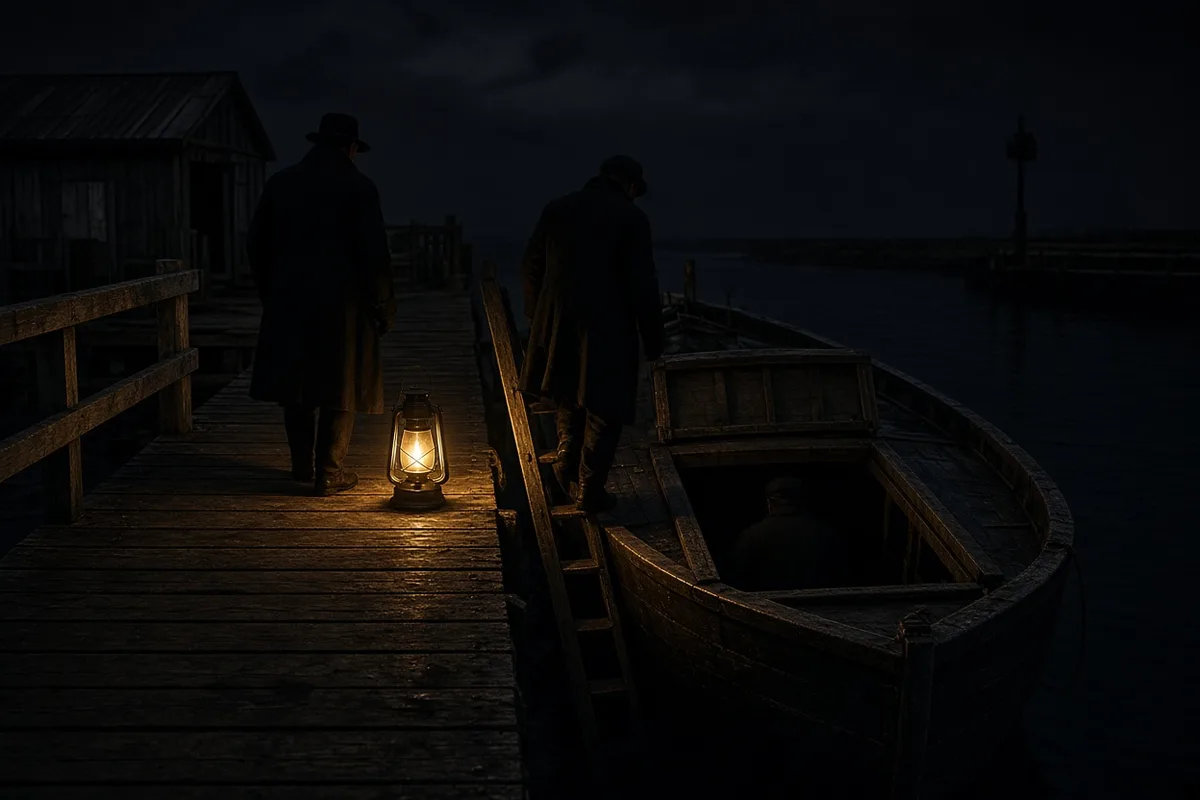
Bent Melchior crossed on the third night I worked the boat. He was fourteen, tall for his age, and his father the rabbi kept one hand on his shoulder the whole time we loaded. His mother and younger brother stayed in the first-class carriage on the train south because the boy was too young to know when to stay silent. They reached the bishop’s house on Falster and waited two days for a boat that would take all of them. When our turn came the sea was the same rough gray it had been every night that week.
We put in at a small cove on the Swedish side just before dawn. The passengers climbed out onto wet stones and walked up the slope without looking back. A man from the village met them with blankets. I turned the boat around before the light reached the water. On the way home the engine ran smoother with the weight gone.
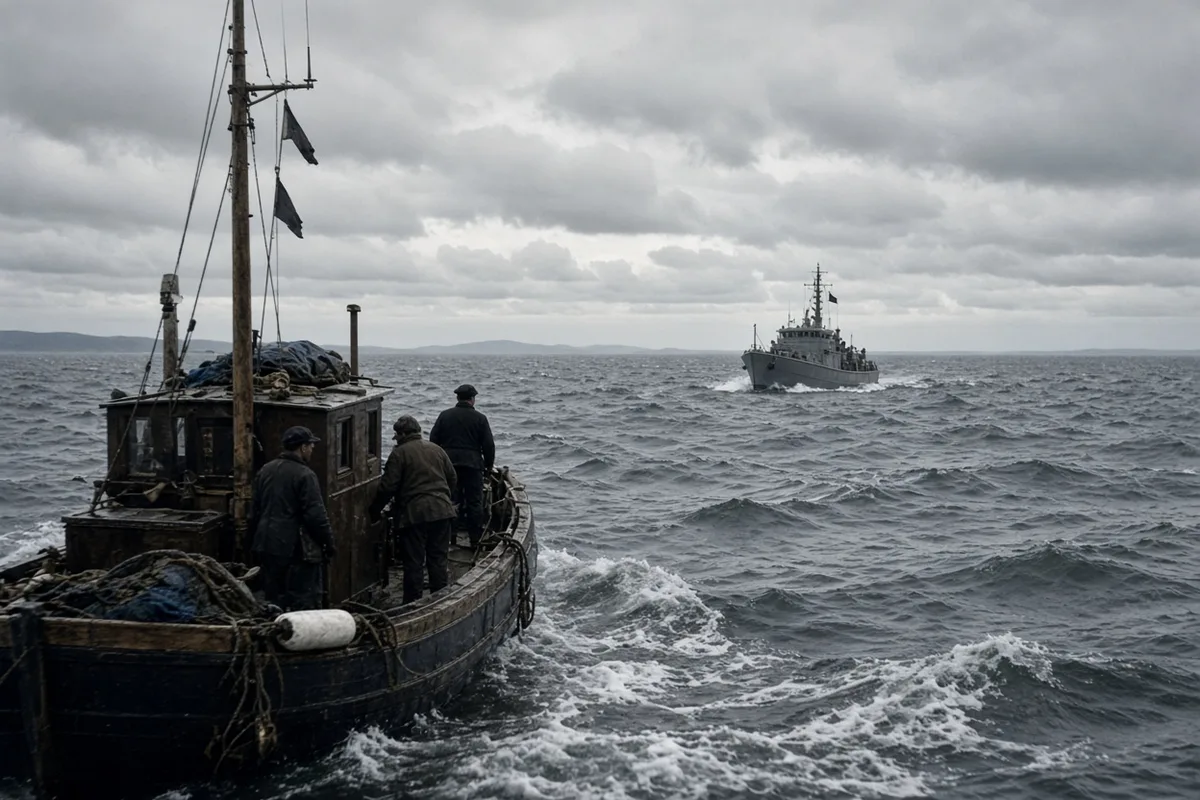
By the end of the month we had taken more than a thousand people across from our stretch of coast alone. Preben kept count in a small notebook he burned later. Some nights the Germans put patrol boats on the straits. We listened for their engines and cut our own when we heard them. Once we drifted for an hour with the fishing nets spread over the deck so the shape would look ordinary from the air.
Leif Donde was six when his family came through. He held his mother’s hand and asked questions in a low voice until she told him to save them for Sweden. They left Copenhagen with one suitcase and reached Snekkersten after midnight. We loaded them just before the moon rose. The boy fell asleep against the hull before we cleared the harbor.
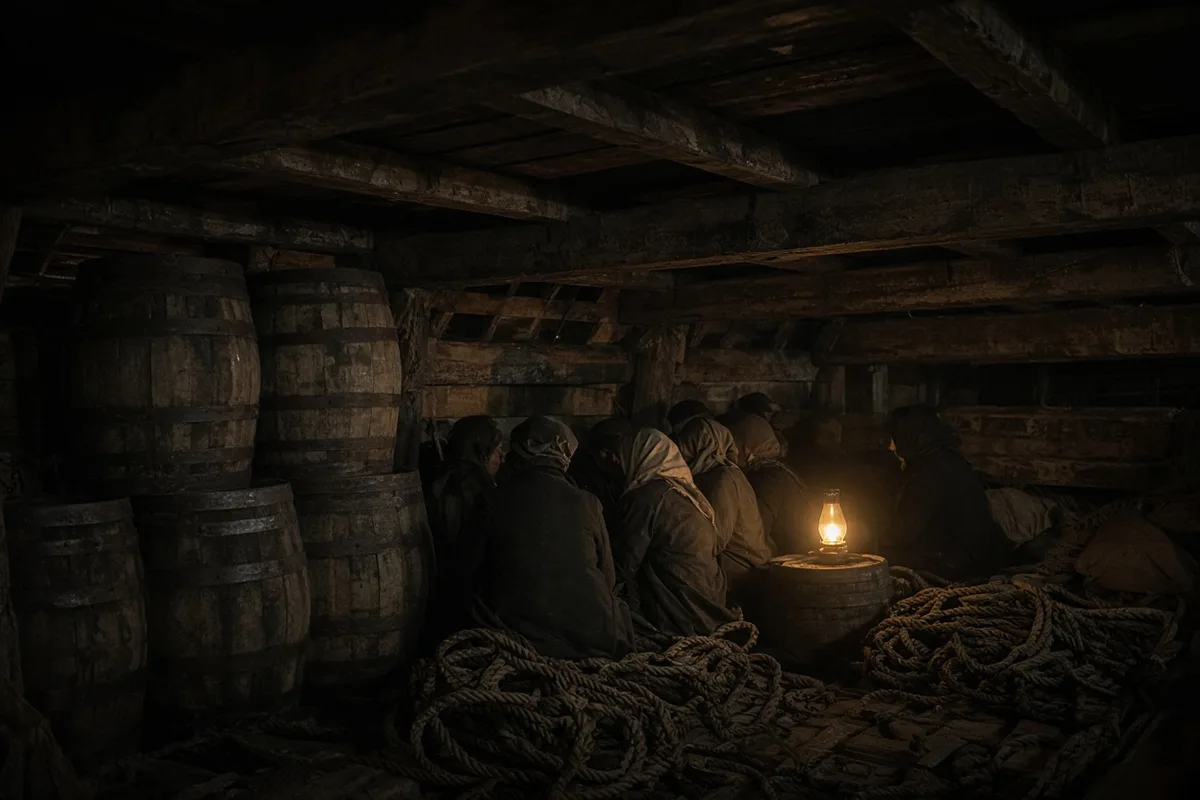
Tove Bamberger’s group waited in a boathouse until the signal. She carried a small case that held her mother’s candlesticks. When the boat rocked she steadied the case with both hands. None of them spoke until we were halfway across.
The last crossing I made was in early November. The Germans had tightened the net around the villages and Preben had already gone over himself. I took eight people, all strangers to me. One woman asked if Sweden would keep them. I said the Swedes had opened the border and that was all I knew. She nodded and did not ask again.
We reached the far shore at first light. The passengers stepped onto the rocks and walked inland without turning. I stayed long enough to watch a Swedish policeman meet them at the top of the slope. Then I started the engine and pointed the bow toward home. The water was flat that morning. The sun came up behind me and turned the wake white.
The engine idled low as I eased past the outer buoy at Snekkersten harbor on the morning of 5 November 1943. Preben’s notebook had recorded 1,148 names by then, each one crossed off against the fuel receipts he kept in a tin under the floorboards of the shed at the end of Strandvej. When I tied up, the coast-watch sergeant from Helsingør came down the pier and told me the Gestapo had taken two men from the Gilleleje group the night before; their boat, the thirty-two-foot cutter registered to Jens Hansen of Hornbæk, had been found drifting with its nets cut. I gave him the last of the kroner that had been left for petrol and walked the three kilometers back to the house with the empty cans.
After the final crossings stopped, the village returned to ordinary winter fishing. The cod runs that December were poor, and the price at the auction in Copenhagen fell to eighteen øre a kilo. I kept the boat on the mooring and worked instead on the nets that had been spread over the deck the night we drifted under the German patrol. One of the floats still carried a small tear where a bullet had passed through the mesh; the hole was no larger than a thumbnail. In March 1944 a letter arrived from Malmö postmarked by the Swedish refugee office. It contained only a single line in block capitals: “The child is well and asks about the buckets.” No signature. I burned the paper in the stove the same evening.
When the war ended, the first Danish vessels to cross back carried returning fishermen rather than refugees. On 12 May 1945 the ferry from Landskrona docked at Copenhagen with 287 passengers, among them thirty-four who had left on my boat. Bent Melchior, then sixteen, stood at the rail in a Swedish army greatcoat two sizes too large; his father Marcus had remained in Stockholm to arrange the return of the Torah scrolls that had been carried across in oilskin. I recognized the boy only because he still kept one hand on the shoulder of the man beside him, the same gesture his father had used on the jetty. We spoke for less than a minute on the quay before the line moved forward.
Leif Donde returned in 1947 and found work at the Øresund shipyard in Helsingør. He came to the harbor one Saturday in September and asked whether the same boat still ran the route. I told him the engine had been replaced in 1946 with a six-cylinder diesel bought from a Swedish trawler laid up at Limhamn. He stepped aboard, walked the length of the deck, and stopped at the place where the hull had sat lowest with the extra passenger. He said nothing about the crossing itself, only that his mother still kept the wool coat the child had worn. The coat, he added, had been given to a family in Lund whose own luggage had been lost when their boat took water in the October gale.
Tove Bamberger wrote once, in 1953, from Tel Aviv. The candlesticks had survived the voyage and were now in a flat on Dizengoff Street. She enclosed a photograph of the case open on a table, the silver polished and catching the light from a window that faced the sea. The letter mentioned no names from the boat, only the date of the crossing and the exact number of minutes the engine had run after we cleared the Swedish buoy: forty-three. I kept the photograph in the same tin that once held Preben’s receipts until the damp swelled the paper and the image faded to a pale rectangle.
In the years that followed, the number of boats still working the old route dwindled. By 1960 only three vessels from the 1943 fleet remained in service out of Snekkersten. The municipality placed a bronze plaque on the jetty in 1963 listing the names of forty-seven fishermen who had taken part; my own name appeared between those of Niels Larsen and the Hansen brothers from Gilleleje. The plaque measured sixty by forty centimeters and was bolted to the stone coping with stainless-steel screws that still showed no rust thirty years later.
On 1 October 1983, the fiftieth anniversary of the warning in the synagogue, Bent Melchior, then serving as Chief Rabbi, returned to the harbor. He stood on the same planks where his father had counted heads and read aloud the names of the twelve passengers from the first night Marcus Melchior had spoken in Copenhagen. The wind that morning came from the same quarter it had on the night we carried the extra child. After the reading, Melchior stepped down to the boat, now owned by his grandson, and placed one hand on the rail exactly where the woman had steadied the candlestick case. He remained there until the tide turned and the water began to slap the pilings again.
The boat stayed at the mooring through that winter and the next, its engine overhauled each spring by the same mechanic who had fitted the six-cylinder diesel. In June 1951 the vessel was sold to a fisherman from Hornbæk named Karl Sørensen for 4,200 kroner, the amount recorded in a bill of sale witnessed by the harbor master at Snekkersten. Sørensen replaced the original compass with a German-made model taken from a minesweeper scuttled off Helsingør in 1945 and continued to fish the same grounds until 1968, when the hull was declared unseaworthy after a survey by the Danish Maritime Authority listed rot in three starboard frames.
On 2 October 1973 the local historical society erected a stone marker at the end of Strandvej listing the departure points used in 1943. The inscription named the shed where Preben had hidden the fuel tins and quoted the exact words Marcus Melchior had spoken in the synagogue on 29 September: “The Germans will come for us on the first of October.” The marker measured one meter in height and was carved from granite quarried near Bornholm; its dedication ceremony was attended by thirty-eight survivors, among them Leif Donde, who stood at the rear of the group and did not speak.
Bent Melchior returned again on 29 September 1993 to dedicate a small museum in the former coast-watch building at Gilleleje. The exhibit included the wool coat Leif Donde’s mother had kept, now displayed behind glass with a label stating it had been worn by the child on the night of 8 October 1943. Melchior read from a typewritten list of 214 passengers who had crossed from that single jetty, pausing after each name while a volunteer from the Danish Jewish Museum noted the entry in a ledger bound in blue cloth. The reading lasted four hours and twelve minutes.
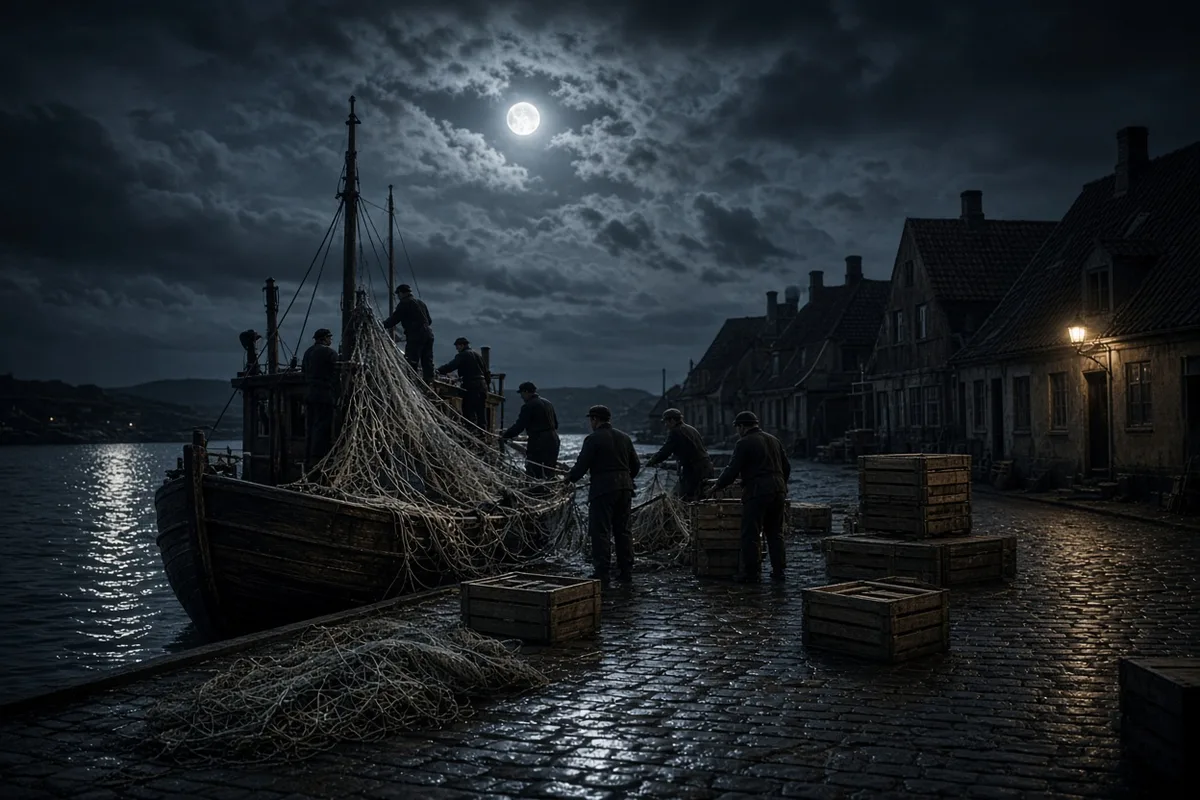
The plaque on the jetty at Snekkersten was replaced in 2003 after corrosion had eaten through two of the original stainless-steel screws. The new plaque, cast in bronze by a foundry in Copenhagen, added the name of Preben’s wife, who had sewn the extra blankets distributed on the Swedish shore. It measured seventy by fifty centimeters and carried an additional line recording the total of 7,220 Jews who reached Sweden from the entire Danish coast between 1 October and 19 October 1943, the figure supplied by the Swedish National Archives.
In April 2010 the last surviving member of the Gilleleje group, a woman named Ruth Levin who had crossed at age nine, visited the harbor with her granddaughter. She asked to see the place on the deck where the buckets had been kept and pointed to a faint stain still visible in the planking. Levin spoke for eight minutes, describing the exact weight of the child she had held during the crossing and the sound of the engine when it was restarted after the patrol passed. She left a copy of her Swedish identity card dated 12 October 1943 in the museum’s archive before returning to her home in Lund.
The boat itself was located in 2017 at a boatyard outside Limhamn, its original registration number still legible on the transom. The Swedish owner, a descendant of the policeman who had met the first passengers at the cove, agreed to return the vessel to Snekkersten on permanent loan. Restoration began the following spring under the supervision of the Maritime Museum at Helsingør; workers replaced the rotted frames with oak cut from the same stand of trees that had once sheltered the escapees on their way to the beach.
On the morning of 1 October 2023 the restored boat was towed into position at the original jetty for a commemoration organized by the Danish Resistance Museum. Bent Melchior’s grandson, now seventy-one, placed his hand on the rail at the same spot his grandfather had touched in 1983. A single passenger from the final crossing, a man named Samuel Cohen who had been twelve in 1943, stood beside him and recited the number of minutes the engine had run on the last trip: forty-three. Cohen remained on the pier after the others had left, watching the tide lift the hull until the mooring lines grew taut.