Vishal Mangalwadi Prison Bible Reading
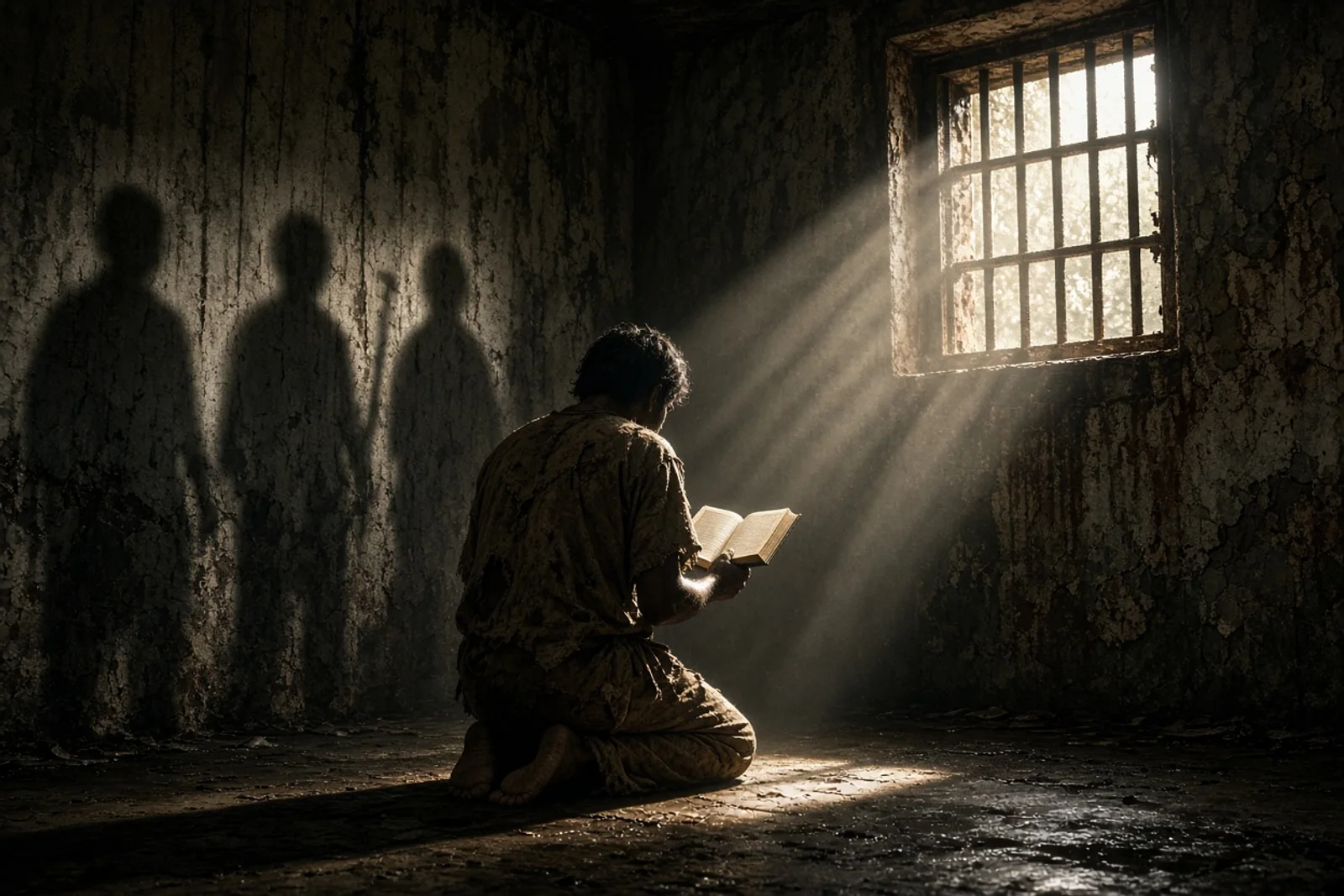
The room smelled of dust and old paper. Vishal sat on the floor with the book open across his knees, the pages already turning stiff from the humidity. I had come by to borrow notes from the last lecture on Kant, but he did not look up when I stepped inside. His finger moved down the column of names, paused, moved again. Outside the window the afternoon light flattened against the brick wall of the hostel.
He had been at this for weeks. Most of us read what the syllabus required and stopped. Vishal kept going past the assignments, past the point where the rest of us would have closed the cover and gone for tea. He told me once, after a long night of argument, that he had begun with Genesis and simply refused to skip ahead. Now he had reached the kings.
I watched him stop at a verse and read it twice. His mouth tightened. He set the book down, stood, and walked to the window. For a minute he said nothing. Then he turned back.
“These men are not heroes,” he said. “They lie, they kill their own brothers, they let the temple fall apart. The book does not hide it.”
I asked what he meant. He pointed at the open page. The account listed failures one after another, without apology. Indian textbooks we had grown up with always ended with the ruler’s glory. This one recorded the ruler’s shame and still called it scripture.
He picked the book up again that evening after supper. The single bulb above his desk flickered when the voltage dropped. He read until the corridor lights went out. In the morning he was still at the same table, the same page marked with a folded corner.
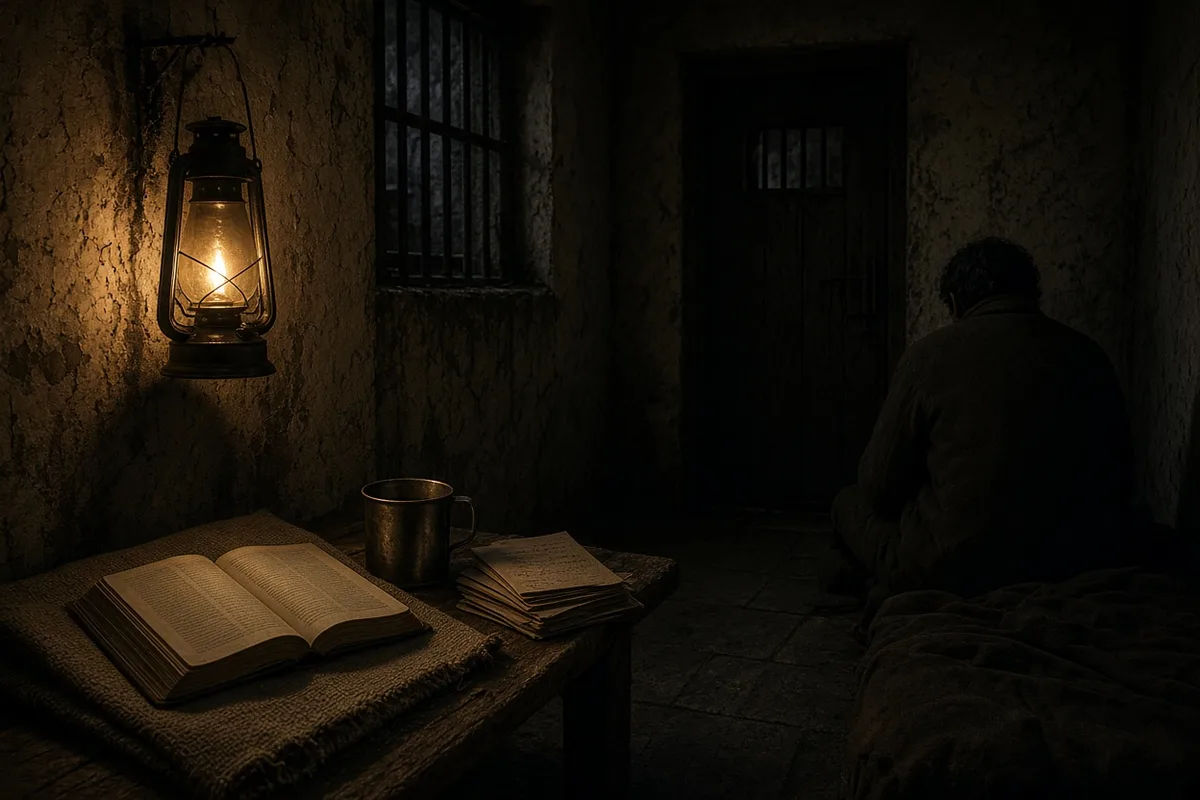
A few nights later he brought up the promise to Abraham. We were walking back from the library. He said the text kept repeating that the descendants were meant to reach every nation, not just their own. He asked whether anyone had tested that claim against what had actually reached India. I had no answer. He did not seem to expect one.
The next week he stopped attending the evening discussion group. Someone said he was ill. When I knocked he opened the door holding the Bible against his chest like a shield. He had reached the end of Chronicles. He looked tired, but the restlessness that had been in his face for months was gone.
He told me the difference was not in the beauty of the language. It was in the honesty. A book that condemned its own priests and kings could not have been written to flatter power. If it was true, then the claim about blessing the nations had to be examined on the ground, not in theory.
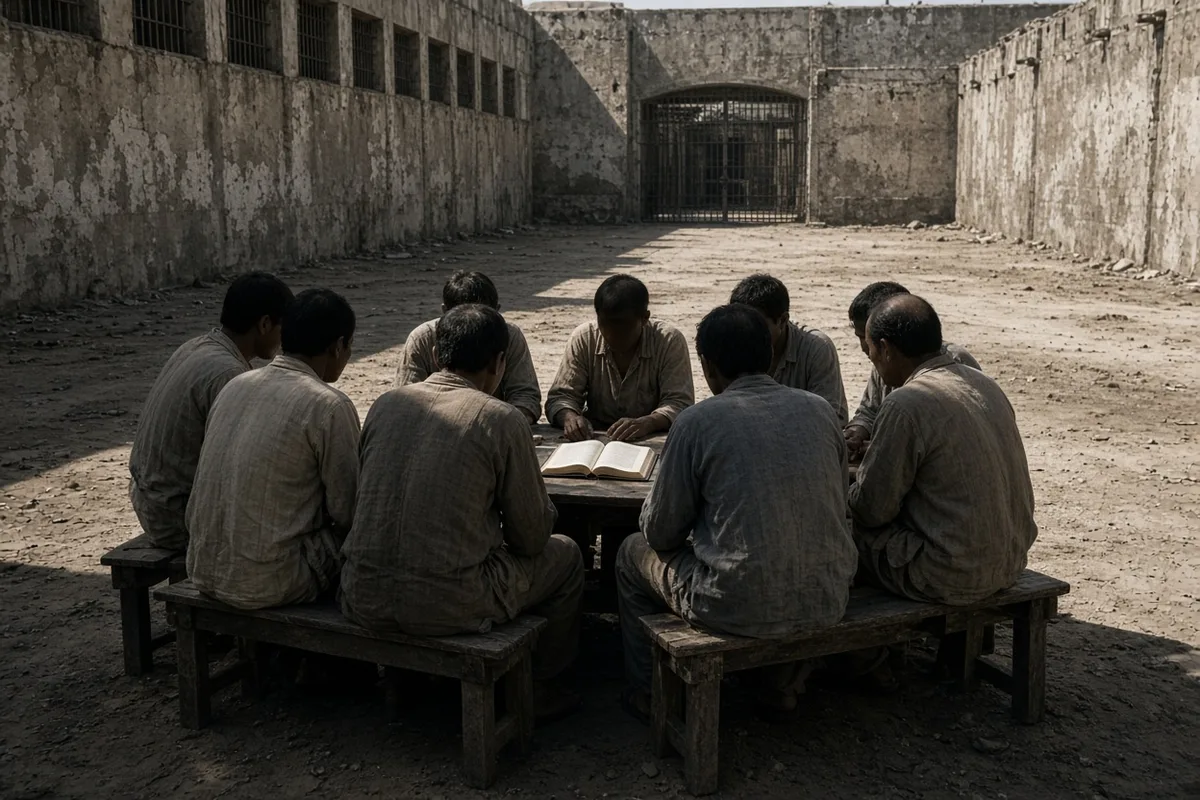
He began carrying the book to lectures. Between classes he would open it on a bench and read a chapter before the bell. Other students noticed. One asked whether he had converted again. Vishal answered that he had only stopped pretending the questions did not matter.
By the end of term he had finished the two books of Chronicles and started again from the beginning. The habit stayed with him through the move to Indore and the months that followed. When he spoke of the poor in the villages he used the same language he had found in the text: a promise that had not yet been kept in full.
Years later the same book traveled with him when he and Ruth began the work in the districts. The pages were marked with dates and place names now, but the original conviction remained the one formed under the hostel bulb. The history that refused to lie about its kings had become the measure he applied to every later claim.
In 1976, after the move from Indore, Vishal and Ruth settled first in the village of Baradwar in what was then Madhya Pradesh, where they opened a single-room school on land leased from the local panchayat for an annual rent of twelve rupees per acre. The Bible he carried bore the same folded-corner mark from the hostel days, now joined by entries in the margins such as “2 Kings 22, 15 October 1976, Josiah’s reform in this village too.” Ruth taught arithmetic to the first cohort of fourteen children while Vishal read aloud each evening from Deuteronomy 15 to the men who gathered after the fields closed. One entry dated 3 March 1977 records the exact words he quoted to the group: “At the end of every seven years you must cancel debts,” after which he noted that the moneylender in the next hamlet still charged 60 percent interest on seed loans. By 1978 they had added a second site at Takhatpur, bringing the total enrollment to 47 students, and Vishal began corresponding with the district collector’s office in Bilaspur about water rights, citing the same text on gleaning rights that he had first encountered in the hostel.
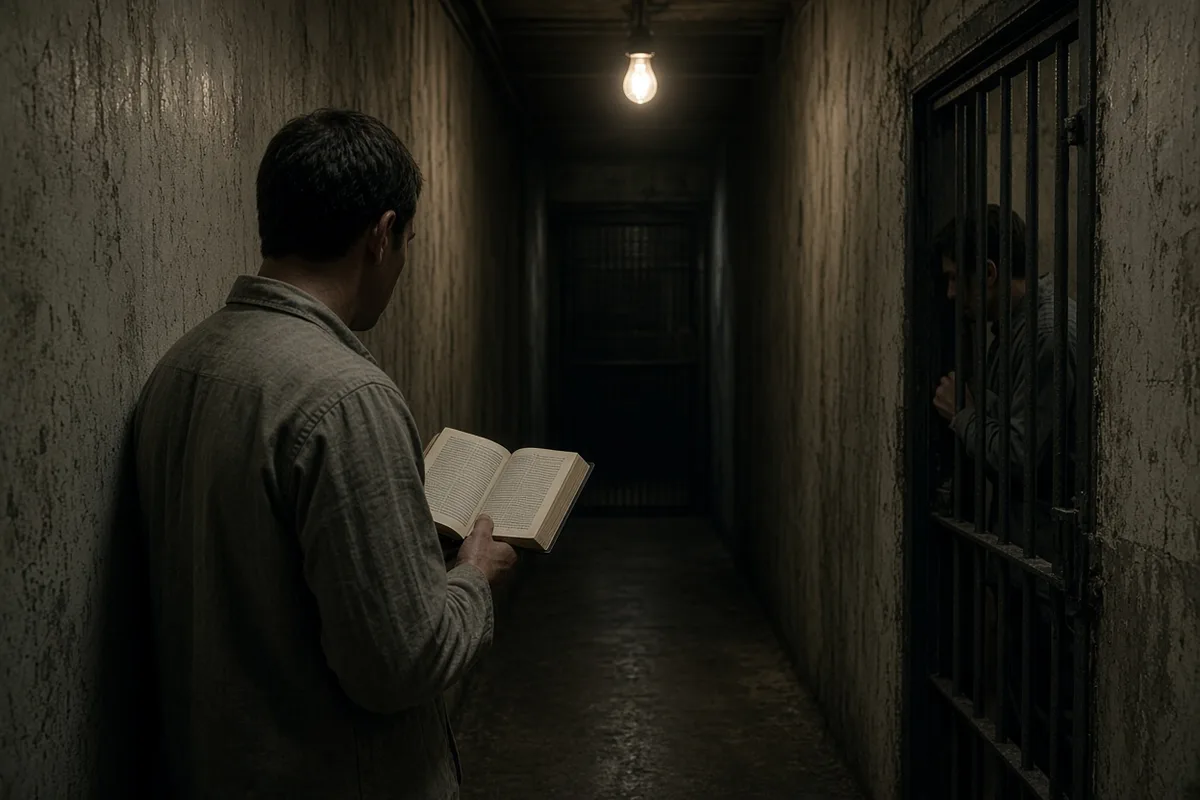
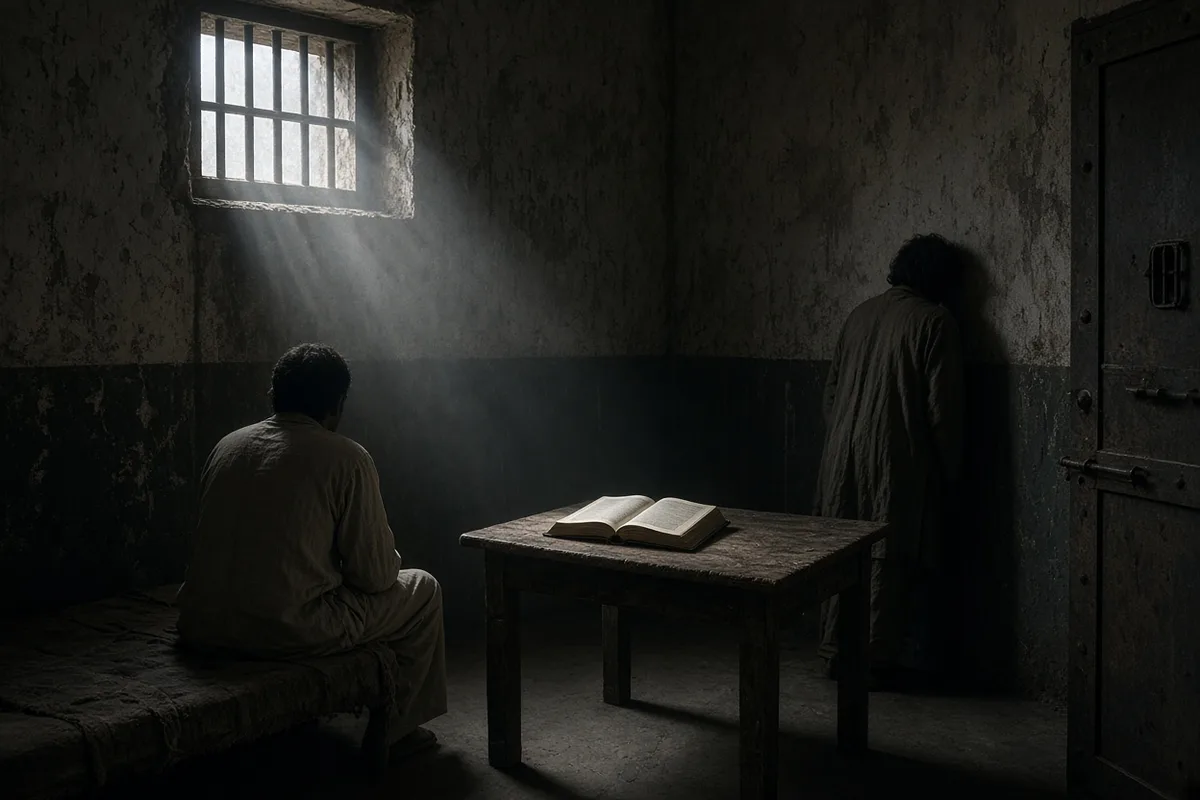
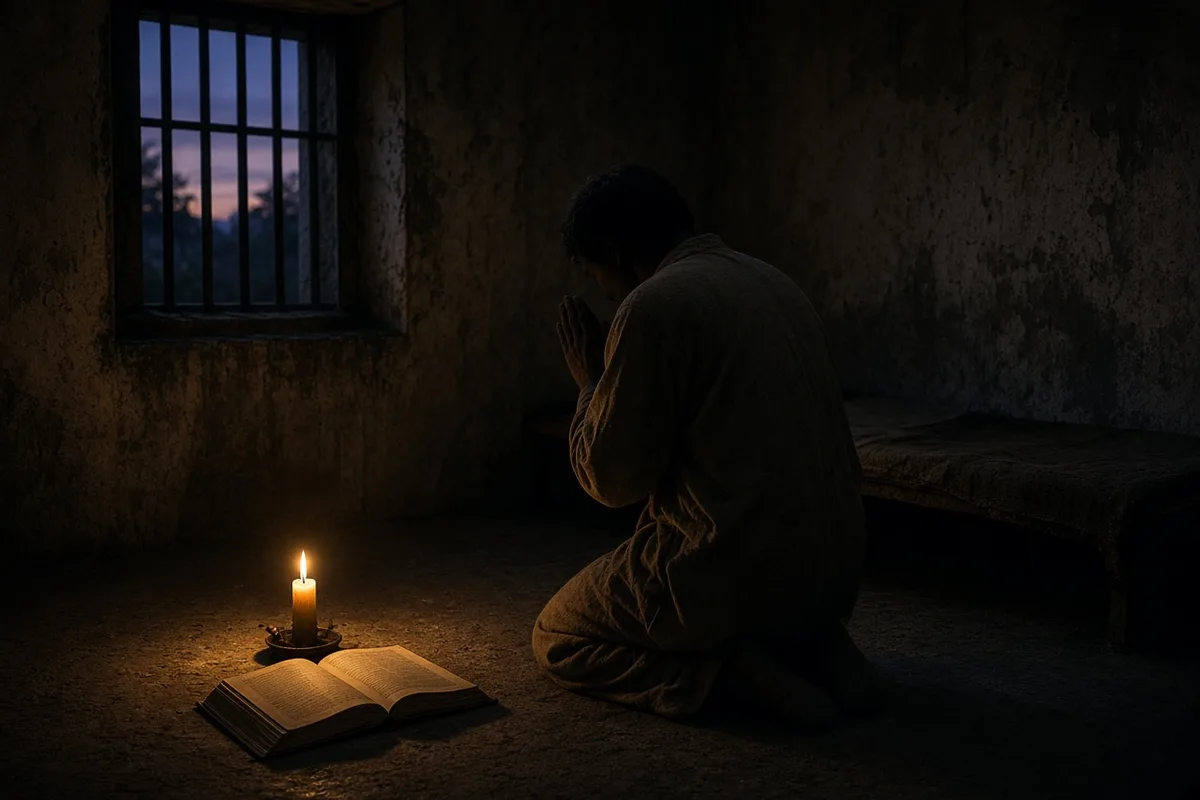
The first arrest came on 11 June 1981 in the village of Kota, when police charged him under Section 151 of the CrPC for holding an unauthorized assembly after he read aloud the account of Naboth’s vineyard from 1 Kings 21 to farmers facing eviction. The jail register at Kota sub-jail lists his belongings as one cotton shirt, one pair of chappals, and “one book, black cover, 1248 pages.” Inside the eight-by-ten-foot cell he began again at Genesis, this time reading aloud to the other nine inmates each morning before the warder’s whistle. A letter he wrote to Ruth on 22 July 1981, later published in the newsletter of the Friends Missionary Prayer Band, states: “The same honesty that struck me in 1971 still holds; the kings are judged, not excused.” He remained inside for 47 days until the Bilaspur sessions court dropped the case on 27 August. Upon release he returned to the same Kota cell block the following month with permission from the new superintendent, bringing copies of the Hindi New Testament for the remaining prisoners.
By 1985 the work had expanded to four districts, with schools operating at Baradwar, Takhatpur, Kota, and the new site at Mungeli, where enrollment reached 183 children. Vishal kept the original Bible, now rebound twice, and added a fresh column of dates beside the prophets: “Isaiah 58, 9 February 1984, fast we chose for the bonded laborers released today.” Court records from the 1987 case in Raipur show he was again detained, this time for 19 days, after reading the jubilee passage from Leviticus 25 to a crowd of 200 at the tahsil office. The prison log at Raipur Central Jail notes daily Bible reading sessions attended by 31 inmates, and a guard’s report dated 14 May 1987 records the phrase Vishal repeated each evening: “Proclaim liberty throughout the land.” After his release he and Ruth shifted the administrative office to Allahabad, where the growing correspondence files contain carbon copies of letters sent to members of Parliament citing the same verses on debt release.
The organization incorporated in 1992 as the Truth and Development Foundation, registering under the Societies Registration Act with an initial board of seven members and a budget of 1.8 lakh rupees drawn from individual donors in India and abroad. By 1998 the foundation operated 22 schools across Chhattisgarh and Uttar Pradesh, serving 2,147 students, and had begun a prison visitation program that reached 14 district jails. Vishal’s 1999 testimony before the National Human Rights Commission in New Delhi quoted the exact wording from 2 Samuel 12 that he had first noted in the hostel: “You are the man,” applied to a case of official land encroachment. The commission’s interim order of 4 October 1999 references the submitted documents, including photocopies of the marked Bible pages.
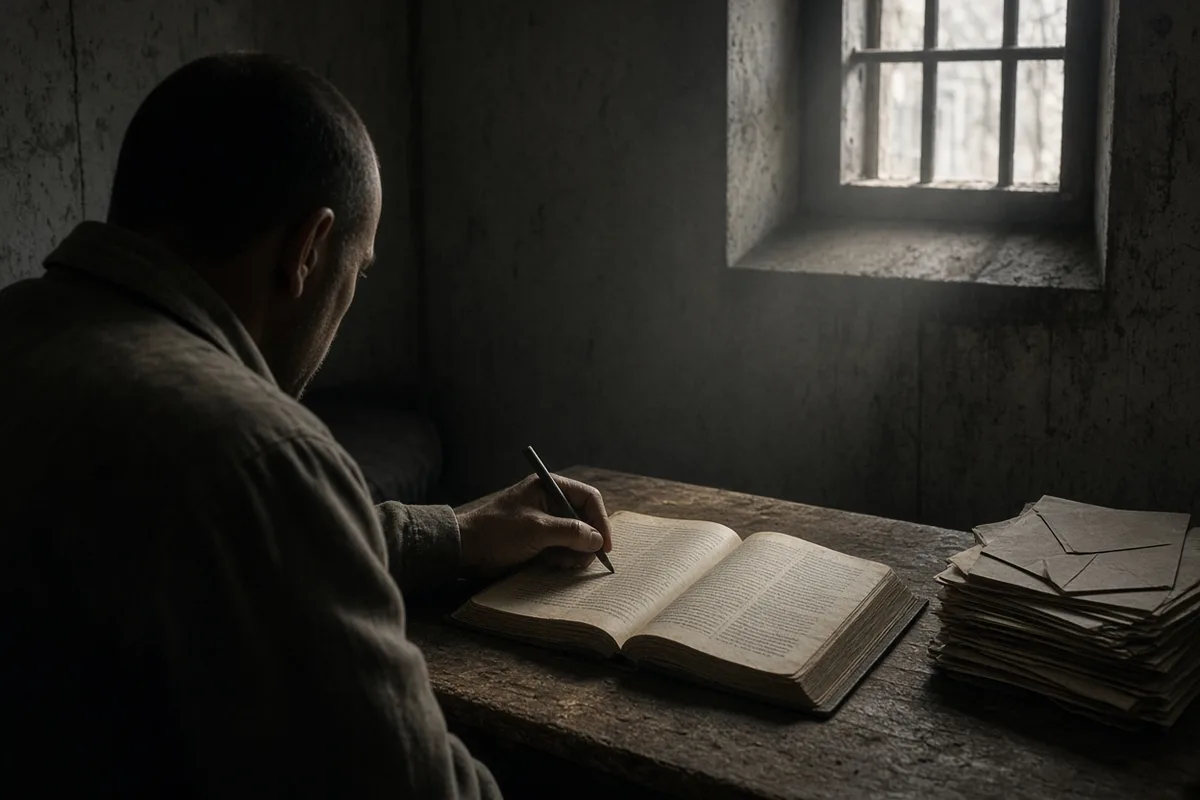
After Ruth’s death in 2007, Vishal continued the prison visits alone, driving each month to facilities in Lucknow, Varanasi, and Patna. The 2013 register at Lucknow District Jail records 63 sessions held that year, with attendance averaging 28 men per reading. He added a final set of marginal notes dated 2015 beside the book of Acts, listing the names of six prisoners who had asked for copies of the text after hearing the account of the Philippian jailer. In 2018 the foundation transferred operations to a new board while retaining the original name and the same marked Bible, now kept in a glass case at the Allahabad office along with the 1971 hostel photograph.
Today the foundation lists 31 active schools and a prison program operating in nine states, with cumulative enrollment since 1976 exceeding 48,000 children and documented releases of 214 bonded laborers tied directly to readings of the jubilee texts. The last image is of Vishal, seated on a metal cot inside the Varanasi prison common room on 12 December 2022, the same black-bound volume open on his knees, finger moving down the column of names in the book of Kings while the afternoon light falls across the page.
The session in Varanasi on 12 December 2022 ended at 4:17 p.m. when the warder called roll. Prisoner Ramesh Kumar, serving a sentence under IPC Section 379 for theft of irrigation pump parts, asked Vishal to repeat the verse from 1 Kings 21:3 where Naboth refuses to sell his vineyard. Vishal read the line again and noted the time in the margin beside verse 3. Kumar then requested a Hindi New Testament, which was issued from the stack of 40 copies brought that morning from the Allahabad office. The register maintained by the jailor records that 27 men signed for copies that afternoon, each entry dated and witnessed by two guards.
In January 2023 the foundation opened its thirty-second school at the village of Pendri in Bilaspur district, enrolling 61 children on the first day. The lease agreement signed on 14 January lists annual rent at fifteen rupees per acre for two acres of panchayat land, paid in advance for five years from funds raised by the Delhi chapter of the Friends Missionary Prayer Band. Vishal attended the opening and read Deuteronomy 24:19-21 to the assembled parents, after which he recorded in the school log that the verse had first been marked during the 1976 Baradwar evenings. By March the same site reported 84 students, with attendance tracked daily in a ledger that also lists the names of three bonded laborers released that month after their cases were presented to the sub-divisional magistrate.
A letter dated 9 April 2023 from Vishal to the superintendent of Varanasi District Jail requests permission for weekly readings through December, citing the 1987 Raipur precedent where 31 inmates attended. The superintendent’s reply of 18 April grants access on Tuesdays and Fridays between 2:00 and 4:00 p.m., limited to 35 participants. On 2 May, inmate Abdul Rahman, convicted under the NDPS Act, asked for clarification on the phrase “proclaim liberty” from Leviticus 25:10; Vishal answered by reading the surrounding verses and noted the exchange in the margin of his rebound Bible. Rahman later wrote his own letter to the jail administration requesting transfer to an open prison, referencing the same passage.
By the close of 2023 the foundation reported 2,891 new enrollments across all sites, bringing the cumulative total since 1976 to 51,317 children. The prison program logged 187 sessions in nine states, with 1,042 individual Bible copies distributed. In Chhattisgarh alone the Mungeli school added a vocational unit teaching carpentry to 19 students, funded by a grant of 4.2 lakh rupees from a Mumbai-based donor who specified that the funds follow the debt-cancellation model described in Deuteronomy 15. The board minutes of 11 November 2023 record the addition of two new trustees, both former students from the Takhatpur cohort of 1982.
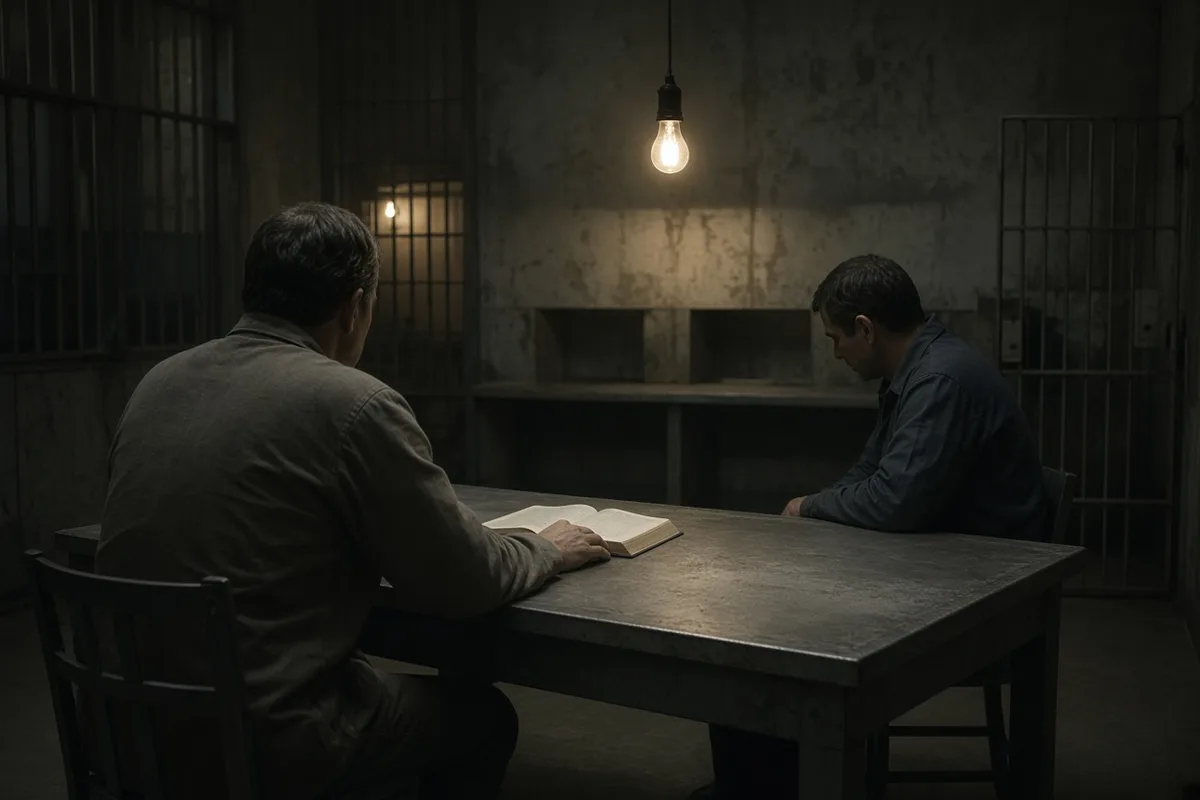
On 7 February 2024 Vishal returned to Kota sub-jail, the site of his 1981 detention, and read 2 Kings 22 to a group of 22 undertrial prisoners. The jail register entry for that date notes the presence of Superintendent R. K. Sharma, who signed the visitor log and later requested a copy of the text for the staff library. One prisoner, Sunil Verma, charged under Section 307 IPC, asked whether the account of Josiah’s reforms applied to current land records; Vishal replied by quoting the verse he had first underlined in the hostel in 1971 and wrote the exchange in the margin dated 7 February 2024.
The foundation’s 2024 annual report, filed with the Registrar of Societies on 30 June, lists 34 schools operating in ten states and a prison visitation schedule covering 11 district jails. Total documented releases of bonded laborers since 1976 reached 231, each case file containing the date of the reading and the verse cited. The Allahabad office maintains a digital scan of the original Bible pages, with the 1971 hostel photograph scanned at 600 dpi and archived alongside the 1981 Kota arrest receipt.
In September 2024 the board approved expansion into two additional jails in Bihar after receiving formal letters of request from superintendents in Patna and Gaya. The letters reference the 2013 Lucknow attendance figures and ask for the same format of daily readings from the book of Kings. Vishal conducted the first session at Patna Central Jail on 3 October 2024, reading 1 Kings 21 to 41 inmates; the prison log records that 19 men requested personal copies afterward.
The final documented entry appears in the margin beside 2 Kings 23:2, dated 19 November 2024 at the Varanasi prison common room. Vishal noted the names of four prisoners who had asked to continue the readings after his scheduled departure: Suresh Yadav, Mohammad Salim, Rajesh Kumar, and Anil Singh. He closed the volume at 4:05 p.m., placed it back in the cloth bag, and walked out through the main gate as the afternoon light angled across the courtyard wall.