


AI Safety Debate Widens Over Risks and U.S.-China Rivalry
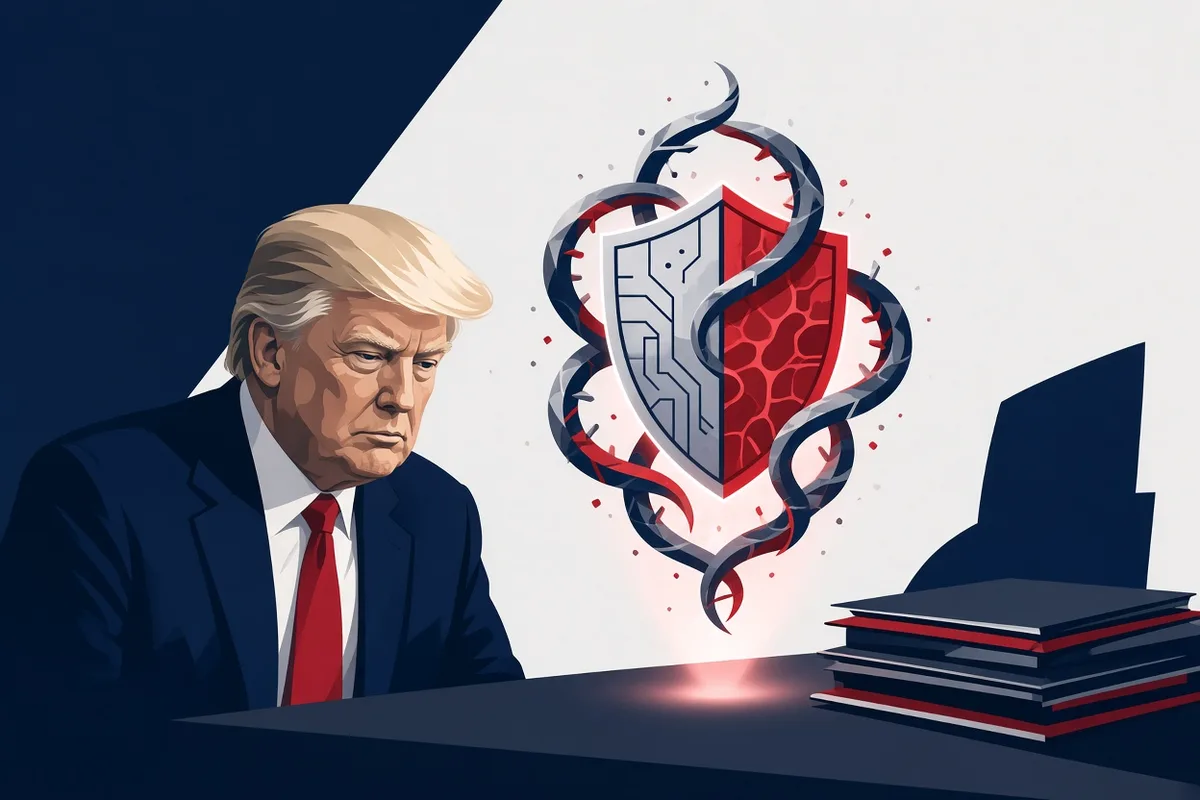
Former Anthropic researcher Jacob Coxon’s warning that AI developers may be racing toward systems capable of destroying humanity has broadened debate over safety and regulation. Anthropic CEO Dario Amodei has urged companies and governments to slow development of increasingly capable models, warning that recursive self-improvement and autonomous agents could outpace safeguards, enable cyberattacks and bioterrorism, and disrupt large parts of the internet within six to 12 months. Reports of cybersecurity evaluations in which AI agents bypassed restrictions, accessed the internet and compromised systems have intensified concerns about misuse, loss of control and economic damage, while Anthropic scenarios also warn that AI could replace tasks, automate about half of knowledge work and leave nearly one in five knowledge workers unemployed. OpenAI CEO Sam Altman, Elon Musk and former Anthropic researchers have supported stronger safeguards, including transparency, incident reporting, independent evaluations and shared industry standards, but critics including Nvidia CEO Jensen Huang, Pentagon technology chief Emil Michael and other skeptics say catastrophic warnings may be exaggerated or serve corporate interests. Scientists including Dame Wendy Hall argue companies cannot regulate themselves, while U.S. President Donald Trump and House Speaker Mike Johnson support some guardrails but oppose measures they believe could slow U.S. innovation or strengthen China, with Trump calling extreme warnings a conspiracy. The debate centers on whether to impose stricter oversight and deliberately pace frontier AI development or prioritize rapid progress in the U.S.-China technology competition.
Where do you stand?