Hacked Ukraine Air Alert App Sends False Nuclear Warnings
60 sourcesUpdated Nov 2, 20261 min read
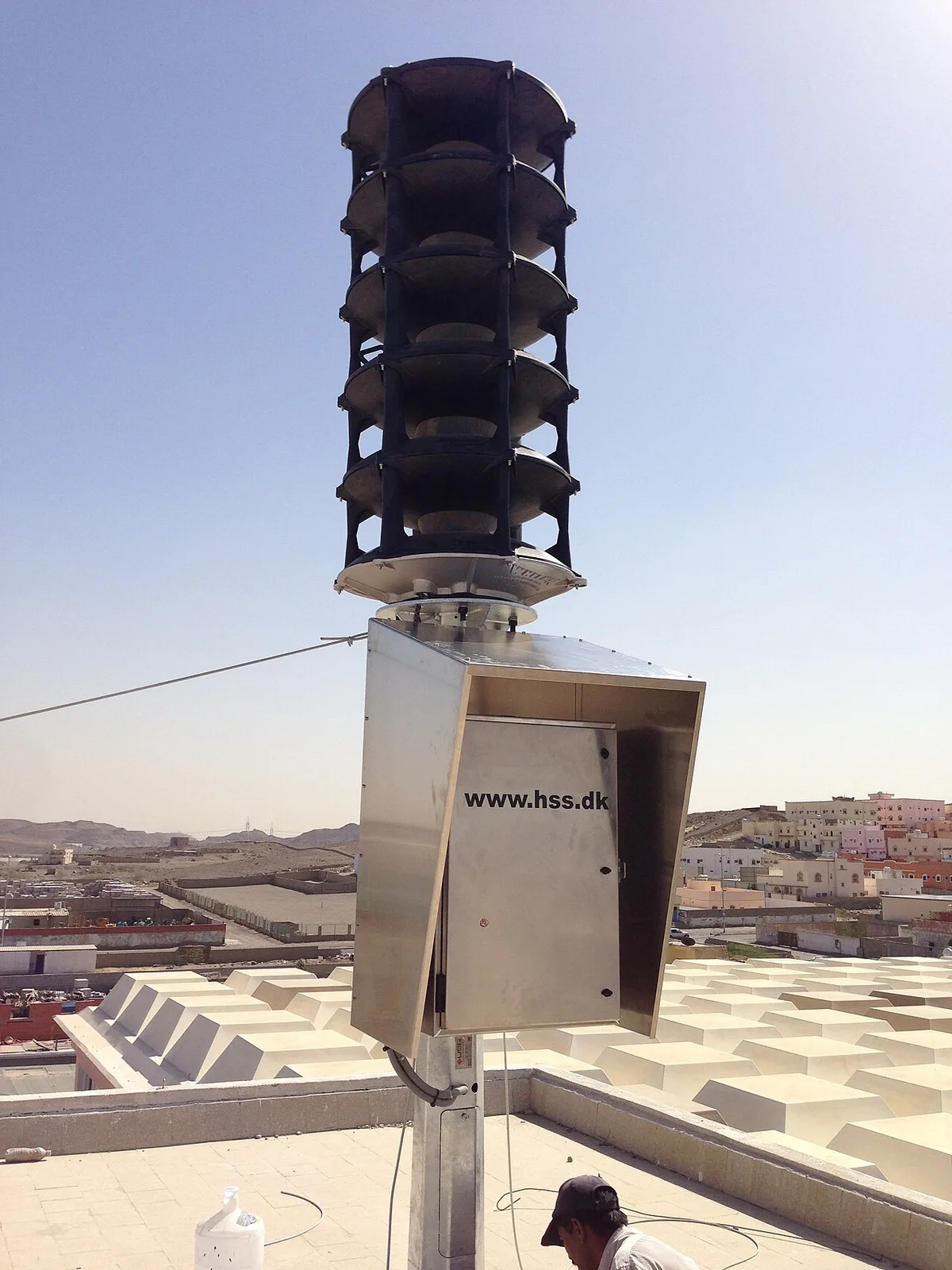
On the night of Nov. 1, 2026, Ukraine's Air Alert app—made by the Ministry of Digital Transformation and Ajax Systems—sent sequential false warnings. Phones showed a radiation threat in Kyiv, a nuclear alert referencing the Oreshnik missile, a chemical attack threat on Kyiv, and street fighting in the capital. BBC placed the messages at 22:47–22:49 Kyiv time. The Ukrainian Air Force said the app appeared enemy-compromised, stated there was no radiation threat, and told people to stay calm and follow its Telegram channel. Zabolotna and Onyshchuk reported a cyberattack on the app; Zabolotna warned against links in the messages. Ukraine's Central Intelligence Agency called it an app failure and urged other sources. Authorities said the false notices were cleared in about an hour. Ukrainian social media answered with saber and street-fighting jokes. CONTESTED Trey Yingst and ground reports said loudspeakers or sirens blared radiation and related warnings in Kyiv, Zakarpattia Oblast and Lviv region; the digital ministry said the app was out of operation while sirens and other means still functioned. Wire accounts differed on where sirens sounded. Claims of data theft or iPhone blocking stayed unverified. No official source named who carried out the breach.
How it spread
What each side asserts, disputes — or leaves out entirely.
Whose framing of this story rings truest to you?
Left· 15 sources
“What we know about the false nuclear warning in Ukraine following alert system hack”Center· 2 sources
“Moscow and Kiev Targets of Mutual Cyberattacks Against Systems of Alert to the Population Economic Journal”Right· 5 sources
Hackers referencing Oreshnik in false warnings shows they are deliberately trying to exploit existing fears in the population.
This kind of hack on the air alert app risks causing mass panic when people already check it constantly during attacks.