



Eisenkot Begins Effort to Form Israeli Government
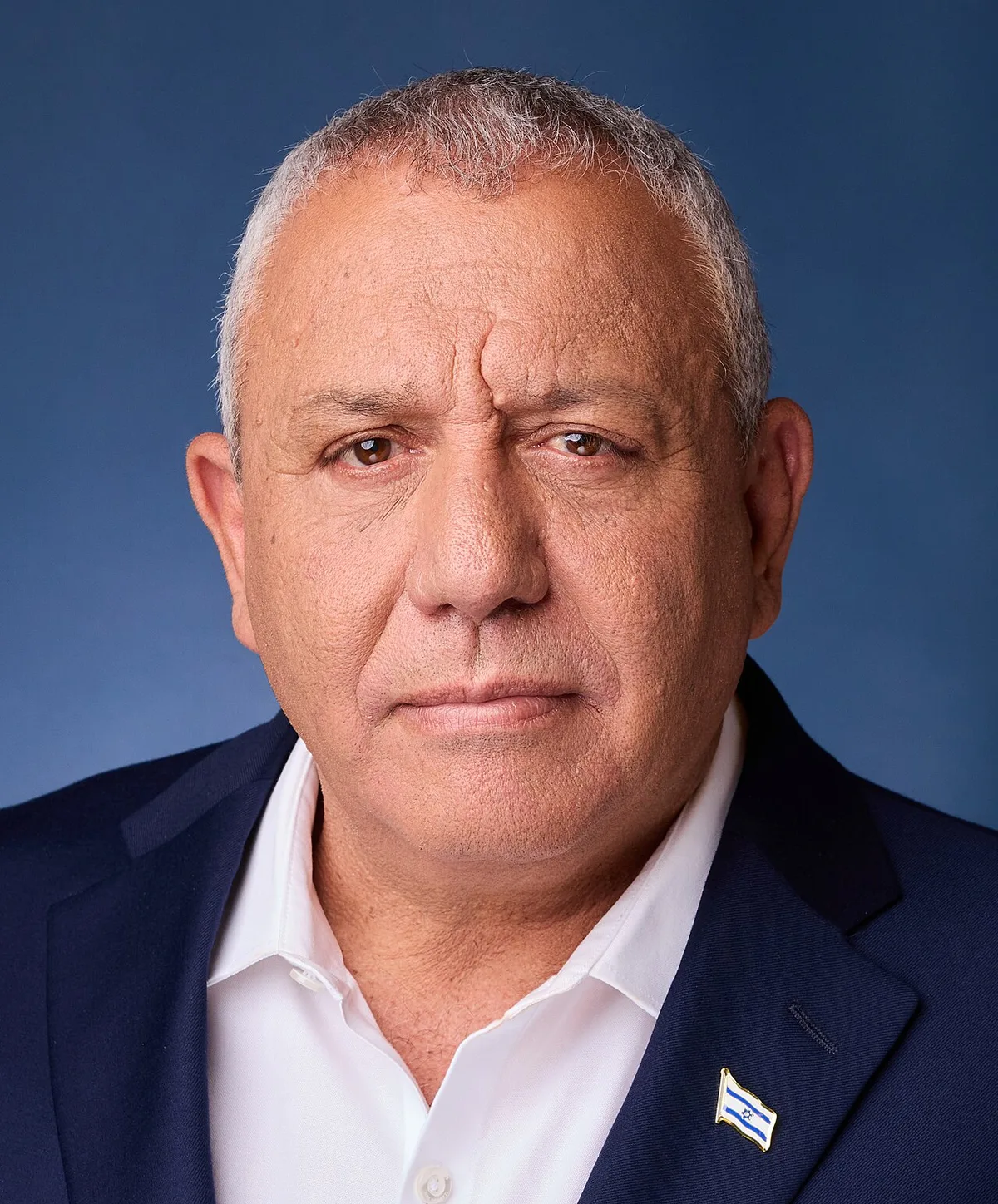
After Israel’s October 27 election left no bloc with the 61 seats needed for a majority, President Isaac Herzog tasked opposition leader Gadi Eisenkot with forming a government, and the newly elected Knesset convened as coalition talks began. Eisenkot has 28 days, with a possible 14-day extension, to secure a majority; although 67 lawmakers recommended him, the four Jewish-led opposition parties backing him hold 48 seats, compared with 53 for Benjamin Netanyahu’s bloc, while Arab-led parties hold 19 seats and have endorsed Eisenkot. Eisenkot has called for a national emergency government, but disagreements over Arab-party support, ultra-Orthodox factions and a broader unity arrangement leave negotiations uncertain and another election possible. Netanyahu called for a national unity government, warned of international pressure over Iran’s nuclear program and criticized reliance on Arab parties; Eisenkot called his remarks divisive and said Netanyahu was unfit to remain in office. Eisenkot’s bloc is advancing proposals for an inquiry into failures surrounding the October 7, 2023, Hamas attack, prime-ministerial term limits and reversal of Netanyahu’s judicial changes, while seeking greater parliamentary control; Netanyahu will remain caretaker prime minister, and efforts to replace the Knesset speaker could shape the legislative agenda. Netanyahu and his allies alleged election fraud and foreign interference, but officials found no irregularities affecting the result, the attorney general rejected requests to question politicians for lack of evidence, and a Shin Bet inquiry into suspected foreign funding remains open; a judge said its potential impact was limited, as weakening bipartisan U.S. support over Israel’s wars in Gaza and Iran and President Donald Trump’s suggestion he could end military aid add to the political pressure.
Where do you stand?